
Introduction:
AI automation is booming in 2025, but so is the confusion around pricing.
Every agency claims to “save you 100+ hours” or “cut costs by 70%,” but no one tells you what you’re actually paying for, how pricing works, or what businesses should realistically expect.
Look, the pricing conversation around AI automation is a mess right now.
Every agency has a different answer, and if you've spent any time researching what these services actually cost, you've probably found yourself more confused than when you started.
I get it because I've been there myself.
I've been on both sides of this equation. I've built pricing models for automation projects, and I've also been the person trying to figure out what's reasonable to pay.
What I realized is that understanding AI automation services pricing has nothing to do with finding a perfect price point.
It's really about knowing what actually costs money, which pricing setups make sense for your situation, and how to avoid locking yourself into something that won't work six months down the road.
So let me break down what's actually happening with pricing right now in 2025.
Here’s exactly what we’re covering today:
- How AI automation pricing actually works in 2025
- What you’re paying for (real breakdown)
- 9 Pricing components you must understand before hiring any agency
- Transparent pricing ranges are used in the industry
- Links to popular automation agencies + creators for reference
- Common FAQs on budgeting, tools, maintenance, and more
Let’s get into it.
1. How AI Automation Pricing Actually Works in 2025
Will AI cost a lot in 2025?
While industry leaders predict AI costs will drop "10x annually," the reality for businesses in 2025 tells a different story.
AI implementation costs have actually increased by 89% between 2023 and 2025, according to recent enterprise surveys.
This dramatic cost escalation has forced 100% of surveyed CEOs to cancel or delay at least one AI initiative.
Here's a comprehensive breakdown of how AI automation costs are structured in the modern market:
Core Pricing Models

AI automation typically uses hybrid approaches combining multiple structures rather than single fixed rates.
The main models include:
1. Subscription-Based Pricing Most cloud-hosted AI platforms operate on monthly subscriptions, typically anywhere from $5,000 to $50,000, depending on the scale of usage.
For smaller businesses, entry-level automation bundles, like basic email workflows or simple chatbots, usually fall in the $99–$500 per month range.
On the other hand, advanced enterprise suites that include predictive modelling, multi-channel automation, and deeper customization can cost $1,000–$5,000+ monthly.
2. Project-Based Pricing If companies prefer one-time or milestone-based projects, the pricing generally sits around $5,000 to $50,000, influenced heavily by how complex the workflow is and how deeply it needs to integrate with existing systems.
Highly tailored or enterprise-grade AI deployments often begin at $50,000, and in some cases can go beyond $500,000, especially when building custom models or designing multi-department systems.
3. Hourly Pricing Models AI specialists and automation agencies usually charge between $25 and $250 per hour in 2025.
For lightweight workflows or basic implementations, the lower end ($25–$50/hr) is common, while intricate builds that demand high accuracy or domain expertise naturally sit on the higher end.
4. Retainer-Based Engagements Retainers remain a popular model for businesses seeking continuous support. Monthly retainers normally range from $2,000 to $20,000+, with the average hovering around $3,200 per month in 2025.
Ongoing AI monitoring and optimization, depending on the workload, can cost an additional $100 to $5,000 per month.
Major Factors That Influence AI Automation Costs
• Complexity & Scope Workflows that manage multi-layer processes, like CRM automations, predictive forecasting, or full-cycle content generation, demand more elaborate architecture than simple, repetitive task automations.
• Data Preparation Preparing and cleaning data is often one of the costliest parts of the process. Depending on the volume and quality of data, expenses can range from $10,000 to $90,000.
• Industry Requirements Costs vary drastically across sectors.
- Healthcare solutions usually fall between $20,000–$50,000
- Fintech automations may escalate to $50,000–$150,000, mainly due to compliance, accuracy demands, and security standards.
• Infrastructure Setup Some projects require investments in dedicated hardware or premium software. High-performance servers alone can exceed $10,000, with additional tools pushing the upfront investment even higher.
AI automation integration for mid-sized companies usually begins around $50,000 and can climb to $300,000 plus, with more complex deployments reaching $100,000 to $500,000. But the initial setup is not the only expense businesses should consider.
• One-time integration work is commonly charged at $25 to $49 per hour, depending on the expertise needed. • AI budgets are expected to rise by nearly 36 percent by 2025, as more companies shift core operations to automated systems. • Additional ongoing costs include routine maintenance, compliance checks, updates, system training, and continuous workflow refinement.
ROI and Real Business Value
Companies that implement AI automation consistently see: • a 20 to 30 percent reduction in operational expenses, and • more than a 40 percent boost in efficiency.
In 2025, pricing is no longer dictated by simple software licensing. Instead, the value businesses extract cost savings, speed, accuracy, conversions, and performance heavily influences what they pay.
The industry is clearly moving toward outcome-based and performance-linked pricing models, where the cost aligns with measurable business results rather than fixed tools or seats.
Case Study: E-commerce Brand (Mid-Sized Shopify Store)
A growing Shopify brand automated several key workflows, including: • abandoned cart follow-ups • WhatsApp order notifications • daily revenue and stock scraping • competitor pricing checks • CRM synchronization
Total Cost: ₹60,000 Time Saved: 22 hours per week ROI: The brand recovered its entire investment in just three weeks.
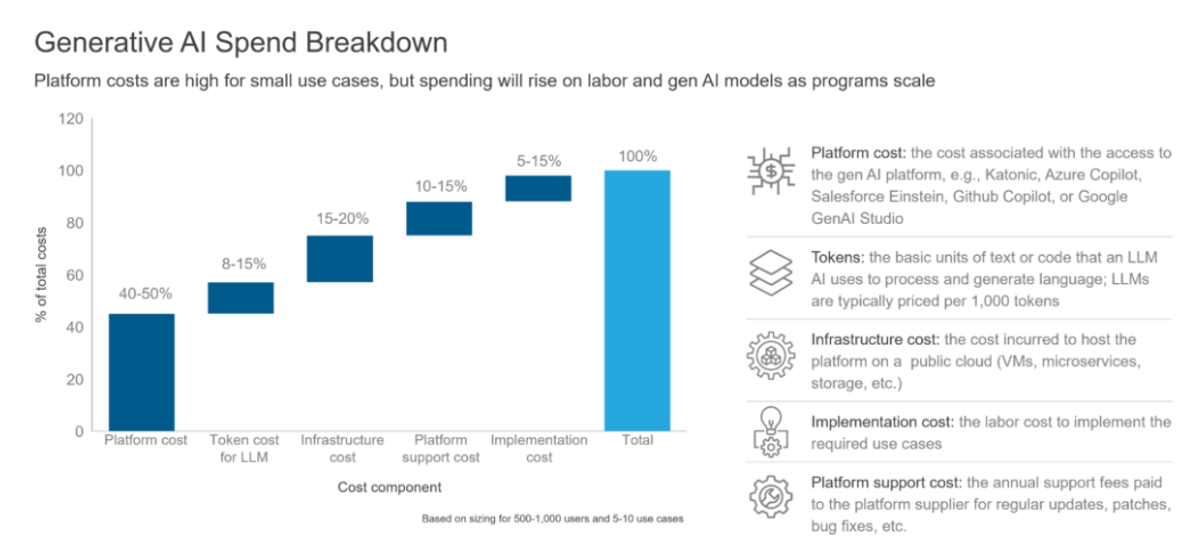
2. What You're Actually Paying For: The Real AI Automation Breakdown
Let me break this down like you're chatting with a friend over coffee.
Think of AI automation costs like buying and maintaining a car.
There's the sticker price, but then there's gas, insurance, repairs, and upgrades.
Let's look at what's really under the hood.
The Foundation: What Your Money Actually Buys
1. The Brain Power (Computing & Infrastructure)
Imagine AI as a really smart assistant who can do incredible things, but only when it has a powerful system running behind it to handle all that thinking.
You need high-speed hardware and specialized software, with servers alone costing north of $10,000..
Think of it like this:
- Cloud-based = Renting an apartment (pay monthly, no maintenance hassle)
- On-premises = Buying a house (expensive upfront, but you own it)
Many small businesses use AI for under $100/month because they rent computing power instead of buying servers. Smart, right?
2. The Raw Material (Your Data)
Here's something most people don't realize: Data preparation alone can cost $10,000–$90,000.
Why?
AI works a lot like a chef. If you give a chef bad ingredients, you will end up with a bad meal.The same goes for AI, if the data is messy, the output will be messy too.
Your data needs to be: • Cleaned (removing mistakes and duplicates) • Organized (kept in a clear and consistent format) • Labeled (so the AI understands what each piece of information means)
It is basically like cleaning out a chaotic closet before shifting homes. Boring, time consuming, but absolutely essential.
3. The Experts (The Human Touch)
Senior AI engineers in North America usually earn $150,000 to $250,000 per year, and experienced data scientists make around $130,000 to $200,000.
They are expensive because they are rare. Hiring them is like bringing in a master chef instead of a regular cook. The expertise is completely different.
But here is the good part: You can reduce costs by outsourcing AI development to specialized agencies or by using AI as a Service platforms. You get top tier skill without hiring full time professionals.
4. Building the System (Development)
The time required to build an AI system depends on the complexity.
• Simple AI tools take around 3 to 4 months • Mid level systems need 5 to 8 months • Enterprise grade AI setups can take 8 to 12 months or more
Think of it like building different types of homes:
• A simple chatbot is like putting up a small shed ($5,000 to $50,000) • A mid level AI system feels like building a comfortable house ($50,000 to $200,000) • An enterprise solution is similar to constructing a full mansion ($200,000 to $500,000 plus)
The Hidden Stuff Nobody Tells You About
1. Integration Costs (Making Everything Work Together)
Once you move past the software fee, there are a bunch of hidden expenses that quietly stack up.
Infrastructure upgrades alone can add 30 to 50 percent on top of your original budget.
This includes extra data storage, more processing power, and adjusting older systems so they can work with the new AI setup.
It is basically like buying a new phone and then realizing you also need new chargers, cases, and accessories you never planned for.
2. Training and Setup
Your team needs to know how to actually use the new tools; otherwise, the investment goes to waste.
Many companies end up spending additional money on training programs and certifications to up skill their current employees.
Think of it like learning to drive a new car.
Someone still has to show you what every button does before you can take it out for a smooth ride.
3. Compliance & Security
Industries like healthcare necessitate regular maintenance and adherence to regulations, which inflates the cost due to necessary security and compliance measures, such as HIPAA or GDPR
It's like getting your restaurant health-inspected; you can't skip it, and it costs money.
The Ongoing Tab (What Keeps Running)
1. Maintenance & Updates
Ongoing AI management costs $100 – $5,000 per month on average in 2025.
Maintenance, updates, and system monitoring represent 15–25% of initial implementation costs annually.
Why? Because:
- AI models need retraining (the world changes, so must the AI)
- Systems need monitoring (catching problems before they break)
- Updates happen (like updating your phone's iOS)
AI systems degrade over time, necessitating continuous retraining, monitoring, and security updates to maintain performance DOT IT.
It's like a car; it needs oil changes and tune-ups to keep running smoothly.
2. Usage Fees
If you're using it for development through the OpenAI API, you're charged based on usage, measured in something called "tokens." Automaly.
Every time the AI "thinks," you pay a little bit.
Imagine a taxi meter; the more you use it, the more it costs.
What Actually Determines Your Final Price?
1. Complexity
Some AI setups are simple. Others feel like a complete maze.
Workflows that involve multiple steps, like CRM management, predictive forecasting, or full end to end content systems, naturally need deeper configurations.
But tools that handle only one small repetitive task are much easier and cheaper to build.
Think of it like this: • A simple task such as sorting emails is inexpensive • A complex task like predicting customer behavior costs much more
2. Scale
The size of your deployment matters a lot.
The more people using the system, the more computing power, storage, and support you need.
Ten users versus ten thousand usersThe cost difference is massive.
One feels like running a small apartment, the other feels like managing an entire hotel.
3. Your Industry
Different industries come with different rules, security levels, and complexity, which directly affect the final price.
• Healthcare solutions usually cost $20,000 to $50,000• Fintech solutions often reach $50,000 to $150,000 because of strict compliance and security requirements
Banking and healthcare tend to be more expensive due to regulations and privacy needs.
E-commerce is usually more affordable because it has fewer restrictions and more flexibility.
The Smart Way to Start (Without Breaking the Bank)
The trick is to start small.
Focus on one task, automate it well, and then expand from there.
Here's the game plan:
Pick ONE annoying task (like responding to common customer questions)
Use a cheap tool first (Small businesses can automate tasks for under $100/month)
Measure results (Did it save time? Money?)
Scale up if it works
If AI saves you even a few hours per week, or helps you avoid hiring someone, it can easily pay for itself.
3. The 9 Pricing Components That Directly Affect AI Automation Services Pricing
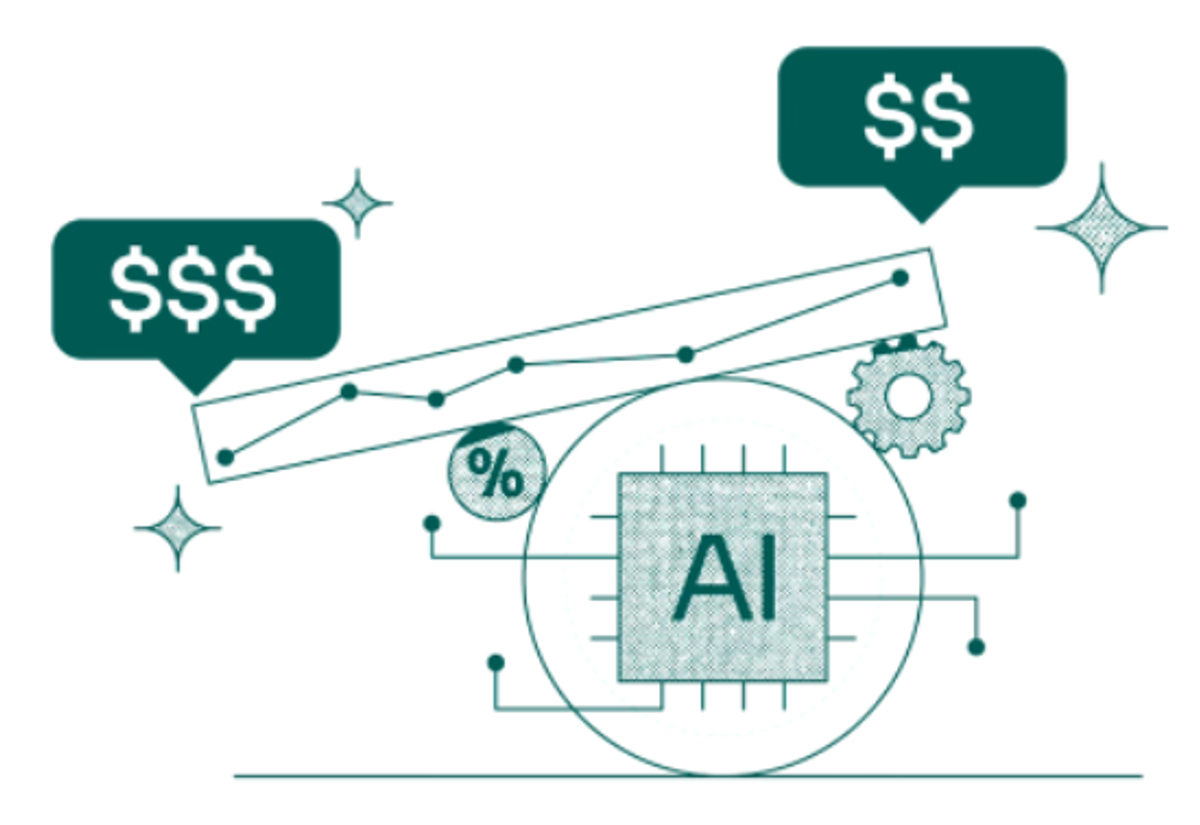
Let me straightforwardly explain this, like we're having a practical conversation about what really drives costs.
1. Project Scope & Complexity
This is the core factor behind every AI automation pricing model.
The first question is simple: Are you creating a basic chatbot or a full AI system that can predict customer behavior, manage inventory, and personalize marketing all at once?
AI services that handle many steps, such as CRM management, predictive forecasting, or complete end to end content generation, need far more detailed setup than tools that only perform one small repetitive task.
Real pricing impact:-
Basic automation
(email triggers, simple chatbots): $99 to $500 per month
Enterprise-level automation
(predictive analytics, cross-channel orchestration): $1,000 to $5,000 plus per month
Custom machine learning solutions
(advanced modeling, complex logic): $50,000 to $500,000 plus
Why this matters
The more your AI needs to think, analyze, and make decisions, the more it costs to build.
Simple tasks stay affordable.
Complex, decision-driven systems become expensive because they require more data work, more computation, and more engineering talent.
2. Team Structure: In-House vs. Outsourcing vs. Offshore
This is one of the biggest factors affecting AI automation services pricing in 2025.
In-House Team:
Building an internal AI team is the most expensive option upfront:
- Senior AI engineers: $150,000–$250,000/year
- Data scientists: $130,000–$200,000/year
- AI architects: $180,000 to $300,000 Future Processing
- AI project managers: $140,000 to $220,000 Future Processing
Total annual cost for a small in-house team: $500,000–$1,000,000+
When it makes sense:
- You need full-time AI capabilities
- You're building proprietary AI systems
- Data security is paramount
- Long-term strategic investment
Outsourcing (Domestic Agencies):
Working with local agencies or consultants in your country:
- North American rates: $100–$450/hour
- Project-based: $50,000–$500,000
- Monthly retainers: $5,000–$20,000+
When it makes sense:
- You need specialized expertise temporarily
- Want faster implementation without hiring
- Prefer same time zone communication
- Need compliance with local regulations
Offshore/Nearshore Development:
This is where AI automation services pricing India and other outsourcing destinations come in:
- Hourly rates: $25–$50/hour (compared to $150–$450 in North America)
- Project-based: $10,000–$100,000 for similar scope
- Cost savings: 50–70% compared to domestic teams
Popular offshore destinations for AI automation:
- India: $25–$50/hour
- Eastern Europe: $40–$80/hour
- Latin America: $35–$70/hour
- Southeast Asia: $20–$45/hour
When it makes sense:
- Budget constraints are significant
- The project timeline is flexible
- Tasks are well-defined and documented
- You have experience managing remote teams
Hybrid Models (The Smart Approach):
Many businesses in 2025 use a combination:
- In-house team for strategy and core systems
- Offshore team for development and implementation
- Domestic consultants for specialized expertise
This approach typically reduces costs by 40–60% while maintaining quality and control.
3. Team Experience & Expertise Level
Not all AI developers are created equal, and this dramatically impacts pricing strategies for AI automation services.
Junior/Entry-Level Teams:
- 0-2 years of AI experience
- Hourly rates: $25–$60
- Best for: Simple automations, template-based solutions
- Risk: May require more revisions, longer timelines
Mid-Level Teams:
- 3-5 years of AI experience
- Hourly rates: $60–$150
- Best for: Custom workflows, standard integrations
- Balance of cost and capability
Senior/Expert Teams:
- 5+ years of AI experience
- Hourly rates: $150–$450+
- Best for: Complex enterprise solutions, proprietary systems
- Premium pricing justified by faster delivery and fewer errors
Specialist vs. Generalist Pricing:
- AI generalists: Handle multiple tools and frameworks
- Specialists (NLP, computer vision, etc.): Command 20–40% premium
- Industry specialists (healthcare AI, fintech AI): Additional 15–30% premium
Why experience matters for pricing:
Organizations with experienced AI teams achieve:
- 30–40% faster time-to-value
- 50% fewer implementation issues
- 25% lower long-term maintenance costs
The "cheaper is better" approach often backfires. A senior team that costs 2x more may deliver in half the time with better quality, making them actually more cost-effective.
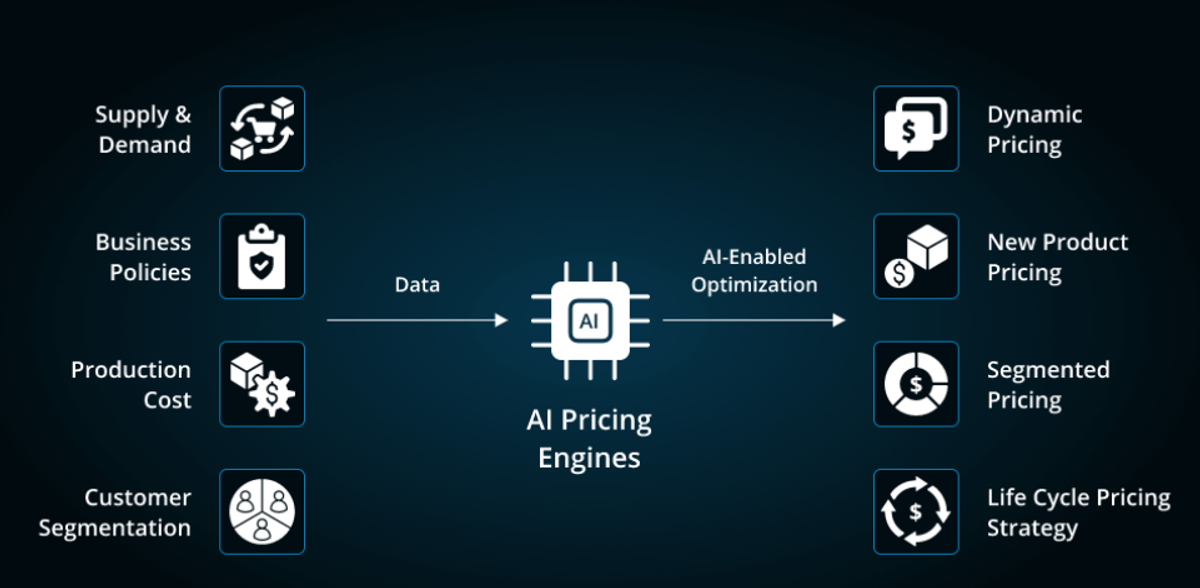
4. Technology Stack & Tools Used
The specific AI technologies and platforms directly impact AI workflow automation services pricing.
Open-Source vs. Proprietary:
Open-Source Technologies (Lower Cost):
- TensorFlow, PyTorch, Hugging Face
- Base cost: Free software licenses
- Development cost: $50–$150/hour
- Best for: Custom solutions, technical teams
Proprietary Platforms (Higher Cost but Faster):
- UiPath, Automation Anywhere, Blue Prism
- License costs: $1,000–$15,000+ per bot/year
- Implementation: Premium pricing
- Best for: Enterprise RPA, rapid deployment
AI Model Pricing Impact:
Pre-trained Models (Cost-Effective):
- GPT-4 API: $0.003–$0.012 per 1,000 tokens
- Claude API: Similar token-based pricing
- Monthly costs: $100–$5,000 for most businesses
- Quick deployment, lower development costs
Custom-Trained Models (Expensive):
- Development: $50,000–$200,000+
- Training infrastructure: $5,000–$50,000
- Ongoing retraining: $2,000–$10,000/month
- Necessary for specialized use cases
Cloud Platform Costs:
- AWS, Google Cloud, Azure: $500–$50,000+/month
- Managed AI services: Premium pricing
- Serverless options: Pay-per-use (more predictable for small businesses)
No-Code/Low-Code Platforms:
- Zapier, Make, n8n: $20–$500/month
- Faster implementation (weeks vs. months)
- Lower development costs (50–70% savings)
- Trade-off: Less customization
Technology decisions impact:
- Development time (30–50% variation)
- Ongoing costs (can differ by 100%+)
- Scalability and performance
- Maintenance requirements
5. Expert Talent & Labor Costs
People are expensive, especially AI experts.
In 2025, specialized AI talent commands premium compensation, with senior AI engineers earning $150,000 to $250,000 annually in North America, and experienced data scientists commanding $130,000 to $200,000 Future Processing.
The breakdown:
- Senior AI engineers: $150,000–$250,000/year
- Data scientists: $130,000–$200,000/year
- AI architects: $180,000 to $300,000 Future Processing
- AI project managers: $140,000 to $220,000 Future Processing
Geographic differences matter: This is where AI automation services pricing in India becomes relevant. Hourly rates range between $25 and $50, depending on project complexity. Phyniks, when outsourcing, compares to $150-$450/hour in North America.
Smart move: Many businesses save significantly by working with global teams while maintaining quality.
6. Data Preparation & Quality
Your data is the raw material. Poor quality data = poor AI performance = wasted money.
Data preparation alone can cost $10,000–$90,000. Digital Agency Network.
What you're paying for:
- Cleaning messy data (removing duplicates, fixing errors)
- Organizing information into usable formats
- Labeling data so AI understands it
- Storing and managing large datasets
Why this is expensive: Most businesses have years of disorganized data scattered across multiple systems.
It takes significant time and expertise to make this data AI-ready.
Industry impact: Healthcare applications can range from $20,000 to $50,000, while fintech applications may reach between $50,000 to $150,000 due to different requirements, complexity, and regulatory environments.
7. Integration & Infrastructure
Getting AI to work with your existing systems this is where hidden costs appear in AI workflow automation services pricing.
AI automation integration typically requires $50,000-$300,000+ initial investment for mid-sized enterprises.
What drives these costs:
- Connecting AI to your current software (CRM, ERP, marketing tools)
- Upgrading hardware or cloud infrastructure
- Servers alone costing north of $10,000
- API fees and third-party service connections
Critical insight: Hidden infrastructure expenses can add 30–50% to initial estimates beyond software costs.
Integration services: One-time integration services are often billed at rates between $25 and $49 per hour.
8. Scale & Usage Volume
This dramatically affects AI customer service automation pricing. Small pilot vs. enterprise-wide deployment = completely different costs.
What impacts scale:
- Number of users accessing the system
- Volume of transactions/queries processed
- Amount of data being analyzed
- Geographic reach of deployment
Pricing examples:
- Cloud-based subscriptions: $5,000 to $50,000 per month.
- Custom enterprise systems: Initial investment starting at $50,000 and reaching upwards of $500,000.
Usage based pricing: Token usage, API consumption, and overall infrastructure requirements directly influence how much you end up paying. The more your AI works, the more the bill increases.
Budget growth: AI related budgets are expected to jump by almost 36 percent by 2025 as companies rely on these systems more and more..
9. Ongoing Maintenance & Support
AI is not something you set up once and walk away from. This is honestly the part most people miss when they think about AI pricing.
In reality, companies usually spend around 100 to 5,000 dollars a month just to keep their AI systems running smoothly in 2025.
What you are actually paying for
• Updating the model when new data comes in • Fixing security issues and applying safety updates • Watching how the system performs and improving it when needed • Getting help when something breaks • Making sure everything follows the latest rules and regulations
And then there is the human part. Teams need to learn how to use the AI platform properly, and companies usually spend about 2,000 to 5,000 dollars per team member for proper training.
Why this matters
AI is not magic. If you leave it untouched, it becomes outdated. People change, markets change, and your data keeps shifting.
So if you want your AI to stay accurate and useful, you have to maintain it regularly. Just like you service a car to keep it running well, AI needs its own tune ups to stay sharp.
How These Components Work Together in Real Pricing Models for AI Automation Services
Understanding these six pieces makes it much easier to judge whether an AI automation pricing proposal actually makes sense.
Monthly Retainer Model
Most companies pay a fixed monthly fee, usually anywhere between 2,000 and 20,000 dollars, with the average sitting close to 3,200 dollars per month. This covers things like ongoing maintenance, support, small updates, and gradual improvements. Basically, you are paying for someone to keep the system healthy every single month.
Project Based Model
Here, you pay once for the actual development work. These projects usually cost 5,000 to 50,000 dollars, depending on how complex the system is and how deeply it needs to plug into your existing tools. After the build is done, maintenance is billed separately. It is like paying for construction first and then paying for repairs later.
Hybrid Models
Most companies in 2025 do not stick to just one model. They mix things, a one time development cost, plus a smaller ongoing subscription fee, plus usage based charges when the system works harder. This lets businesses spread out costs while still getting continuous support.
Practical Takeaway for Pricing AI Automation Services
When you are trying to understand how an AI automation consulting service is pricing their work, you should always ask them to explain the cost across these six areas:
• How complex is the solution? What exactly are you building, and how big is the scope?
• What level of expertise is needed? Are junior developers enough, or does this require senior AI engineers?
• How much data cleanup is involved? Is your data already organized, or does it need serious preparation before the AI can use it?
• What integrations are required? Does the AI need to connect with your CRM, website, payment gateways, or other tools?
• How many users or transactions will the system handle? The scale directly affects cost because more usage means more computing power.
• What does ongoing support include? Are updates, fixes, monitoring, and retraining part of the plan or billed separately?
When a provider breaks down pricing this way, you get real clarity on where your money is going. It becomes much easier to decide whether a small business plan or an enterprise solution actually fits your needs.
And remember this one line, because it saves people from expensive mistakes:
The cheapest option at the start often ends up costing the most later if it does not include proper maintenance and room to grow.
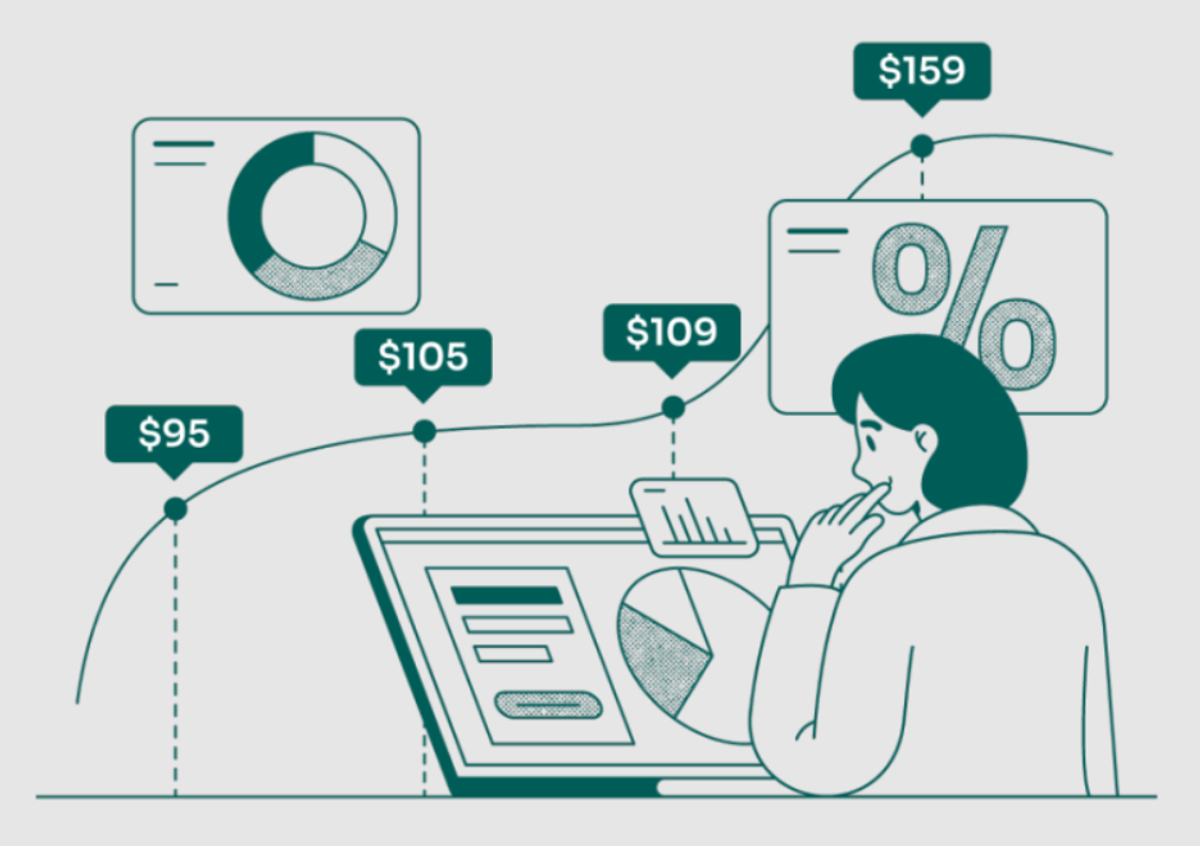
4. Transparent Pricing Ranges Used in the AI Automation Services Pricing Industry (2025)
Project Level
Pricing
What You Get
Basic (2–3 flows)
₹8,000 – ₹25,000
Email, CRM, Sheets
Medium (5–10 flows)
₹30,000 – ₹1,00,000
Custom logic, AI enrichment
Advanced Agents
₹1,00,000 – ₹4,00,000
AI agents + scraping + RAG
Enterprise Build
₹3,00,000 – ₹12,00,000
Full automated ecosystem
Monthly Maintenance
₹5,000 – ₹40,000
Fixing, updating, scaling
What's Included in Transparent Pricing
The best pricing strategies for AI automation services now include clear breakdowns:
Pricing transparency has become essential. Many services now include platform-based fees from providers like OpenAI, Claude, and Midjourney
Look Digital Agency Network for pricing that shows:
- Base platform costs (API fees, token usage)
- Development labor hours
- Infrastructure costs (servers, storage)
- Integration complexity
- Ongoing maintenance requirements
- Support level included
Here's what the industry actually charges, based on current market data. These are real numbers you'll encounter when shopping for AI automation services pricing 2025.
Standard Industry Pricing Tiers
The AI automation service pricing models have become more standardized across the industry:
Starter Implementations
$5,000 to $15,000 for template-driven solutions
What you get:
- Pre-built workflows with minimal customization
- Basic chatbots or email automation
- Limited integrations (1-2 systems)
- Standard deployment timeline (4-8 weeks)
Best for: Small businesses testing AI automation for the first time
Growth-Tier Projects
$15,000 to $50,000 for moderately customized services
What you get:
- Semi-custom solutions tailored to your workflows
- Multi-channel automation
- Multiple system integrations (3-5 platforms)
- Custom training and support
- 2-4 month implementation
Best for: AI automation services for small businesses looking to scale
Enterprise Deployments
$50,000 and up for fully tailored solutions
What you get:
- Completely custom AI systems
- Complex multi-system integrations
- Advanced analytics and predictive models
- Dedicated support teams
- 6-12 month+ development cycles
Best for: Large organizations with specific, complex requirements
Ongoing Support & Maintenance
$500 to $5,000+ per month for retainers
Digital Agency Network This covers:
- Model monitoring and retraining
- Performance optimization
- Technical support
- Security updates
- Compliance maintenance
Hourly rates for AI automation consulting services
Hourly pricing can vary a lot depending on where the team is located and how experienced they are.
Global outsourcing rates
In countries like India and other popular outsourcing regions, hourly rates usually fall between 25 and 50 dollars. The price depends on how complex the project is, what tools are being used, and how accurate the final system needs to be.
This is the most common range for businesses looking for cost effective AI automation work.
North American consulting rates
In North America, the rates jump quite a bit. AI consultants typically charge 100 to 450 dollars per hour, depending on their experience, the technical difficulty of the project, and the industry they are working in.
High risk industries like finance or healthcare usually fall on the higher end of this range.
General development rates
If you look at AI development companies listed on Clutch, you will notice that many of them charge between 24 and 49 dollars per hour for development work. These rates are common for teams that handle training data, automation workflows, integrations, and general AI implementation.
Service-Specific Pricing Benchmarks
AI Chatbots
- Basic rule-based: $5,000-$30,000 for simple tasks like FAQs or order tracking
- AI-powered: $75,000-$500,000+ with advanced NLP, sentiment analysis, and integrations
- Usage-based: $2 to $6 per resolution, with platforms like Crescendo.ai typically charging $2.99/resolution
AI SEO Services
Typically cost between $2,000 and $20,000 per month
AI Automation Setups
Often fall between $2,500 and $15,000
Basic Marketing Automation
A small online store might use AI-based marketing automation for as little as $300/month
Consumption-Based Pricing Model
This is the fastest-growing pricing strategy for AI automation services:
Consumption-based pricing has grown in popularity, now accounting for 35% of enterprise AI implementations, up from 18% in 2023.
How it works:
- You pay based on actual usage (tokens, API calls, transactions)
- Open AI charges between $0.003 and $0.012 per 1,000 tokens for GPT-4 Turbo
- Costs scale with your usage volume
- Predictable for businesses with stable workloads
Why it's popular: This model charges based on actual usage, offering predictable costs for organizations with fluctuating automation needs
Monthly Retainer Ranges for AI Automation Agency Services Pricing
Monthly retainers typically range from $2,000 to $20,000+, with the average around $3,200/month according to 2025 data
What determines your rate:
- Scope of ongoing work
- Number of automation workflows managed
- Response time requirements
- Level of customization needed
- Industry complexity (healthcare/finance cost more)
Project-Based Pricing Ranges
Project-based AI service pricing typically ranges from $5,000 to $50,000 depending on complexity and integration depth
Average Project Costs:
Based on reviews on Clutch, the average cost for an artificial intelligence development company project is $120,594.55
Typical Timeline:
10 months is the typical timeline for an AI development project based on verified client reviews
Monthly Project Cost:
On average, the monthly cost of an AI development project is $11,553.45
Industry-Specific Pricing Reality
Different industries end up paying very different amounts for AI automation, mostly because each sector has its own rules, risks, and level of complexity.
Healthcare
Healthcare is usually the most expensive place to build AI. It is not because the tech is fancy it is because the rules are strict. You need top level security, privacy protection, and compliance. All of that can easily add twenty to thirty percent on top of your actual project cost.
If you are in healthcare, these extra layers are not optional. They are mandatory.
Finance and Fintech
Fintech is another high cost category. A proper fraud detection system powered by machine learning can cross one lakh dollars without blinking. Plus, you need constant compliance checks, detailed logs, and systems that explain how decisions were made.
Finance pays more because even a small mistake can cause massive damage.
Retail and E commerce
Retail is usually the easiest and most affordable place to start with AI. Most businesses begin with simple automations like: • chatbots • product recommendations • customer support workflows
AI advisory chatbots can even start around one thousand dollars a month on AI as a Service platforms. And because this industry is more flexible, there are plenty of SaaS tools that let you start small and scale later.
Education
Education can go in two directions: If you want something simple, SaaS tools are affordable. But if you want a custom AI tutor or an assessment engine, the pricing jumps. These projects usually fall between one lakh to three lakh dollars, depending on how advanced you want it and how many languages or subjects it needs to support.
Premium vs Standard Pricing
AI services almost always cost more than traditional digital marketing or software services. Not because agencies are overcharging — but because AI needs more computing power, more engineering, and more ongoing care.
On average, AI driven services charge twenty to fifty percent more than manual work.
Why? Because AI gives you things manual work simply cannot: • speed • scale • better accuracy • automation • predictions • personalization for thousands of users at once
This is why AI pricing sits at a premium.
A quick budget reality check
According to Zylos report for 2025, companies spent an average of four hundred thousand dollars on AI native tools. That is a seventy five percent jump from last year.
So yes, companies are investing more in AI but they are also seeing returns that justify the spend.
The goal is not to spend more; it is to spend smart.
How to actually use these pricing ranges
Whether you are checking pricing for customer support automation or full workflow automation, use these numbers as your compass:
• Check if the quote makes sense If someone is charging three times the usual market rate, ask why.
• Compare similar work One quote may include data prep and integrations. Another may not. Make sure you compare fairly.
• Budget realistically Always keep a thirty to fifty percent buffer. Hidden costs show up in every project.
• Negotiate with confidence Knowing market averages gives you leverage during pricing calls.
• Plan for growth Your costs will rise as your usage grows. Better to know it early than be surprised later.
These ranges give you real visibility into pricing so you can make confident, informed decisions about which AI automation services actually fit your business.
5. Links to Popular AI Automation Agencies + Creators for Reference
Here's a curated list of top agencies and influential creators in the AI automation space for 2025:
Top AI Automation Agencies
Enterprise-Level Agencies
1. SmartSites
- Premier Google Partner in 2024, Microsoft Advertising Select Partner, and Meta Business Partner
- USA's #1 rated digital marketing agency with over 1,000 five-star reviews and six-time Inc. 5000 fastest-growing company
- Specialization: AI-driven marketing strategies, digital automation, SEO
2. Deloitte Digital
- Enterprise-grade solutions well-suited for large-scale implementations, offering comprehensive and centralized approaches to automation.
- Projects that 25% of enterprises in telecommunications will deploy AI agents by 2025, rising to 50% by 2027
- Specialization: Large-scale AI transformations, telecommunications automation
3. MOR Software
- End-to-end AI software development, workflow automation, mobile/web systems, Salesforce integration
- AEON Vietnam cut manual order processing by 40% after automating retail workflow with MOR
- Specialization: Finance, logistics, healthcare, eCommerce
4. 10Clouds
- Boutique AI firm that balances technical excellence with business strategy
- Specialization: Data science, untapped data assets, automation technologies
5. Markovate
- California-based AI automation agency specializing in custom machine learning solutions and enterprise-level implementations
- Over 200 projects delivered and 65+ AI solutions deployed
- Specialization: Mid-market and enterprise AI integrations
Specialized & Mid-Size Agencies
6. Sellozo
- Employs AI to optimize Amazon PPC campaigns, automate bid adjustments, and uncover new keywords
- Enabled Commerce Canal to achieve a 74% increase in profit and scale operations without increasing costs
- Specialization: Amazon automation, e-commerce
7. WEBITMD
- Top 12 AI automation agency for 2025
- Specialization: Marketing automation, growth strategies
8. Axe Automation
- Leader in AI automation industry offering cutting-edge solutions that redefine business efficiency
- Helps businesses streamline operations by integrating AI with automation to replace manual, repetitive tasks
- Specialization: RPA, machine learning, process automation
9. Sigmoidal
- AI consulting firm helping businesses leverage Generative AI and machine learning to drive growth
- Services: Sigmoidal Edge™ (consulting), Sigmoidal 360™ (development), Sigmoidal Aurora™ (knowledge assistants)
- Specialization: Safe and beneficial AI systems
10. DevsData
- Develops advanced AI models for complex, data-intensive tasks including NLP, computer vision, and predictive analytics
- Boutique software and recruitment agency with senior developers from top universities and tier-one tech firms
- Specialization: Python-based ML frameworks (TensorFlow, PyTorch), cloud deployment
11. Altar.io
- Founded by ex-startup founders, landed impressive clients like McKinsey, IBM, and Coca-Cola
- Acts as a true "tech co-founder" rather than just a vendor, excels at building MVPs that leverage AI
- Specialization: Fintech, e-commerce, startup AI products
12. LeewayHertz
- Renowned software development company offering innovative solutions for startups, SMBs, and enterprises
- Specialization: Full-stack AI solutions across industries
13. Blue Label Labs
- Digital product agency providing mobile app development, web design, and product strategy
- Clients: Valrhona, BCG, iHeartMedia
- Specialization: Mobile-first AI applications
14. Idea Link
- Leverages GPT-4 and no-code tools to build internal AI-powered platforms
- No-code development agency helping businesses transform ideas using no-code and low-code tools
- Specialization: Rapid AI implementation, no-code solutions
15. NineTwoThree Studio
- Specializes in designing and engineering AI, web, and mobile applications for established brands and funded startups
- Specialization: Generative AI, LLMs, machine learning, go-to-market strategies
Marketing-Focused AI Agencies
16. NoGood
- Focuses on helping SaaS, B2B, and eCommerce businesses thrive with resourceful team of marketers, creatives, and analysts
- Specializes in driving customer acquisition and retention for AI-focused companies
- Specialization: AI-driven lead qualification, growth marketing
17. Jellyfish
- First global company to connect content, data and media in real-time with dedicated AI Studio
- Replaced portions of traditional human media buyers with bots, reducing campaign launch times by 65%
- Case Study: M&S achieved 80% faster content delivery, 30% unit cost reduction, 25% production capacity boost
- Specialization: Programmatic media, GenAI content
18. Omneky
- Combines machine learning, computer vision, and performance data to create and optimize ad creative at scale
- Case Study: Omiana saw a 3.5x ROI increase and a 200% YoY sales rise
- Specialization: AI-powered ad creative generation, eCommerce
Top AI Automation Creators & Influencers

YouTube Educators & Business Strategists
1. Liam Ottley
- New Zealand-based AI entrepreneur reshaping the AI business landscape with expert insights on AI-powered automation and entrepreneurship.
- YouTube: https://www.youtube.com/@liamother
- Specializes in practical AI business implementation and automation strategies, comprehensive guides on AI automation agencies
- Focus: Building AI-powered businesses, automation contracts
2. All About AI
- Go-to resource for understanding AI agents, automation, and real-world AI applications
- YouTube: https://www.youtube.com/@AllAboutAI
- Highly practical tutorials like writing 10,000 lines of AI-generated code in 3 hours
- Focus: ChatGPT, GPT-4, Claude AI, Midjourney, Stable Diffusion
3. David Ondrej
- Tutorials dive into practical applications, including building custom AI solutions and maximizing AI-powered business automation. Future Processing
- Focus: Real-world AI implementation, AI startups
4. Krish Naik
- Subscribers: 1.3M
- YouTube: https://www.youtube.com/@krishnaik06
- Founder of KrishAI Technologies, 10+ years' experience pioneering in machine learning, deep learning, and computer vision
- Focus: Technical ML/AI education
5. 3Blue1Brown (Grant Sanderson)
- Subscribers: 7.7M
- YouTube: https://www.youtube.com/@3blue1brown
- Uses animation to help elucidate and motivate otherwise tricky topics in math, physics, and CS
- Focus: Visualizing AI/ML concepts
6. Corey Schafer
- Subscribers: 1.5M
- YouTube: https://www.youtube.com/@coreyms
- Covers Python, Git, Development Environments, SQL, JavaScript, Computer Science Fundamentals,
- Focus: Programming fundamentals for AI development
AI Influencers on Social Media
7. Allie K. Miller
- Leading voice in AI and technology with a focus on education and diversity, significant roles at Amazon and IBM HYPEStudio
- Following: 1.5M
- Focus: AI business strategy, women in tech, practical AI use cases
8. Justin Fineberg
- CEO of Cassidy.ai, focusing on AI automation for businesses with a significant following on TikTok and Instagram HYPEStudio
- Focus: Leveraging AI for efficiency and growth
9. Kane K. (Kallaway)
- Prominent tech and AI content creator, founder of sandcastles.ai, engineered viral growth strategies for brands HYPEStudio
- Focus: New technologies, AI advancements, content strategies
YouTube Automation Success Stories
10. Noah Morris
- Runs 18 faceless channels with 2.5 million subscribers using YouTube automation Amplework
- Focus: Faceless YouTube automation business models
11. Mr. Nightmare
- Subscribers: 6.71M
- Features horror stories based on real-life incidents ranging from 20-40 minutes, 416 videos with up to 29M views Amplework
- Focus: Storytelling content automation
Agency Discovery Platforms
DesignRush
- Website: https://www.designrush.com/agency/ai-companies/ai-automation-agency
- Top 30 AI Automation Agencies rankings updated November 2025 Digital Agency Network
Clutch
- Website: https://clutch.co
- Platform for verified client reviews and agency comparisons
Digital Agency Network (DAN)
- Website: https://digitalagencynetwork.com
- Post projects to find agency partners
These agencies and creators represent the current leaders in AI automation services pricing, and implementation strategies for 2025.
6. Common FAQs on AI Automation Services Pricing: Budgeting, Tools, Maintenance & More
Here are the most frequently asked questions about AI automation services pricing, answered in practical, straightforward language for 2025.
BUDGETING QUESTIONS

Q1: How much should I budget for AI automation?
Budget varies significantly based on scope, but expect costs for technology (software licenses, cloud infrastructure), implementation (consulting, training, internal resources), and ongoing operations (maintenance, support)
General budget ranges:
- Small businesses: $5,000-$50,000 initial investment
- Mid-size companies: $50,000-$200,000
- Enterprise: $200,000-$500,000+
Important: Data preparation and cleaning costs often represent 20–30% of project budgets but are frequently overlooked in initial planning phases .
Q2: When will I see ROI from AI automation?
Most organizations see ROI within 6-18 months, with some achieving payback in as little as 3-6 months for well-selected use cases .
Success metrics: Most successful implementations show 25-70% improvement in key metrics, with the largest gains typically in data adaptability and decision-making capabilities .
Q3: Are there hidden costs I should know about?
Yes, several:
Infrastructure costs: Hidden infrastructure expenses can add 30–50% to initial estimates beyond software costs
Integration complexity: Legacy system integration can increase project costs by 40–60%, particularly in enterprises with outdated technology infrastructure
Data preparation: Data preparation costs represent one of the most frequently underestimated aspects of AI implementation budgets, typically accounting for 20–30% of total project costs
Training: Organizations must budget $2,000-$5,000 per technical team member for specialized training on AI platforms
Q4: How are AI budgets typically structured?
2025 AI budgets will be spread across multiple departments and tucked away in other areas like compliance and cybersecurity.
Common budget categories:
- CRM and sales tools
- Data management and analytics
- Compliance and security
- Automation and efficiency projects
- Customer support systems
Budget trends: 79% of respondents are increasing AI budgets, and 32% see budgets increasing by 50% .
TOOLS & PLATFORMS QUESTIONS
Q5: What are the best AI automation tools for 2025?
For beginners/no-code users:
- Zapier: Simple trigger-action workflows
- Make (formerly Integromat): Visual workflow builder
- Lindy: AI-first platform for business tasks
For technical teams:
- n8n: Open-source, free self-hosted option starting at $20/month for cloud
- UiPath: Enterprise RPA leader
- Power Automate: Microsoft ecosystem integration
For specific use cases:
- Customer support: Moveworks, chatbot platforms
- Marketing: Jasper AI ($39-$59/month), HubSpot
- Sales: Gong.io, Salesforce Agentforce
Q6: Do I need technical skills to use AI automation tools?
Not necessarily. Even advanced features like conditional logic or multi-step flows are handled visually. For most use cases, no coding is needed, just a clear idea of what task you want to automate .
No-code friendly: Zapier, Appy Pie Automate, Lindy, Make.
Some technical knowledge helpful: n8n, Workato.
Technical requirements: Custom API integrations, enterprise RPA
Q7: How do I choose the right AI automation platform?
Consider these factors:
Ease of setup: Platforms like Lindy and Make offer visual builders and prebuilt templates that make setup relatively quick, even for non-technical users
Integration capabilities: Check if it connects with your existing tools (CRM, email, Slack, etc.)
Pricing model: Per-execution, per-user, or flat subscription?
Scalability: Can it grow with your business?
AI capabilities: Does it just follow rules, or can it make intelligent decisions?
Q8: What's the difference between RPA and AI automation?
RPA (Robotic Process Automation):
- Follows fixed rules and scripts
- Great for repetitive, predictable tasks
- RPA bots can be fragile. If a button or field changes in the UI, the automation can break. They're powerful but require ongoing maintenance
AI Automation:
- Makes intelligent decisions based on context
- Adapts to changing inputs
- Can handle ambiguity and learn over time
- More expensive but more flexible
MAINTENANCE & ONGOING COSTS
Q9: How much does AI automation maintenance cost?
Ongoing AI management costs $100 – $5,000 per month on average in 2025.
What maintenance includes:
- Model retraining and updates
- Performance monitoring
- Security patches
- Bug fixes and troubleshooting
- System optimization
Annual costs: Maintenance, updates, and system monitoring represent 15–25% of initial implementation costs annually.
Q10: Why does AI need ongoing maintenance?
AI systems degrade over time, necessitating continuous retraining, monitoring, and security updates to maintain performance.
Reasons for maintenance:
- Business conditions change
- New data needs to be incorporated
- Models lose accuracy over time ("model drift")
- Security vulnerabilities need patching
- Integration points may break when other systems update
Q11: Can I reduce maintenance costs?
Yes, several strategies:
Choose managed services: Cloud platforms handle infrastructure maintenance
Start simple: Simpler AI = less maintenance
Use SaaS solutions: Vendor handles most updates
Plan for scalability: Build systems that don't require constant rebuilding
Organizations that invest adequately in training typically achieve 30–40% faster time-to-value from their AI implementations compared to those that minimize training budgets.
IMPLEMENTATION & READINESS
Q12: How do I know if my business is ready for AI automation?
Start with a readiness evaluation across three key areas: Technical infrastructure (assess your existing systems, data quality, and integration capabilities), Process analysis (document current workflows and identify high-volume, rule-based, time-consuming tasks), and Organizational culture (gauge openness to change and current change management capabilities).
You're ready if you have:
- High-volume, repetitive processes
- Clear decision rules that can be documented
- Good quality data (or budget to clean it)
- Leadership buy-in
- The team is willing to adapt
Q13: Which processes should I automate first?
Ideal candidates are high-volume processes (handling large numbers of transactions), rule-based activities (with clear, consistent decision logic), time-consuming tasks (consuming significant human resources), error-prone processes (with quality or consistency issues), and repetitive activities (performed frequently with minimal variation).
Best starter projects:
- Customer service chatbots
- Email response automation
- Data entry and processing
- Invoice processing
- Appointment scheduling
Q14: What's a realistic timeline for implementation?
Implementation typically follows a 6-12 month timeline for initial deployment.
Timeline by complexity:
- Simple chatbot: 4-8 weeks
- Mid-level automation: 3-6 months
- Enterprise solution: 8-12+ months
AI development timelines vary but typically range from a few weeks for simple AI projects to 6+ months for complex AI systems requiring extensive training and testing .
ROI & BUSINESS IMPACT
Q15: How do I measure AI automation success?
Track both quantitative and qualitative metrics across multiple categories: Operational efficiency (processing time reduction, cost savings, error rate improvements), Strategic value (business agility, competitive advantage, revenue growth), and User satisfaction (employee productivity, customer experience).
ROI formula: Calculate ROI using: (Total Benefits – Total Costs) / Total Costs × 100%
What to include:
- Direct benefits (labor savings, efficiency gains)
- Cost avoidance (prevented errors, compliance risk reduction)
- Strategic value (enhanced capabilities, market opportunities)
Q16: What kind of results can I expect?
Typical improvements:
- 25-70% improvement in key operational metrics
- 30-200% ROI within 18-24 months
- 20-30% reduction in operational costs
- 40%+ improvement in efficiency
Industry example: A mid-sized manufacturing company invested $350,000 in an AI-powered quality control system.
The system achieved 99.8% defect detection accuracy, reducing waste by 23% within six months .
COMMON CONCERNS & RISKS
Q17: Will AI automation replace my employees?
Automation software impacts employment by both creating and eliminating jobs. While some routine tasks are automated, leading to potential job displacement in certain sectors, new job opportunities emerge in areas like automation development, maintenance, and related fields .
Reality: AI typically augments human work rather than replacing it entirely. Employees shift from repetitive tasks to higher-value strategic work.
Q18: What are the risks of AI automation?
Poorly set up workflows can send wrong emails, update the wrong database fields, or expose sensitive info. That's why most platforms, including Lindy, offer role-based permissions, audit logs, and testing environments to reduce mistakes.
Key risks:
- Data security breaches
- Errors in automated processes
- Over-dependence on technology
- Integration failures
- Compliance violations
Mitigation: Start with pilot projects, implement proper testing, and maintain human oversight.
Q19: Is outsourcing AI development cheaper than in-house?
Outsourcing can be more cost-effective than in-house development, especially for companies without AI expertise. AI vendors offer specialized solutions at competitive pricing.
Outsourcing benefits:
- Access to specialized expertise
- Lower hourly rates (especially offshore)
- Faster implementation
- No long-term employment costs
In-house benefits:
- Better control and customization
- Deeper organizational knowledge
- Faster iteration on changes
- Better data security
GETTING STARTED
Q20: Should I use free AI budgeting tools or paid solutions?
If your team just needs help with basic planning or answering quick questions, tools like ChatGPT could be a starting point. But for deeper, more complex financial management, like budgeting, scenario planning, and cash flow forecasting, you'll need a dedicated AI finance platform.
Free tools are good for:
- Learning and experimentation
- Very simple automations
- Personal use
- Testing concepts
Paid tools necessary for:
- Business-critical processes
- Advanced integrations
- Compliance requirements
- Scale and reliability
- Support and maintenance
Q21: What's the first step to implement AI automation?
Identify pain points: Which repetitive tasks waste the most time?
Start small: Pick ONE process to automate
Choose appropriate tools: Match complexity to your needs
Run a pilot: Test before full deployment
Measure results: Track time saved, errors reduced, costs saved
Scale gradually: Expand only after proving value
Key advice: The best automation tool is the one your team will consistently use, trial a free tier first to confirm fit before committing .
Final Thoughts on AI Automation Services Pricing
Understanding AI automation service pricing models requires looking beyond the sticker price to include data preparation, integration, training, and ongoing maintenance.
Despite high initial costs, businesses typically see 30–200% ROI within 18–24 months through improved efficiency and reduced operational expenses.
The key is to start strategically with well-defined use cases, proper budgeting for hidden costs, and a commitment to ongoing optimization.
Whether you choose monthly subscriptions, project-based pricing, or consumption-based pricing, the important thing is to match the pricing strategy for AI automation services to your business needs and growth trajectory.
Subscribe to our newsletter as we’ll share practical tips, powerful workflows, and updates that will help you get the most out of AI.
https://www.fatcamel.ai/#/subscribe
By Basant Choudhary
We don’t sell AI, we sell results.