
Quick Answer
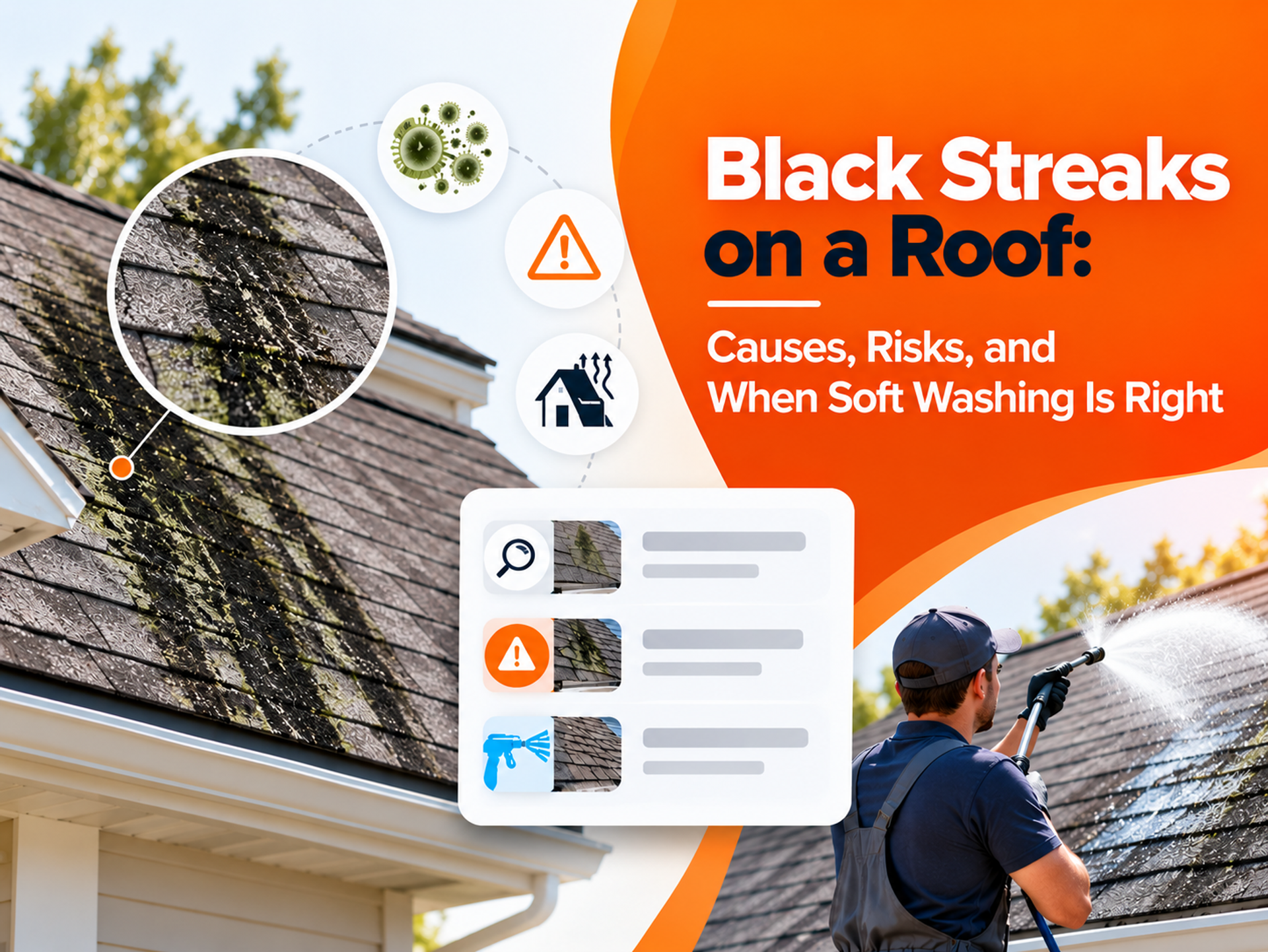
Black streaks on many asphalt-shingle roofs are caused by the cyanobacterium Gloeocapsa magma. It can create dark discoloration that follows the direction of rainwater flow. However, similar-looking marks can have other causes, so the roof's condition should be assessed if the source is unclear.
Roof algae should generally be treated with a low-pressure, solution-assisted cleaning method rather than high-pressure washing. Pressure can remove protective shingle granules and may shorten the roof’s useful life. The right product, dilution, application method, and safety process depend on the roofing material and the manufacturer’s guidance.
Table of Contents
What Causes Black Streaks on a Roof?
Are Black Roof Streaks a Problem?
Algae, Moss, and Lichen: What Is the Difference?
Why Soft Washing Is Safer Than Pressure Washing
What Roofing Guidance Says About Cleaning
How Professional Roof Soft Washing Works
How Plants and Property Are Protected
What Results Should You Expect After Treatment?
DIY Products vs. Professional Soft Washing
How FatCamel Helps Exterior Contractors Manage Roof-Cleaning Customers
What Causes Black Streaks on a Roof?
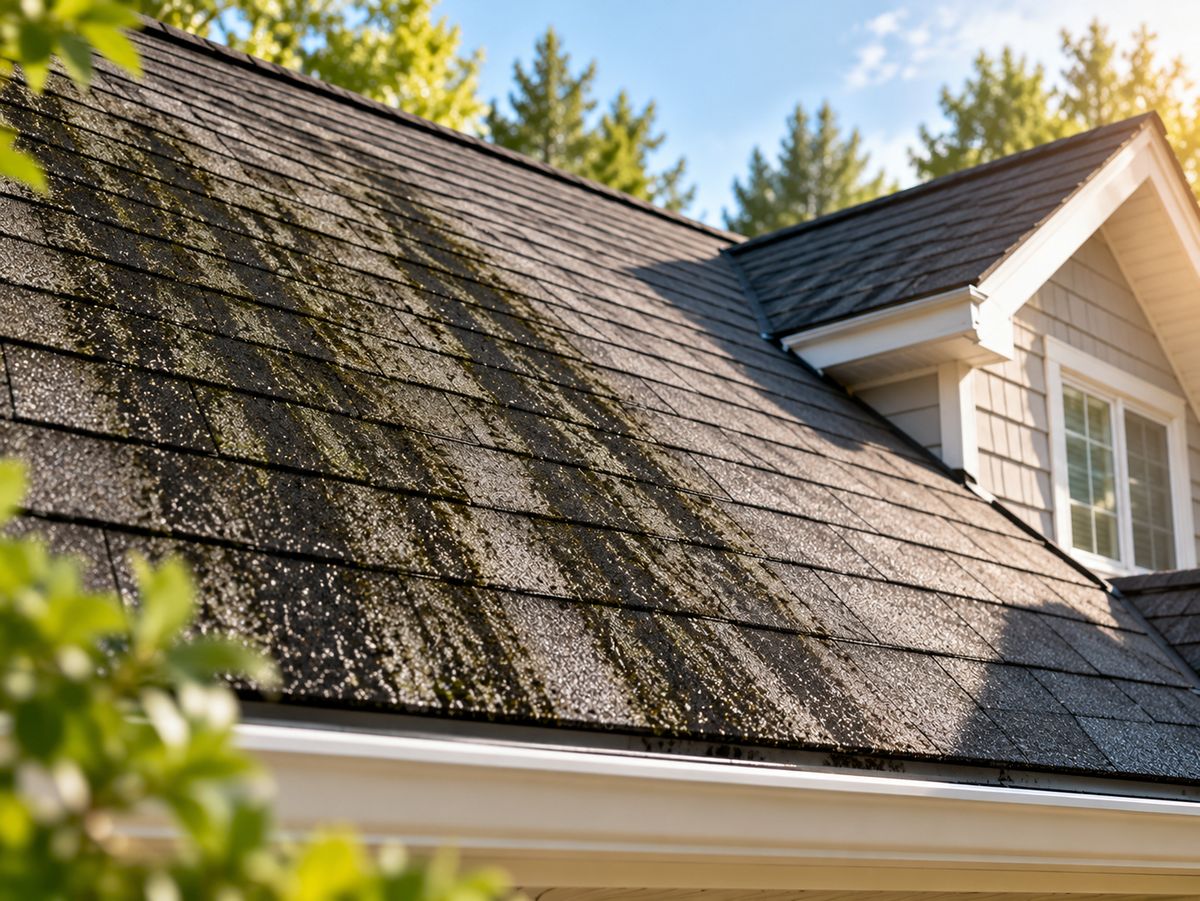
Gloeocapsa magma can spread through wind, rain, birds, and contact with nearby surfaces. When spores land on a roof with enough moisture and a suitable food source, a colony can develop.
Many asphalt shingles contain limestone filler. Algae can use the calcium carbonate in that material, while the dark appearance comes from a protective pigment that helps the organism cope with sunlight. Rain then carries the visible material down the roof, creating the familiar peak-to-eave streaks.
Shaded areas, tree cover, humid climates, and north-facing slopes usually create conditions where the streaks appear and return more quickly.
Are Black Roof Streaks a Problem?
Black streaks do not automatically mean a roof is damaged. However, it is useful to understand what the staining may indicate:
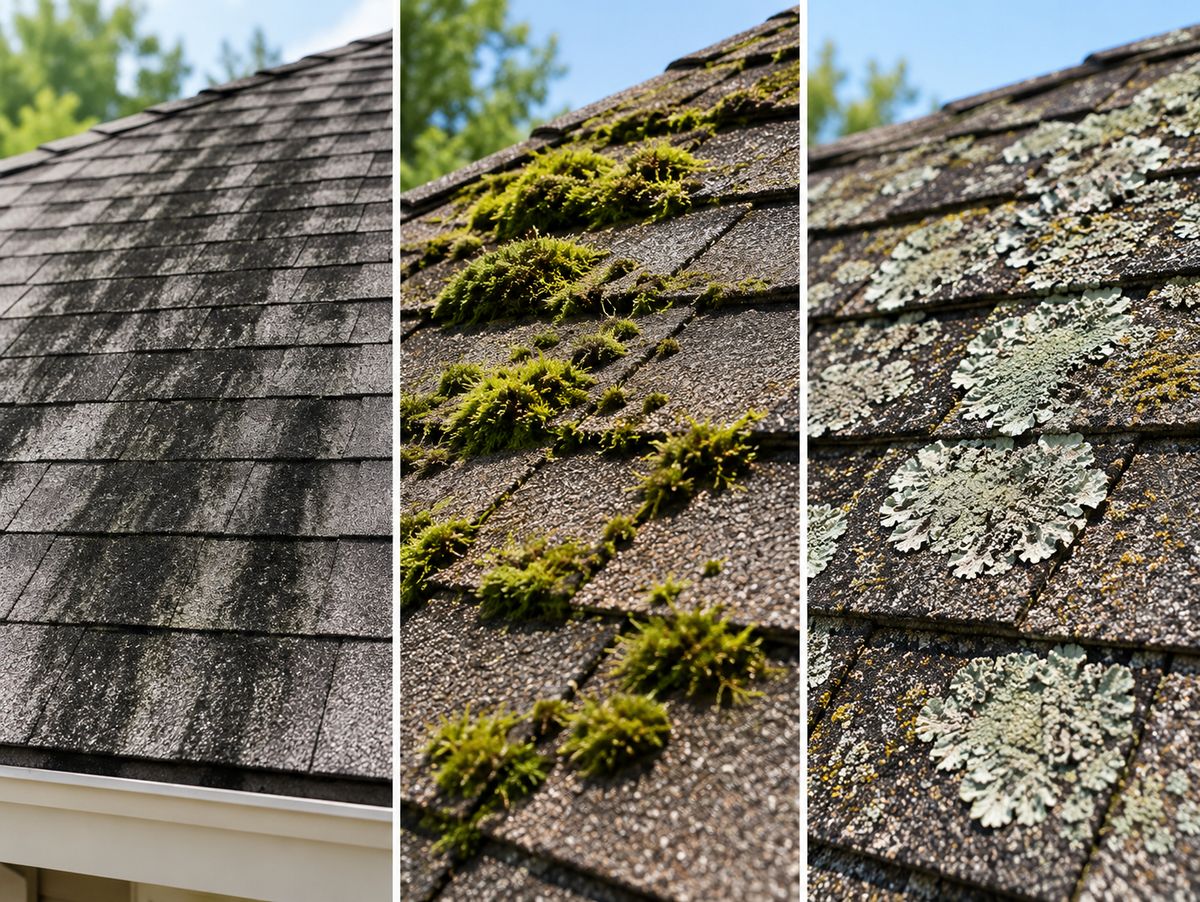
- Appearance: Dark streaks can make a roof look uneven or poorly maintained.
- Algae: Algae staining is often primarily cosmetic, although the roof should still be checked if other signs of damage are present.
- Moss: Moss can retain moisture and lift shingle edges as it grows.
- Lichen: Lichen attaches firmly to the surface and can be difficult to remove without the correct treatment.
- Roof condition: Missing granules, cracked or lifted shingles, leaks, or other visible damage may require a roofing professional's assessment.
If you're unsure whether you're seeing surface growth or roof damage, arrange an inspection before choosing a cleaning method.
Algae, Moss, and Lichen: What Is the Difference?
Algae
Algae usually appears as dark gray or black streaking. It sits primarily on the surface and may show meaningful visual improvement after a suitable low-pressure treatment, although the dead material may wash away gradually rather than disappearing immediately.
Moss
Moss appears as green patches or clumps. It holds more moisture against shingles and can lift edges as it grows. Heavy moss may require more preparation, a longer treatment process, or a follow-up visit.
Lichen
Lichen is a combination of algae and fungi that bonds strongly to mineral surfaces. Treatment can kill it, but the dead growth may remain attached for weeks or months before weathering loosens it. A contractor promising instant removal of heavy lichen should explain the method and expected result carefully.
Why Soft Washing Is Safer Than Pressure Washing
High-pressure water can dislodge the granules embedded in asphalt shingles. Those granules help protect the shingle from ultraviolet exposure and weather. Once removed, they do not grow back.
Pressure may also improve the appearance temporarily while leaving biological growth behind. If the organism survives, the streaking can return. More importantly, aggressive cleaning can create damage that is more expensive than the original roof-cleaning problem.
Soft washing uses a cleaning solution applied at low pressure, followed by a controlled rinse. The chemistry addresses the organism while the low-pressure application reduces the risk of stripping granules. The exact product and dilution should be appropriate for the roofing material and used according to its label and manufacturer guidance.
For a broader surface-by-surface comparison, read Soft Washing vs. Pressure Washing.
What Roofing Guidance Says About Cleaning
Roofing guidance commonly warns against power washing asphalt shingles and recommends following the shingle manufacturer’s cleaning instructions. The Asphalt Roofing Manufacturers Association discusses gentle cleaning solutions for algae-stained shingles and advises against methods that damage the granule surface.
Owens Corning also identifies algae resistance as a consideration for asphalt shingles, particularly in humid climates, and discusses preventive approaches for high-growth environments.
Before booking, check the documentation for the specific shingle brand and roof material. Warranty language can differ, and a contractor should not promise that one cleaning method is suitable for every roof.
How Professional Roof Soft Washing Works
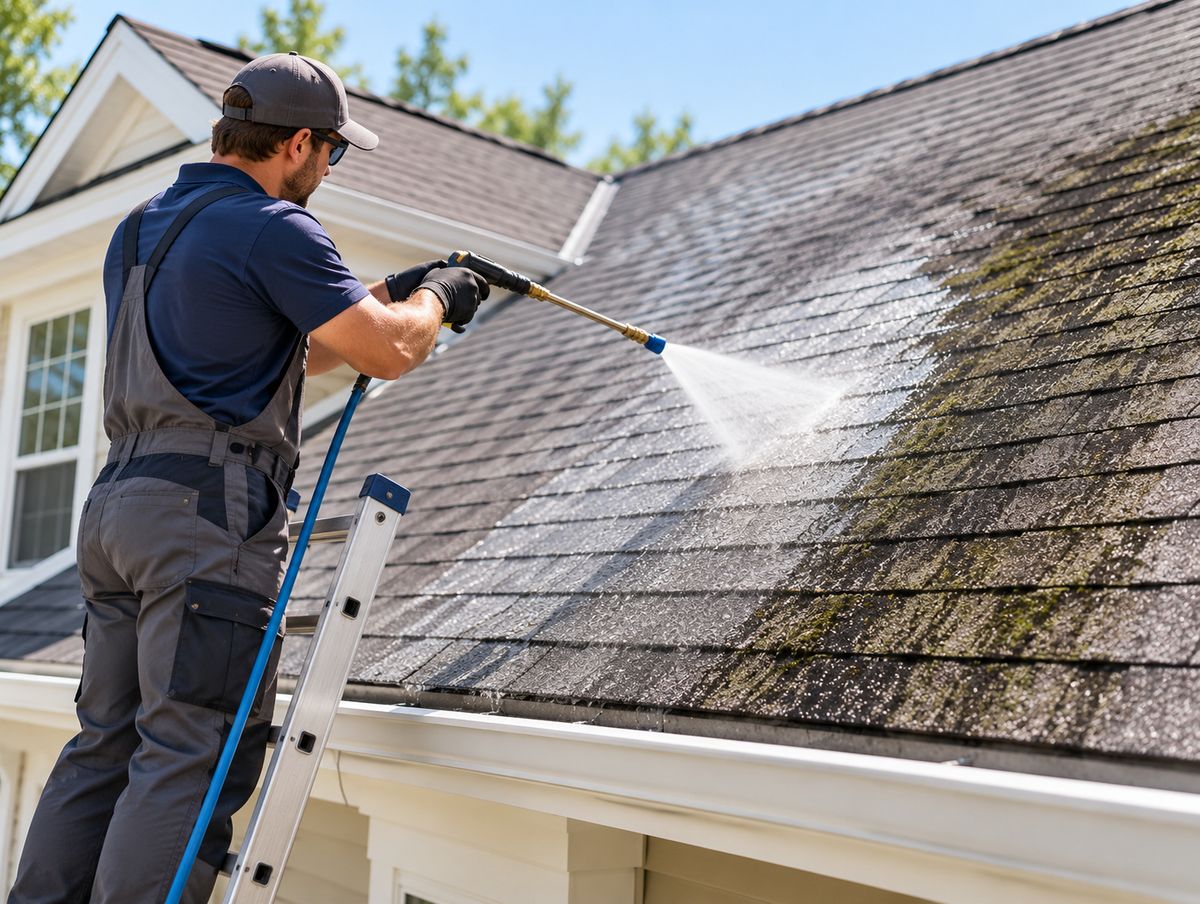
A careful roof-cleaning visit commonly includes:
Assessment: The crew checks for cracked or missing shingles, existing granule loss, flashing issues, roof pitch, and the level of growth.
Protection: Plants in the runoff path are pre-wetted. Sensitive fixtures, equipment, and property areas are protected where necessary.
Solution application: The appropriate low-pressure cleaning solution is applied from safe working positions, usually from the ridge toward the eaves.
Dwell time: The solution remains on the surface long enough to work. Timing varies with weather, material, and contamination.
Controlled rinse: The roof is rinsed at low pressure, with care taken around shingles, flashing, gutters, and landscaping.
Final check: The crew inspects the property and rinses nearby plants and surfaces as needed.
How Plants and Property Are Protected
Cleaning solutions can damage foliage if they contact plants at a strong concentration and are allowed to dry. A careful cleaning process may include pre-wetting plants, monitoring runoff, and rinsing nearby foliage during and after treatment. The precautions required depend on the cleaning product, its concentration, the landscaping, and the site conditions. Ask the contractor how plants and surrounding surfaces will be protected.
Extra care may be needed when plants sit directly below roof edges, when runoff can pool in a low spot, or when sensitive landscaping is close to the foundation. Outdoor electrical fixtures, HVAC equipment, metal surfaces, windows, and doors should also be protected or checked before the work begins.
Ask the contractor what protection is included rather than assuming every company follows the same process.
What Results Should You Expect After Treatment?
Roof-cleaning results do not always appear at the same speed:
- Immediately after treatment: The roof may look wet or uneven, so its final appearance may not be clear straight away.
- Algae: Staining may improve over time as the treatment works and weathering removes dead material.
- Moss: Established moss may take several weeks or longer to loosen and weather away.
- Lichen: Heavy lichen may remain attached for months even after treatment.
- Follow-up: Ask the contractor when results should become visible and when to contact them if the roof does not improve as expected.
The timeline depends on the roofing material, the type and amount of growth, weather conditions, and the treatment used. Ask for realistic expectations before approving the work.
Retail roof-cleaning products may be suitable for light growth on a low-slope, easily accessible area when the product label allows that use. The bigger issue is safety: roof work carries a fall risk, and a homeowner without appropriate experience or fall-protection equipment should not climb onto a roof simply to remove cosmetic streaks.
Professional service can provide more consistent coverage, safer access, better protection around landscaping, and a more suitable approach for steep roofs, heavy moss, lichen, or large areas. Never mix cleaning products or use a product contrary to its label.
Read More: What’s Included in a Professional House Wash? A Complete Guide
How FatCamel Helps Exterior Contractors Manage Roof-Cleaning Customers
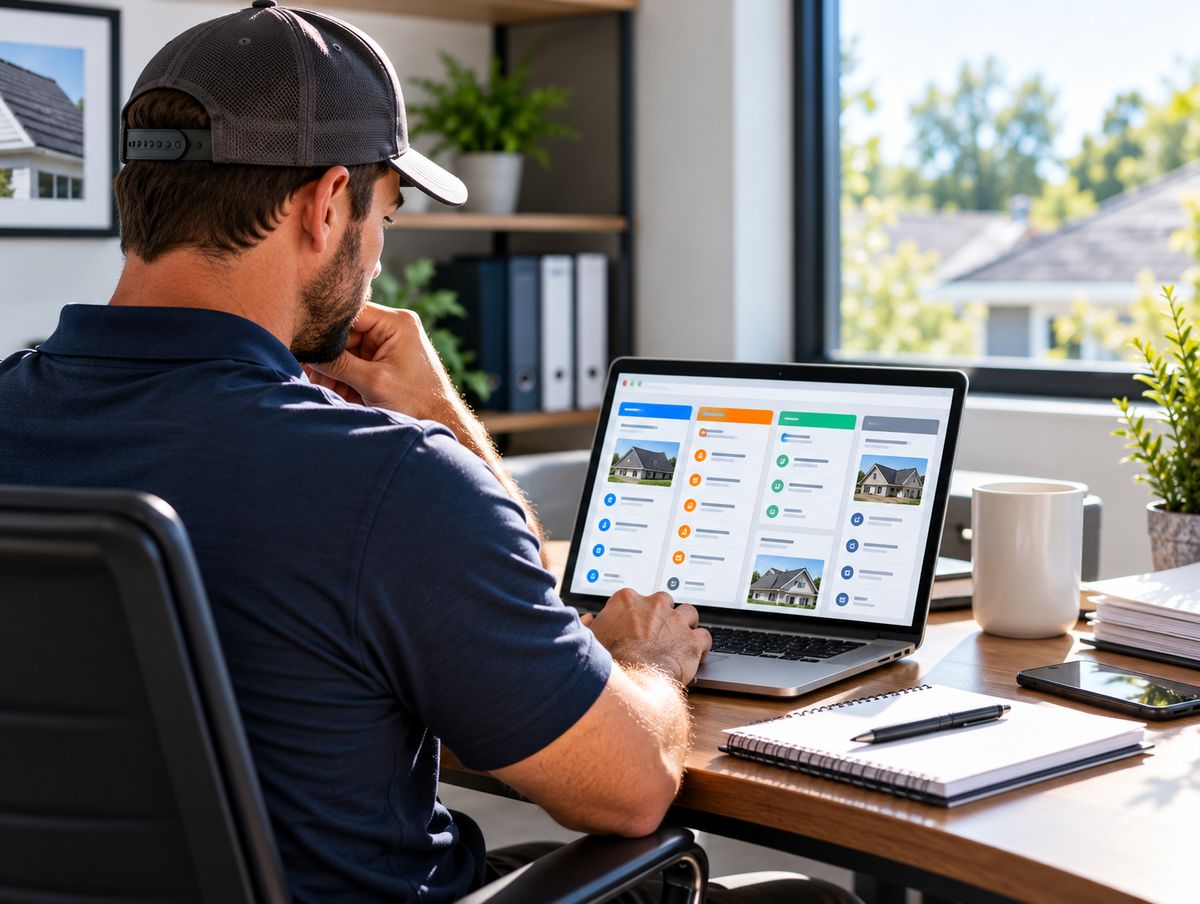
Roof-cleaning businesses need to manage customer communication after the work is complete, especially when algae, moss, and lichen take different amounts of time to clear. Homeowners may have questions about the expected result, and clear follow-up can help set realistic expectations.
FatCamel AI helps home-service businesses explore customer communication and workflow automation. Depending on the business's requirements and systems, workflows can help organize follow-ups, keep customer communication consistent, and reconnect with previous customers when another service may be relevant.
The goal is to reduce repetitive administrative work while keeping communication relevant to the actual service performed. Follow-up messages should reflect the agreed scope, explain realistic timelines, and stop when a customer replies, declines, books, or opts out.
Learn more about FatCamel’s CRM Automation service.
FAQ
1. What are the black streaks on my roof?
On many asphalt-shingle roofs, they are caused by Gloeocapsa magma, a cyanobacterium that creates a dark pigment and streaks in the direction of water flow. Similar-looking discoloration can have other causes, so an inspection is useful when the condition is unclear.
2. Are black roof streaks harmful?
Black streaks on asphalt shingles are often primarily a cosmetic issue, but they should not be confused with moss growth or roof damage. Moss can retain moisture and lift shingle edges, while cracked shingles, missing granules, or leaks may indicate a separate problem. If you are unsure what is causing the discoloration, arrange an inspection.
3. Can I pressure wash black streaks off my roof?
Pressure washing is generally not recommended for asphalt shingles because it can remove protective granules. A suitable low-pressure, solution-assisted method is usually safer when permitted by the roof manufacturer.
4. How long does it take to see results?
Light algae may improve within days or weeks. Moss and lichen usually clear more slowly, sometimes over several weeks or months. Weather and growth severity affect the timeline.
5. Will soft washing damage my plants?
It can if the solution is mishandled, but pre-wetting, runoff management, and thorough rinsing reduce the risk. Ask what plant-protection process the contractor uses.
6. How long do soft-washing results last?
The interval varies with climate, shade, tree cover, roof orientation, material, and recurring growth. A contractor should avoid promising the same schedule for every roof.
7. Can I use a retail product myself?
Some products may address light growth on accessible areas when used exactly as labeled. Roof access and fall safety are the more important considerations; professional service is usually the safer choice for steep, large, or heavily affected roofs.
References
https://3gpressurepro.com/roof-washing-black-streaks-gloeocapsa-
magma/
https://www.owenscorning.com/en-us/roofing/blog/algae-resistance
https://cablepressurewashing.com/black-streaks-on-roof/
https://gravityroof.com/black-streaks-on-your-roof-soft-wash/
https://newhomeglow.com/blog/roof-soft-washing-shingle-algae/
https://www.wetandforget.com/blog/2021/07/21/what-are-the-black-streaks-on-my-roof
https://hicleaners.net/blog/how-to-safely-clean-black-streaks-off-your-asphalt-shingles
https://www.fatcamel.ai/blog/roof-cleaning-cost
https://www.fatcamel.ai/blog/soft-washing-vs-pressure-washing
https://www.fatcamel.ai/services/crm-automationhttps://www.fatcamel.ai/