
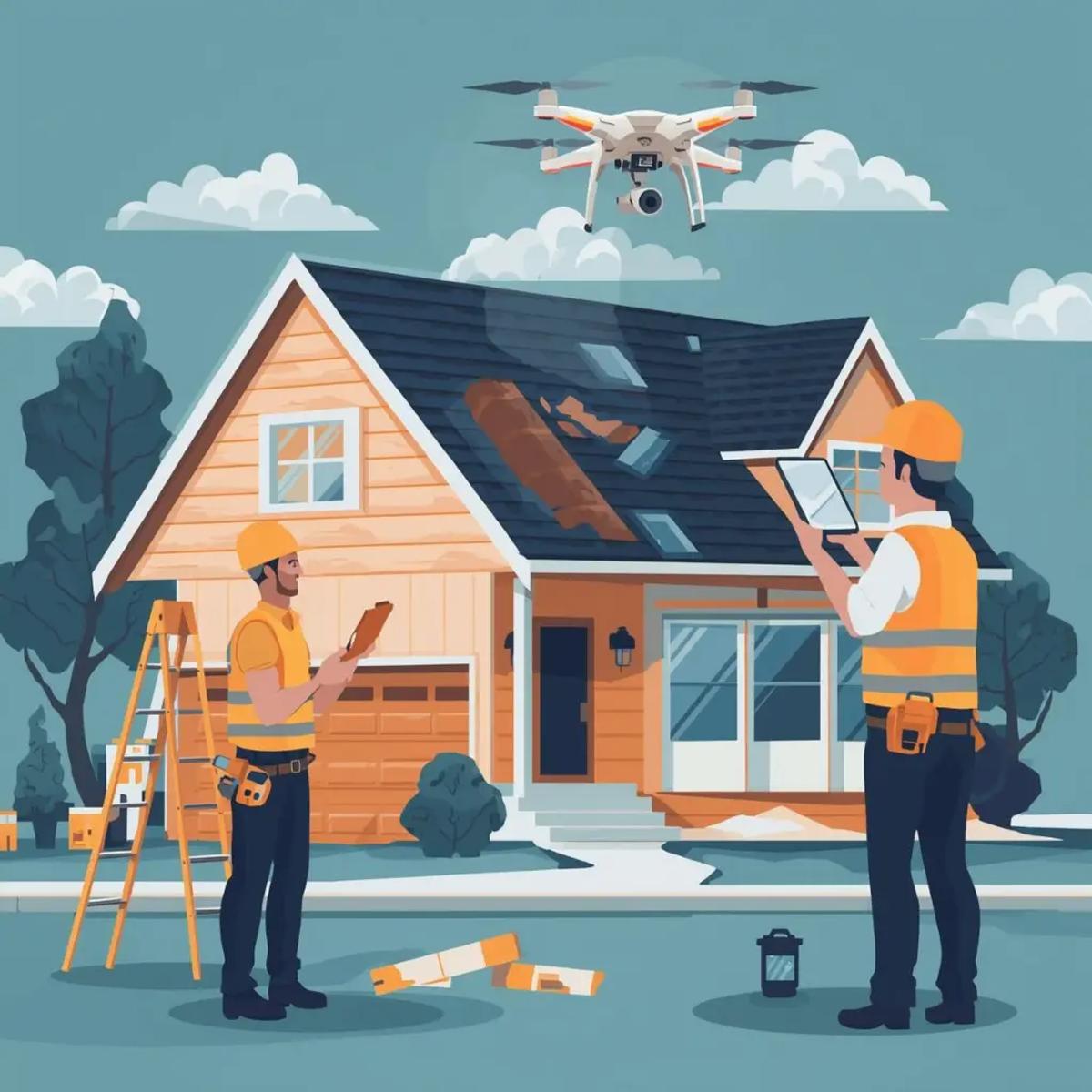
Imagine two roofing contractors responding to the same storm damage call. One shows up with ladders, a notebook, and a tape measure. The other arrives with a drone, runs an AI-powered scan, and delivers a detailed estimate before the first contractor even climbs onto the roof.
Who do you think leaves the stronger impression?
Roofing has always been built on skill, speed, and reputation. But with the changing times, the definition of these terms is also changing. Today, speed means giving customers instant responses with accuracy. Competition is getting sharper and better.
In reality, the industry is rapidly yet gradually evolving. Artificial intelligence is making its way into client communication, scheduling, estimates, and inspections.
This has nothing to do with roofers being replaced by machines. The goal is to provide roofing companies with improved tools so they can operate more efficiently, profitably, and quickly.
The roofing industry's future is already taking shape. Whether your company will adjust to it or lag is the only real question.
Read more here about Free Telegram Automation Using n8n
AI-Powered Inspections: From Ladders to Drone Intelligence
Earlier, roof inspections depended entirely on manual effort. The crew members would us stairs to climb up, then they would inspect everything with their eyes, take photos to document the prevalent issues. This process was slow, risky, and somewhat inconsistent.
Drone inspections powered by AI are now radically altering that procedure as a result of technological advancements.
A drone with thermal imaging capabilities quickly examines a roof. In a matter of minutes, it can identify structural abnormalities, retained moisture, heat loss, and damaged regions. AI software saves time by automatically identifying possible problems in the images. Contractors receive data-driven, precise, and consistent insights.
Because fewer members must scale steep or shaky roofs, there are fewer injuries and a decreased need for safety gear, which further enhances safety.
AI inspections aid in paperwork as well. Clear evidence of damage is necessary for insurance claims. Reports produced by drones with visual annotations streamline the approval procedure.
Therefore, speed, accuracy, and risk all improve as a result of AI. This gives a competitive advantage.
Smart and Connected Roofing Systems
Passive roofs are no longer the norm. These systems are evolving into active ones.
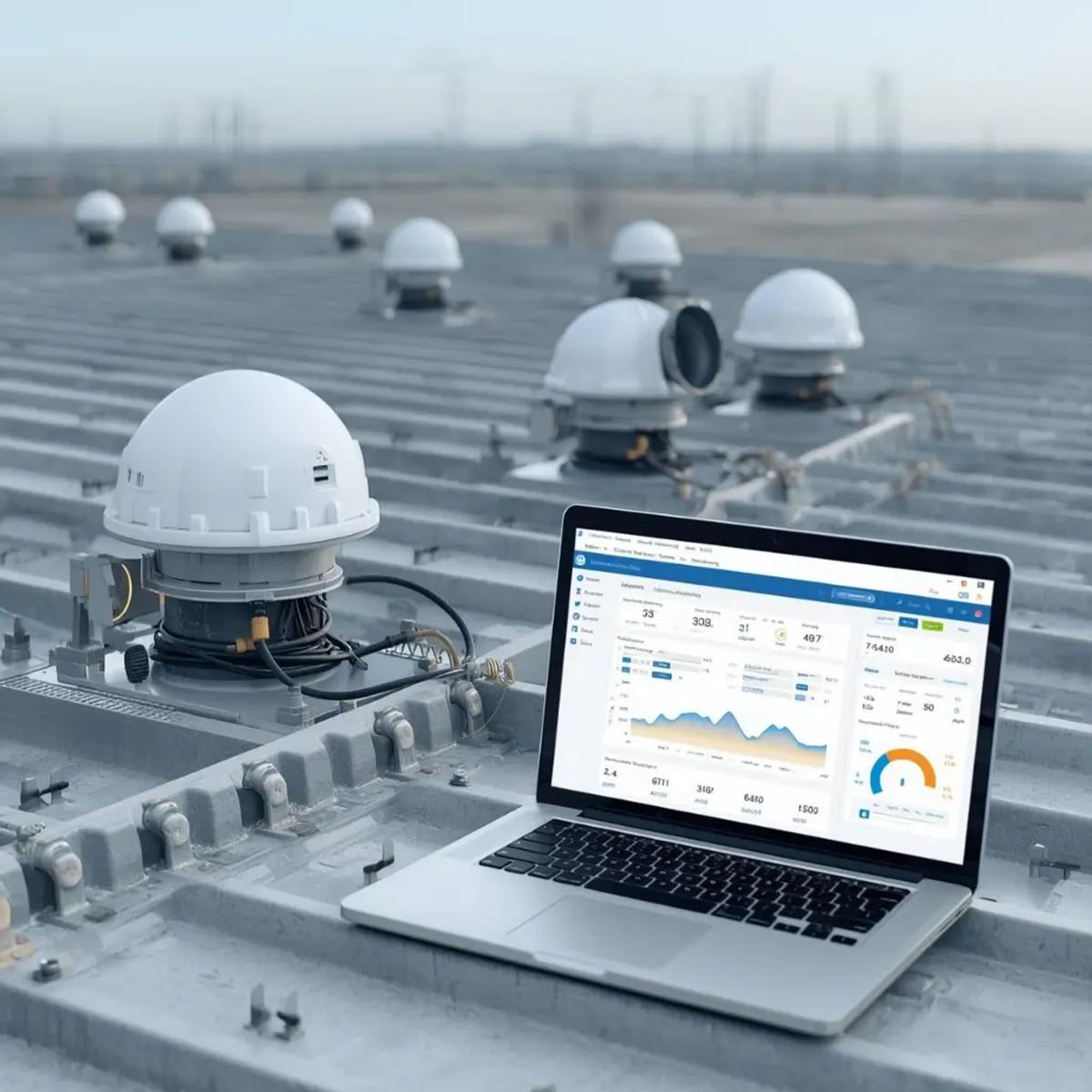
Buildings may now use roof sensors for real-time monitoring, leak detection, and moisture detection thanks to smart roof systems. The method notifies property owners as soon as an issue arises rather than waiting for obvious harm.
These roofs are connected to dashboards using Internet of Things technology, enabling remote monitoring from any location. Several buildings can be tracked simultaneously by a business property owner without having to visit the location.
In colder climates, some systems even incorporate heated roofs for snow and ice management and automated insulation modifications.
AI forecasts maintenance requirements by analyzing incoming sensor data. As a result, proactive maintenance replaces reactive roofing repairs.
Businesses prevent leaks rather than repairing them after damage has occurred.
Read more here about Free WhatsApp Automation Using n8n
Advanced Roofing Materials and Technologies
AI is not limited only to the processes. It is also changing the material used in the roofing.
Self-healing materials are used in modern roofing. They can stop small cracks from becoming larger leaks. These materials extend the roofing's lifespan and lower its maintenance expenses.
Self-cleaning roofs, which use specific coatings to keep dirt and debris away, are another significant development. This increases durability and maintains surface integrity.
Performance has also increased with the introduction of synthetic material alternatives. In addition to being lighter and stronger, these materials are often more resistant to harsh environments.
Silicone roofing has become more common in commercial settings because it can tolerate high temperatures and standing water. When used with reflective roofing materials, it helps reduce energy consumption by reflecting heat away from buildings.
Design accuracy has significantly risen with the use of computer-aided design (CAD). Contractors can now create complex computer models of roofing systems before installation begins. Prototypes for complex architectural projects or specially made roofing components are examples of more advanced 3D printing applications.
Workplaces may see additional changes in the future due to automation. Among the ideas being assessed to speed up installation and reduce the physical strain on workers are robotic shingle installers.
Roofs are becoming smarter even before they are constructed, thanks to technology.
Read more here about Free LinkedIn Automation Tool – A Complete Guide
Resilience and Weather Resistance in an Unpredictable Climate
The frequency of extreme weather events is rising. Storms are more powerful. Heat waves are more persistent. Conditions for snow and ice change.
Roofing needs to change.
AI assists in the analysis of local climatic data and makes material recommendations. For instance, modified asphalt systems, impact-resistant shingles, and wind-resistant shingles are becoming popular in storm-prone areas.
Strong coating processes and materials with excellent UV radiation protection prevent premature wear in places that receive a lot of sunlight.
Because of their endurance, metal roofs, clay and concrete tiles, and sophisticated synthetic underlayments are also becoming more and more popular.
AI modeling methods can forecast the performance of certain materials over time and mimic long-term weather exposure. This encourages more intelligent client recommendations.
Contractors can sell what is optimal rather than what is standard.
Solar and Energy-Efficient Roofing
Energy efficiency is something that is not only needed but expected.
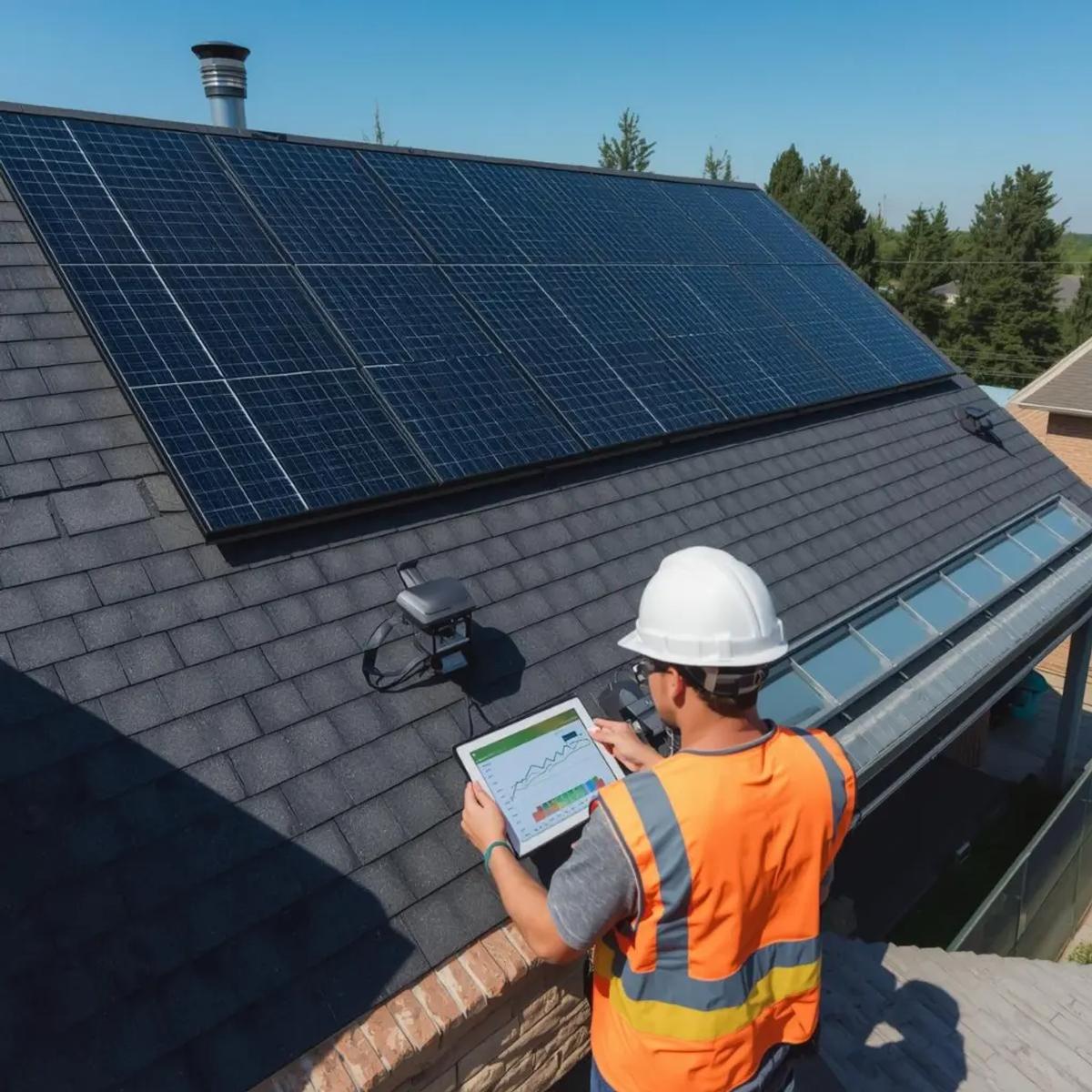
Photovoltaic (PV) systems, solar roofs, and solar shingles are now all included directly in the design of modern roofing. Building-integrated photovoltaics (BIPV) is becoming more and more common in roofing systems, as opposed to mounting panels as an afterthought.
Transparent solar panels for specific uses are among the advancements.
AI is used to predict energy output, integrate with energy storage systems, and choose the best location for solar panels.
Beyond solar, heat absorption is decreased by cool-colored roofing, solar-reflective coatings, and high-thermal-emittance materials. These solutions lower cooling costs and improve building efficiency.
Contractors who understand these systems position themselves not just as roof installers, but as energy solution providers.
Read more here about Free LinkedIn Automation
Customization and Design Trends
Homeowners nowadays desire more than just security. They desire style.
Before committing, customers can use AI-powered design tools that use computer-aided design (CAD) to view architectural roof designs, try out custom roof colors, and test out different color combinations.
High-end solutions, including designer shingles, specialist shingles, and impact-resistant products like Armourshake or Royal Estate-type shingles, appeal to homeowners who want both performance and style.
To demonstrate to clients the precise look of their property, contractors may utilize digital modeling. Closing rates rise, and decision cycles are shortened as a result.
The process of customization is getting simpler, quicker, and more accurate.
Industry Trends and the Labor Market
The lack of workers is one of the main issues facing the roofing industry.
Rising labor prices, changing building requirements, and a growing demand for trained workers are all challenges facing the business. Although the pool of qualified specialists is small, the employment growth rate in the construction industry indicates consistent demand.
Jobs are not eliminated by AI. They are altered by it.
Scheduling becomes more effective with the use of solutions such as field service management software. Crews spend more time installing and less time coordinating.
Technology literacy is becoming a part of training programs and educational courses. These days, workforce development includes instruction in digital project management software, drone operation, and AI report interpretation.
As roofers transition into tech-enabled professions, their earning potential increases, frequently surpassing the median annual income.
Sustainable and Eco-Friendly Roofing Solutions
Sustainability is more than a marketing scheme these days. Businesses are starting to need it.
Homeowners, business owners, and municipalities are asking more challenging questions. How energy-efficient is this roof? How long will it last? What impact does it have on the environment?
AI is helping roofing companies by providing data-driven responses to those queries.
Modern cool roofs and cool roof coatings save energy and lower interior temperatures by decreasing heat absorption. In hotter climates, reflecting coatings and contemporary energy-efficient technology enhance building performance.
As environmental consciousness increases, recycled and salvaged roofing materials are becoming more and more fashionable. These days, several producers offer long-lasting metal roofing solutions that cut waste and last for decades, as well as recyclable roofing materials.
Green roofs, which promote vegetation, enhance insulation, and aid in rainwater management, are found on some commercial buildings. By simulating how these systems operate over time, AI techniques can assist contractors in producing precise long-term forecasts.
AI-driven performance models are increasingly being used to optimize natural insulators and solar roofing systems.
For roofing companies, this shift opens up new opportunities. Clients are more inclined to invest when they understand the long-term energy savings and environmental repercussions.
Additionally, contractors have a clear financial advantage if they are aware of government-sponsored incentives that encourage energy-efficient modifications.
Read more here about Free Email Automation Using n8n
AI in Project Management and Field Operations
AI is changing more than just materials and inspections. It is changing the back-end operations of roofing companies.
Scheduling has never been simple. Weather delays, crew availability, material shipments, and emergency repairs can disrupt even the most carefully planned calendar.
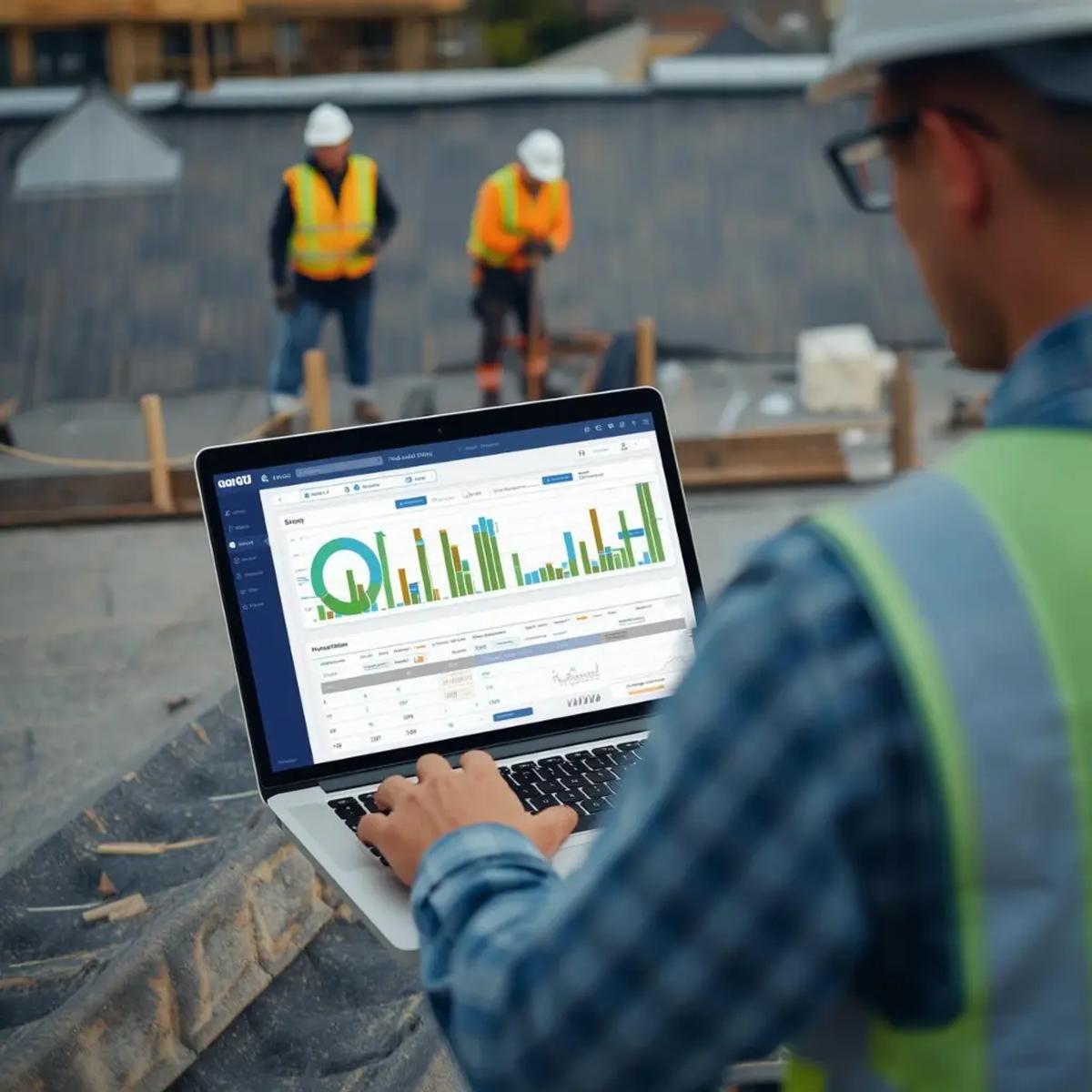
With AI-powered field service management systems, roofing companies can predict scheduling conflicts, optimize crew routes, and reduce downtime. These systems analyze past job data, worker productivity, and even weather patterns to create smarter, more reliable schedules.
Instead of reacting to problems, managers can anticipate them and stay ahead.
AI is also capable of real-time inventory tracking and material usage monitoring. By doing this, waste is decreased, and expensive project delays are avoided.
Customer communication improves as well. Throughout the course of a project, AI chat systems can schedule inspections, provide automated updates, and rapidly answer questions. Without employees devoting hours to manual follow-ups, customers feel informed.
Higher client satisfaction and more efficient operations are the outcomes.
Predictive Maintenance: Fixing Problems Before They Happen
Traditionally, roof maintenance has been reactive: a leak appears, a client calls, and a repair is scheduled. The pattern is predictable: problems come first, action follows.
Artificial Intelligence changes that approach. AI systems use moisture detection, real-time monitoring, and historical performance data to predict when materials are likely to fail. Contractors can then recommend preventive maintenance before any visible damage occurs.
This fosters trust. Roofing firms present themselves as long-term partners in building protection rather than offering emergency repairs.
Predictive maintenance can prevent damage and business interruption, saving thousands of dollars for commercial clients who manage several sites.
For roofing companies, it also generates potential for recurring revenue.
Workforce Development in an AI-Driven Industry
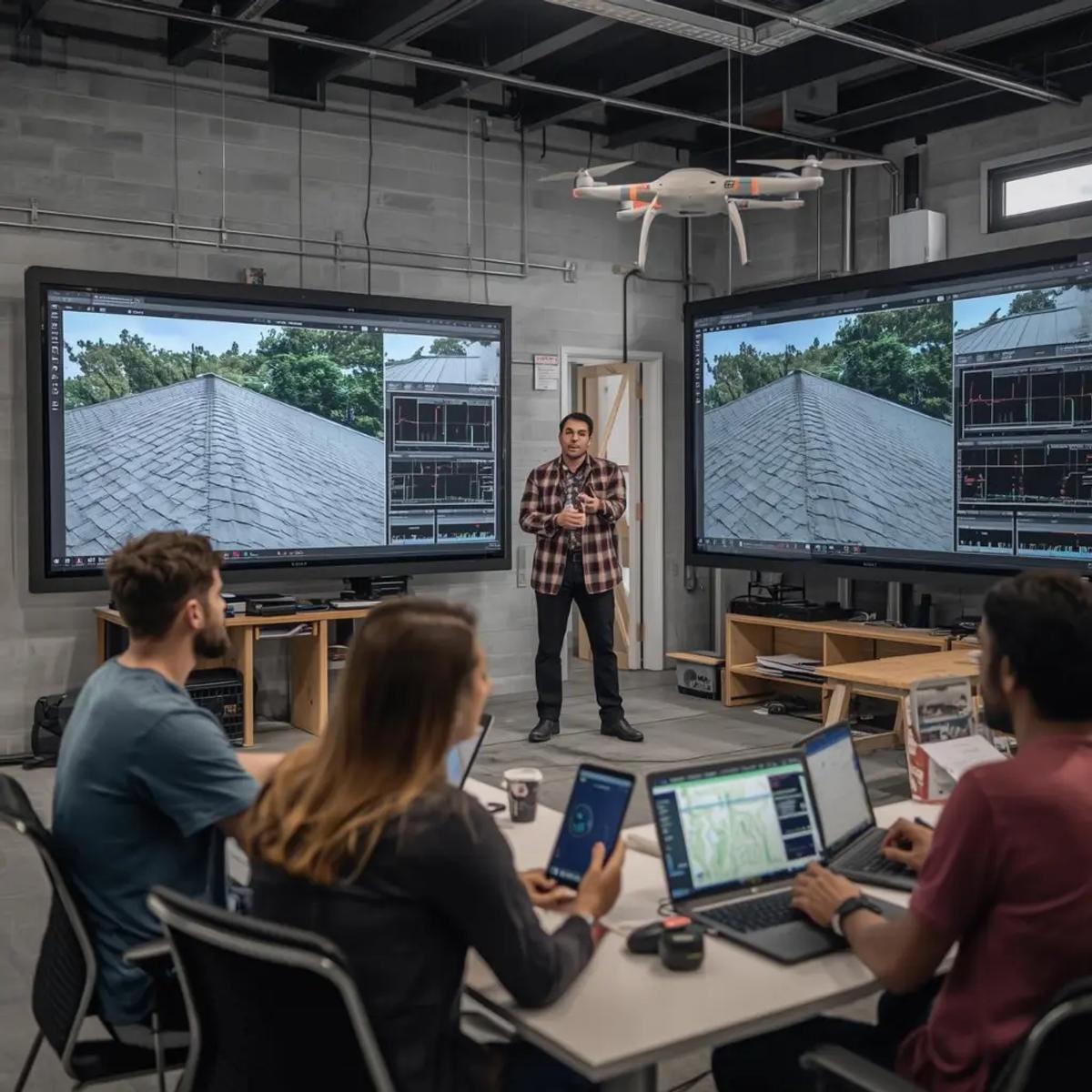
It makes sense that people are worried about AI replacing human labor. That worry is mostly unfounded when it comes to roofing.
Human talent is still needed for roof installation, repair, and workmanship. AI alters the effectiveness with which certain abilities are applied.
Drone operation, data analysis, and digital project management are all included in new training courses. Roofers are being assisted in adjusting to new technologies through educational workshops.
AI changes the nature of labor rather than eliminating jobs. Technology-savvy employees can assume more important positions. As fewer employees must scale hazardous areas for routine inspections, safety increases.
AI enables roofing companies to do more with their current crews at a time when the sector is still struggling with a labor crisis.
That isn’t a substitute. It is empowerment.
Customization, Visualization, and Customer Experience
The modern consumer demands greater openness.
Before the roof is installed, they would like to see how it will look. They seek to comprehend material decisions. They need clarification regarding energy savings and durability.
AI-powered visualization tools integrated with computer-aided design allow contractors to present realistic models of architectural roof styles, custom color options, and designer shingles.
Instead of relying on guesswork, customers can see their own homes with different color combinations, specialty shingles, or upgraded impact-resistant materials. As a result, decisions are made faster and with less hesitation. When customers feel confident and secure, closing rates naturally increase.
Solar Integration and the Energy Shift
Roofing's identity is evolving to include energy production.
Roofs are becoming power generators thanks to integrated photovoltaic systems, solar shingles, and solar roofs.
AI aids in return on investment calculations, energy output prediction, and optimal panel installation. Additionally, it facilitates integration with energy storage systems, which enables more effective power management for households.
Beyond solar, AI helps improve total energy performance, solar reflective coating, and thermal emittance.
Understanding energy systems helps roofing firms add value to their offerings. They do more than simply install roofs anymore. They are providing solutions that use less energy.
Customers' perception of the company is altered by this change.
Market Dynamics and Competitive Pressure
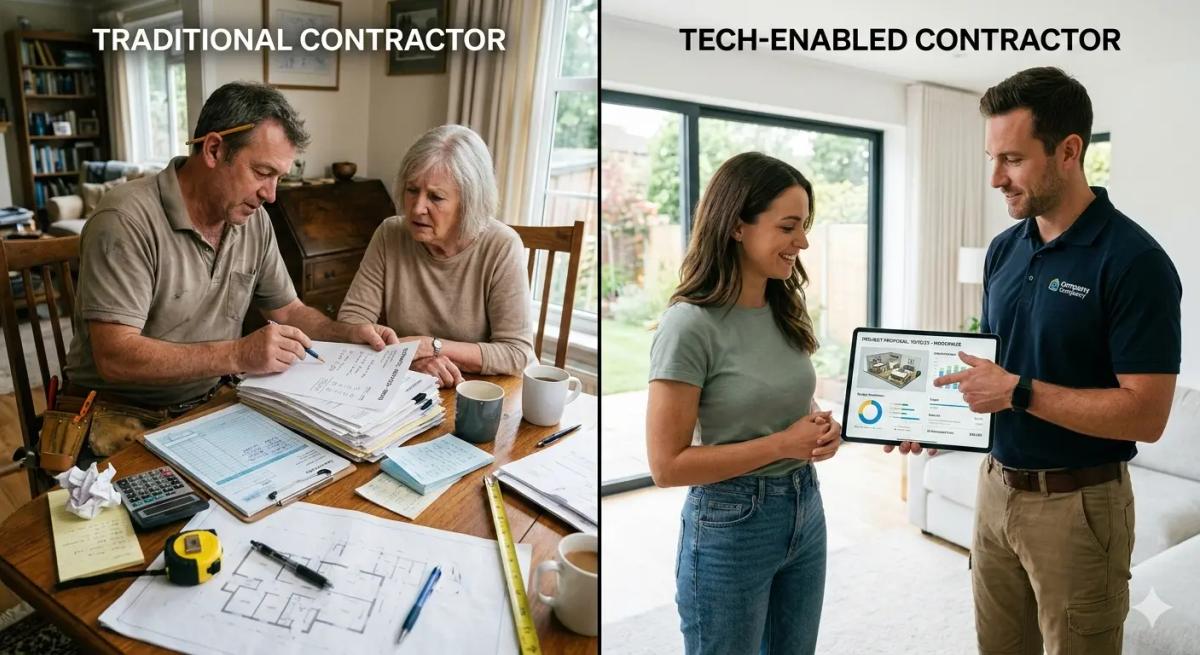
The roofing sector is rapidly changing.
Businesses are being forced to run more efficiently due to shifting market conditions, more stringent building regulations, and growing material costs.
Consumers now use the internet to compare businesses. The time of response, quality of the documentation, and openness are important.
Contractors who use AI-powered inspections, automated estimations, and intelligent project management will nearly always do better than those who only use manual procedures.
Not because they're better at it.
However, they are more effective.
Efficiency eventually becomes a reputation. Market share is derived from reputation.
So, What Does This Mean for Your Roofing Business?
You don't have to start a tech company right away.
Tomorrow, you won't require robotic shingle installers.
However, it is no longer feasible to ignore AI entirely.
Start modestly.
Put drone inspections into action. Make use of estimating tools driven by AI. Examine software for field service management. Provide data-backed energy-efficient roofing alternatives.
It's not about replacing experience. It is to improve it.
Protection has always been the goal of roofing. These days, performance, intelligence, and long-term worth are also important considerations.
The Roof of the Future Is Smarter Than Ever
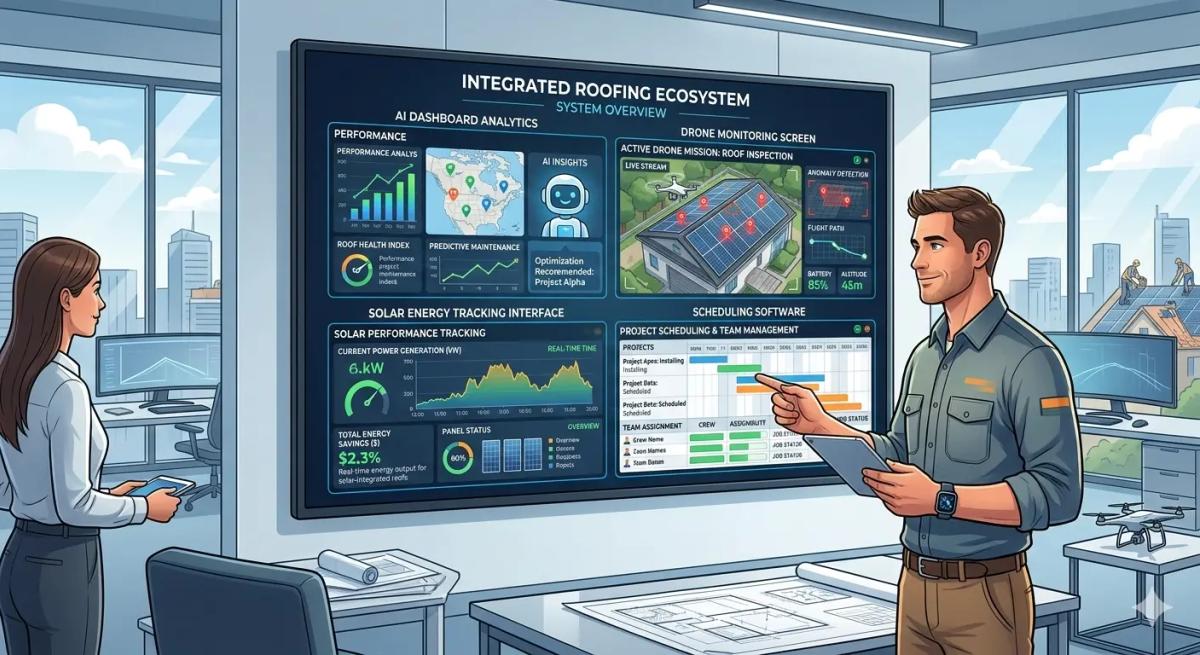
There isn’t just one innovation that will shape the future of roofing. It is the integration of many.
There are intelligent materials, connected sensors, predictive maintenance, solar integration, AI-driven inspections, and data-based project management.
All working together.
Roofing companies that embrace these changes will operate faster, safer, and more profitably. Those that don’t may be forced to compete on price alone. That is a risky position in a tightening market.
Final Thoughts: Adapt Now or Catch Up Later
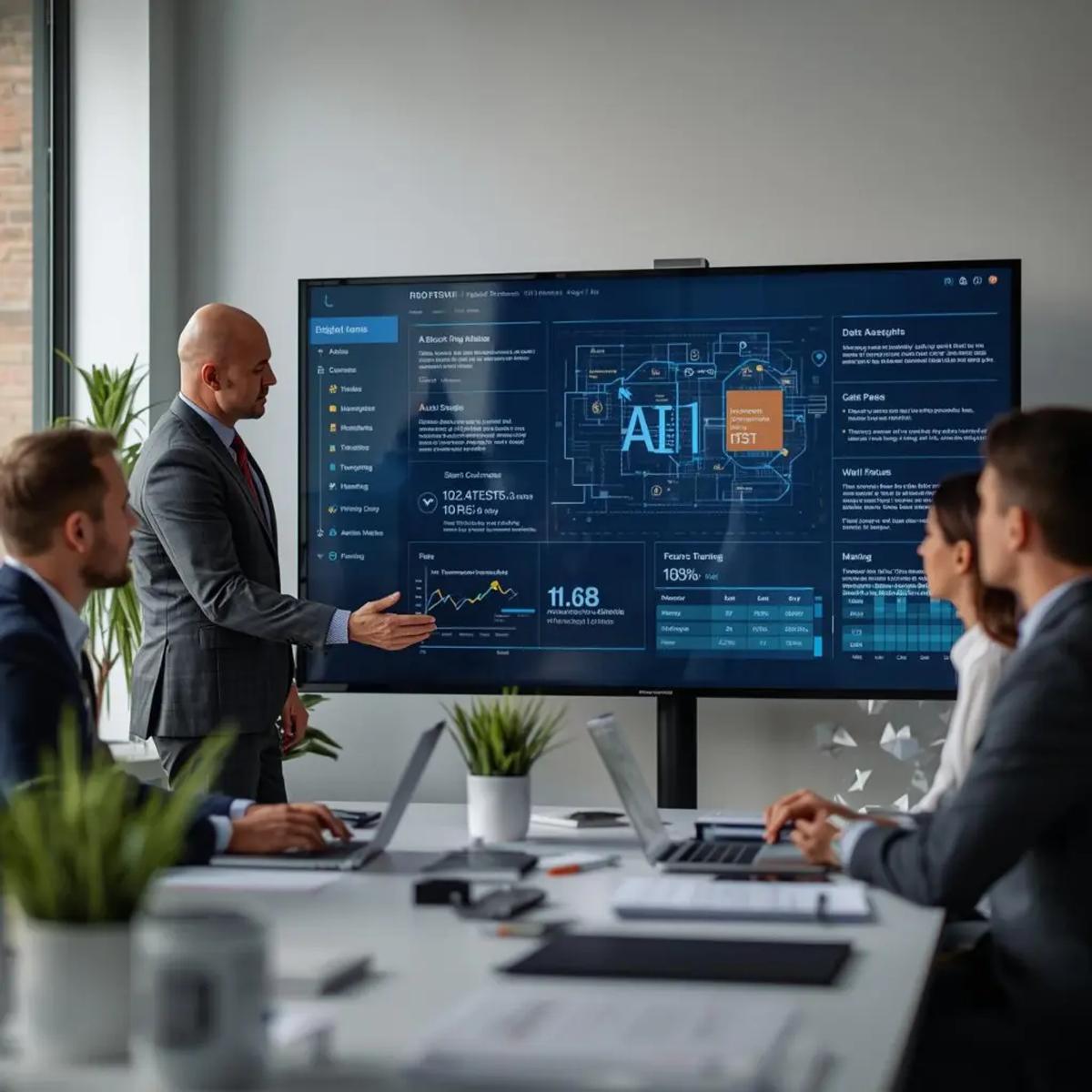
AI is revolutionizing roofing, from worker development to customer communication, from roofing materials to inspections. AI has updated every segment of the process.
This is not happening because of the AI hype. It is happening as it increases sustainability, efficiency, and safety.
It is not the time to think about whether AI will affect you if you own a roofing company, because it already is holding its ground in the game.
The true question is whether you'll use technology to boost your business, increase your profit margins, and provide better customer service, or if you'll let rivals take the lead.
The future's roof is not only more resilient but also more intelligent.
And your company cannot afford to overlook that.