

The roofing world is going through a huge digital shift right now.
Things that once felt “too techy” for this industry are slowly becoming everyday tools.
And honestly, it makes sense.
Contractors want to work faster, communicate better, and avoid costly mistakes.
That’s exactly where AI in roofing is starting to make a real difference.
For years, people thought artificial intelligence was only for massive tech companies.
But today, even small roofing businesses are using it to simplify routine tasks, reduce paperwork, and understand their customers better.
Tools that used to take hours now take minutes, and decisions that relied only on experience are supported by solid data.
If you’ve ever wondered how to use AI for roofing companies, you’re asking that question at the perfect time.
Homeowners expect quick responses.
Teams want easier workflows.
And businesses need systems that help them grow without burning out their staff.
Using AI for roofing services isn’t about following a trend.
It’s about rethinking how your company works, how you handle jobs, how you talk to customers, and how you plan your schedules and estimates.
When used the right way, AI can help roofing companies cut delays, stay organised, and deliver a smoother experience from the first call to the final clean-up.
In this guide, we’ll walk through ten simple and practical ways you can use artificial intelligence in roofing to improve your operations, keep your customers happy, and grow your revenue without adding extra stress to your team.
1. Automated Roof Inspection Using Drone Technology and AI
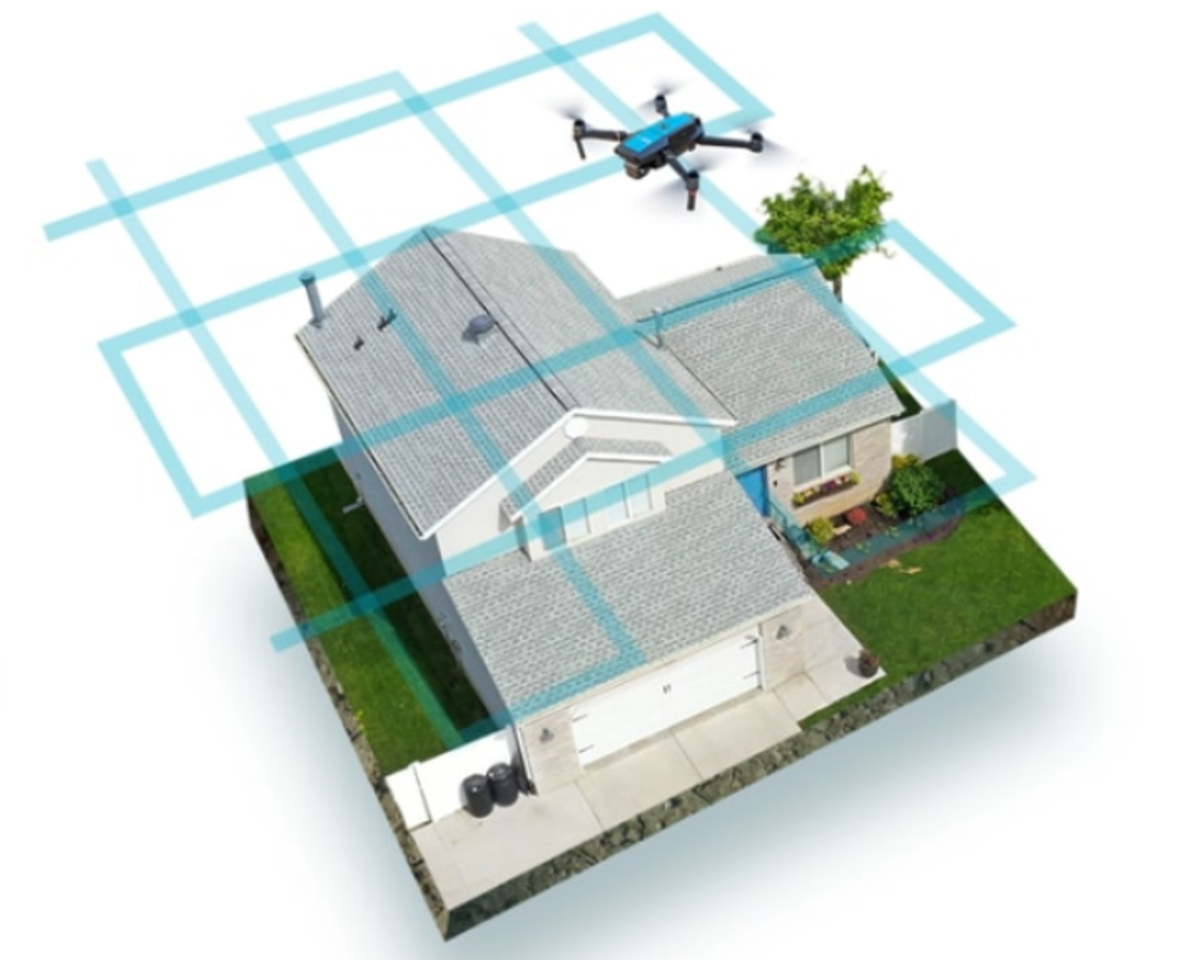
Traditional roof inspections take time, require climbing onto risky surfaces, and often depend on the inspector’s personal judgment.
It works, but it’s not always safe or consistent.
That’s where AI-powered roof inspections are changing the game.
Today, contractors can send up a small drone with a clear, high-resolution camera.
In just a short flight, it captures images from every angle.
The software behind it does the real magic.
Once the photos are uploaded, AI roofing technology scans them carefully.
It picks up things like loose shingles, small cracks, water damage, and weak spots that a quick glance might miss.
The system looks at thousands of tiny details that humans simply don’t have time to analyze one by one.
It creates an easy-to-understand report with measurements and damage highlights.
What usually takes hours can now be done in a fraction of the time, and without putting anyone in danger.
This doesn’t just improve safety.
It also helps contractors give customers clear visual proof of what’s happening on their roof.
These reports make estimates more accurate, make conversations easier, and often help during insurance claims.
Many insurers now accept AI roof inspection reports because they’re detailed and consistent.
2. Predictive Maintenance and Lifecycle Management
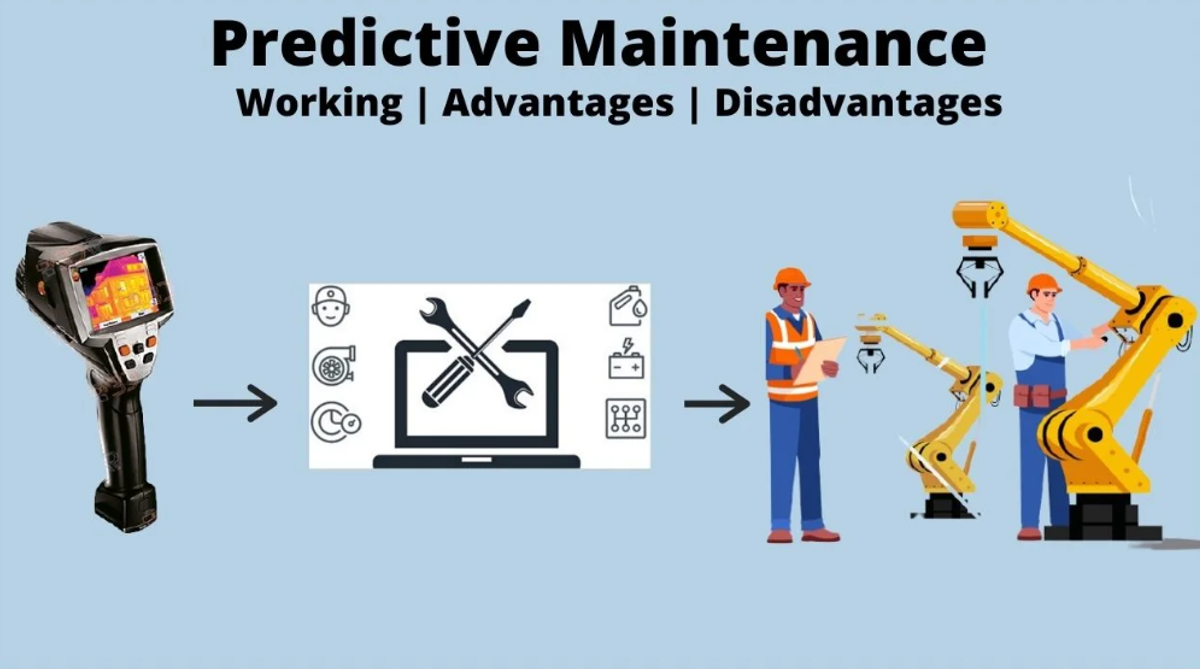
AI excels at spotting patterns that we humans often overlook.
When you bring this ability into the roofing world, it turns into predictive maintenance for roofs, helping companies understand what might go wrong before it actually does.
The system looks at simple but important details like roof age, the type of roofing material, and how the local weather behaves throughout the year.
It also checks past repair history and day-to-day environmental conditions to figure out when a roof might need attention.
This helps roofing companies reach out to homeowners long before a small issue becomes an expensive mess.
For customers, this means fewer surprises and more peace of mind because they’re fixing problems early instead of waiting for leaks or structural damage.
These smart systems also study things like temperature changes, rainfall, wind exposure, and even sunlight intensity to understand how fast a roof is wearing down.
Once the system figures everything out, it can automatically create a maintenance plan and even send reminders so nothing gets missed.
This makes your roofing business look like a supportive, proactive partner rather than a company that only shows up when things go wrong.
It keeps customers happy, strengthens long-term relationships, and helps them get more years out of their roofs, which naturally builds trust and repeat business.
3. Intelligent Customer Relationship Management
Customer relationship management plays a major role in how well a roofing business grows.
It is not just about storing phone numbers anymore.
With AI roofing CRM tools, companies can finally understand their customers on a deeper level.
These smart systems study how customers talk, respond, and behave.
They figure out when a lead is most likely to pick up a call.
They also predict which homeowner has a higher chance of booking a service.
This helps your team reach the right people at the right time without wasting effort.
A good AI CRM for roofing companies groups your customers into meaningful categories.
For example, it can find homeowners who may need a new roof soon based on roof age, neighborhood weather, and past service history.
This makes targeted marketing much easier.
AI tools also handle routine tasks automatically.
They send follow up messages.
They create simple email campaigns.
They remind your team about leads that need attention.
Nothing gets missed.
Every customer gets timely communication.
Over time, the system learns from every chat, call, and email.
It keeps getting better over time, learning from every customer conversation and adjusting its suggestions naturally.
It also helps your team figure out which leads are ready to move forward and which ones need a little more attention.
All of this makes your sales process feel smoother, improves how customers experience your service, and ultimately helps you close more roofing deals with less effort.
4. AI-Powered Lead Generation and Qualification
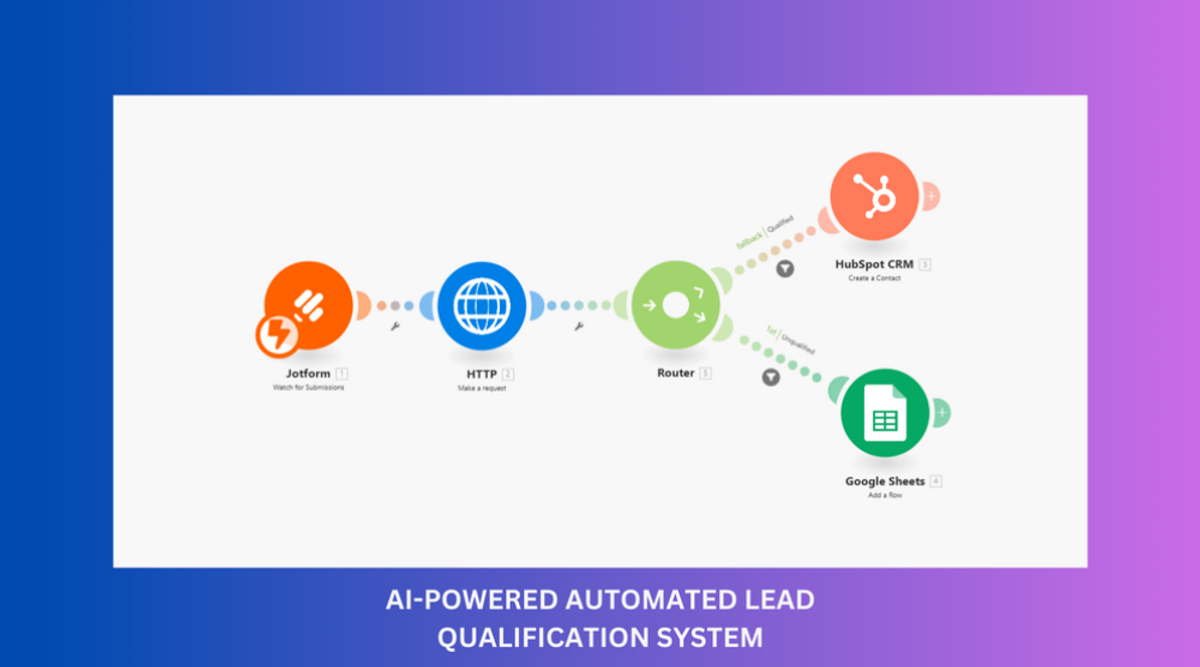
Generating good leads is honestly one of the toughest parts of running a roofing business.
It feels like you’re always chasing people who may or may not actually need help with their roof.
That’s where AI lead generation for roofers quietly steps in and makes life easier.
Instead of guessing who might need a repair or replacement, AI goes through tons of real-world information, like how old a home is, what the last storm season looked like in that area, and even how people behave online, and helps you find the folks who are most likely to need roofing work soon.
On your website, AI chatbots for roofing businesses can talk to visitors even when you’re asleep.
They answer basic questions, collect details, and figure out whether someone is a serious lead or just browsing.
It’s like having a receptionist who never gets tired and never misses a message.
AI can even look at where your leads are coming from and tell you which marketing channels actually bring paying customers.
So instead of throwing money everywhere, you can focus on the ads and campaigns that are working.
And the best part?
AI scores your leads automatically.
That means your sales team knows exactly who to call first, instead of wasting time on people who aren’t ready.
It’s practical.
It’s simple.
And it saves a lot of time you’d otherwise spend running behind the wrong leads.
5. Dynamic Pricing and Estimation Tools

Putting together a clear and honest roofing estimate can feel like a race against time, especially when customers want answers fast.
Modern tools using AI roofing software, roof estimate tools, and roofing pricing technology simply make this whole process easier and faster, but here’s the human explanation of how it actually feels in real life.
Instead of sitting with calculators, old quotes, and scribbled notes, these tools quietly sort through the numbers in the background.
They look at things like material prices, how much labor a job might take, and even what the market in your area is doing.
You get an estimate that feels realistic, not rushed, not guessed.
What makes it even more helpful is that the system learns from your old projects.
If you’ve done a similar roof before, the tool remembers what worked and what didn’t.
So the next time you create a quote, it nudges you toward a price that’s fair for the customer and still profitable for your business.
Another small but useful thing: it keeps an eye on prices of shingles, nails, and other materials.
When the cost goes up or down, the software adjusts the estimate automatically.
This takes off the pressure of tracking every tiny change yourself.
It also gives suggestions based on the home you’re inspecting.
For example, if the house sits in a storm-heavy area, the system might recommend stronger materials.
It’s like having a quiet assistant who reminds you of things you already know, but might forget during a busy day.
All of this removes the guesswork and helps roofing companies feel more confident about what they’re charging.
The customer gets a clear explanation, and you get a quote that actually supports your bottom line.
6. Intelligent Scheduling and Resource Optimization
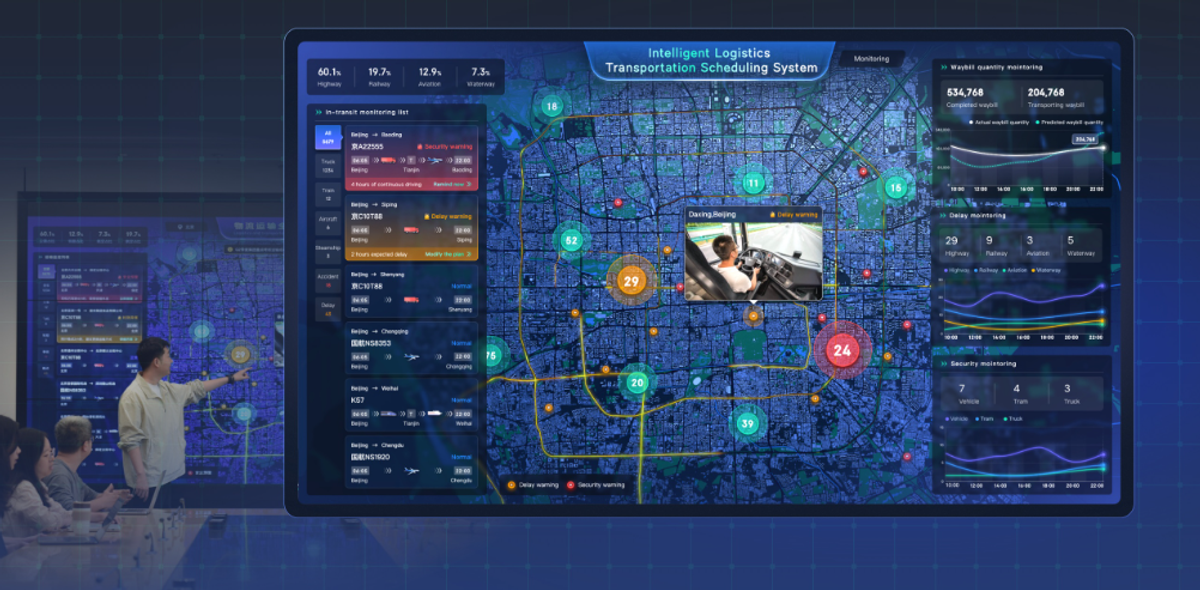
Running a roofing business gets messy when you’re juggling crews, materials, and customer deadlines. It becomes even harder as your company grows. This is where AI project scheduling quietly steps in and makes life a lot easier.
An AI scheduling system looks at everything happening in your business at the same time. It checks your crew’s skill levels. It reviews which jobs are urgent. It even keeps an eye on materials and travel time. All of this helps you plan your day without the usual chaos.
The tool constantly watches the weather too. If it sees rain or extreme heat coming, it adjusts the plan for you. This saves you from angry customers and half-done projects. The best part is that the system learns from your past jobs and gives you more accurate timelines over time.
It also helps with routing. Your teams spend less time on the road and more time actually fixing roofs. This makes your operation smoother and boosts productivity without extra effort.
When the system learns which crews work well together, it becomes even smarter. It places the right people on the right job. No more guessing. No more overbooking. Just clean, organized schedules powered by AI roofing management that feel easy to follow.
Emergency repairs also get slotted in quickly without destroying the whole day’s plan. Everything stays balanced.
7. Automated Marketing and Content Creation
Consistent marketing keeps your pipeline full, but it's usually the first thing that gets ignored when roofing companies hit their busy season.
You're juggling emergency repairs, tracking down materials, and trying to keep crews on schedule, so posting online slips to the bottom of the list.
That’s exactly where AI marketing tools start proving their value.
These tools quietly keep your marketing running in the background.
They handle your social media marketing, send automated emails, and even help create roofing blog content while you’re busy on job sites.
It’s basically the extra set of hands every contractor wishes they had.
What makes them smart is how they study what actually works.
If your post about spotting hail damage gets great engagement, the AI notices and creates more content around similar roofing tips.
Past customers automatically get maintenance reminders, while new leads receive helpful info about roof replacement or picking the right materials.
Every person gets messages tailored to where they are in their journey.
Advertising is where these tools really shine.
Instead of guessing which ads will work, the system watches your roofing ads in real time. If one headline pulls in more calls, the AI shifts the budget to that version.
If certain neighborhoods respond better to before-and-after roofing photos, the system automatically shows more of that content in those areas.
No wasted spend, just smarter targeting powered by real data.
For roofing businesses, this means less stress and more time doing what actually earns money.
No more late-night scrambling to write posts or figure out why your Google ads aren’t working.
The AI handles the busywork, and you stay focused on estimates, customer relationships, and delivering high-quality roofing services.
Your marketing stays active whether you're fixing shingles, talking to an adjuster, or finally taking a day off.
8. Image Recognition for Damage Assessment
When customers contact roofing companies, they usually struggle to explain what's wrong with their roof.
They'll say things like "there's a leak" or "some shingles look bad," but that doesn't tell you much.
Are we talking about a missing shingle or rotted decking?
Is it an emergency or routine maintenance?
AI-powered image recognition technology solves this communication gap.
Homeowners snap a few photos on their phone, upload them through your website or app, and the system analyzes what it's looking at.
The AI can tell the difference between surface-level cosmetic issues and serious structural problems that need immediate attention.
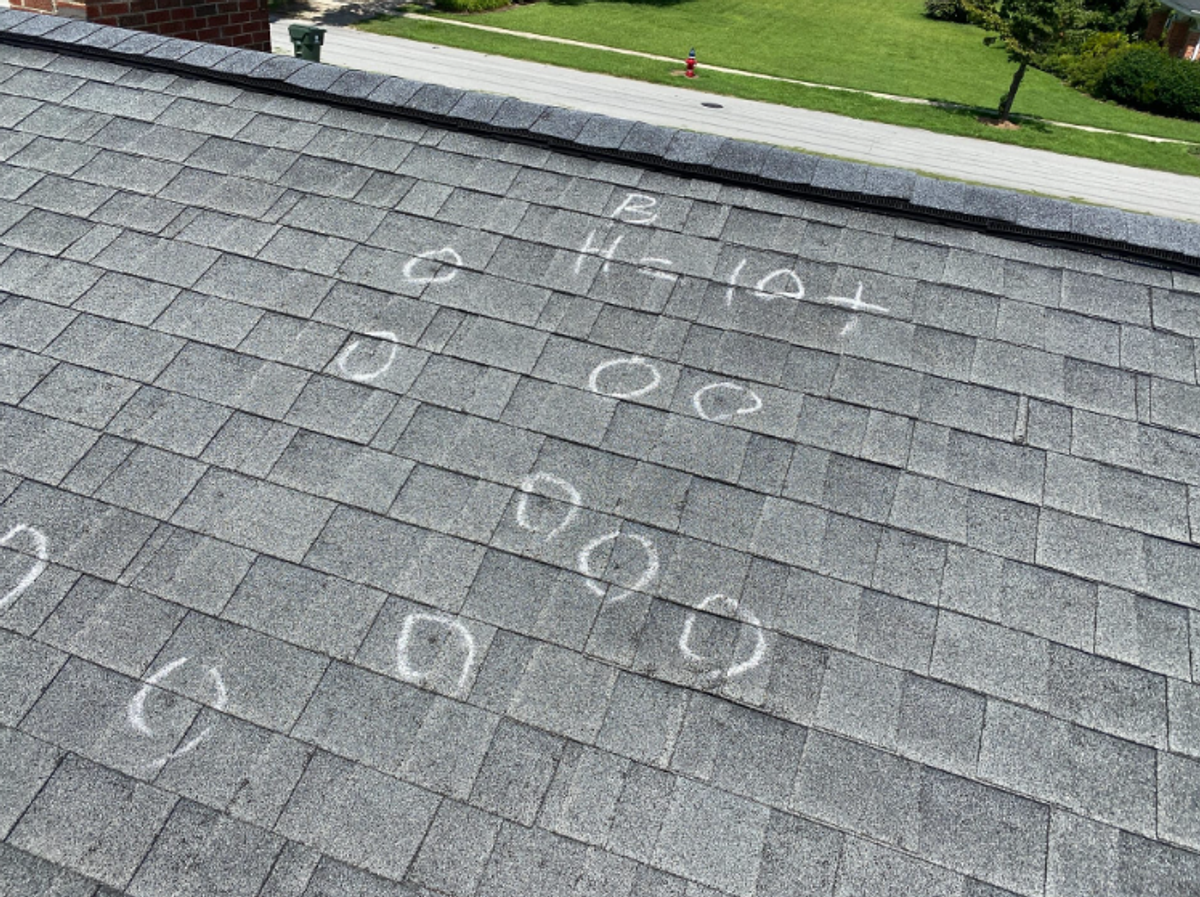
It spots specific damage types, hail dents, wind tears, flashing that's pulling away, gutters packed with debris, or moss taking over a north-facing slope.
Within seconds, customers get a preliminary assessment.
They're not left wondering if their situation is urgent or if it can wait a few weeks.
Meanwhile, your office has real information to work with when preparing estimates.
This makes a noticeable difference in how customers perceive your company.
They get answers fast instead of waiting days for someone to come out for a look.
It shows you're running a modern operation, not stuck in the Stone Age.
Plus, those analyzed photos don't just disappear; they become part of your project file.
When customers file insurance claims, you've got documented evidence with timestamps.
When they call back three years later asking about that repair, you can pull up the exact images.
The technology gets smarter the more you use it.
After analyzing hundreds of roofs in your area, the AI starts recognizing patterns specific to your region.
Maybe you're in hail alley, and it learns to spot the subtle bruising that precedes granule loss.
Or you work in a coastal area where it picks up on the early signs of salt air corrosion.
It becomes better at identifying the roofing issues your local customers actually deal with, making its assessments more useful over time.
9. Supply Chain Management and Inventory Optimization
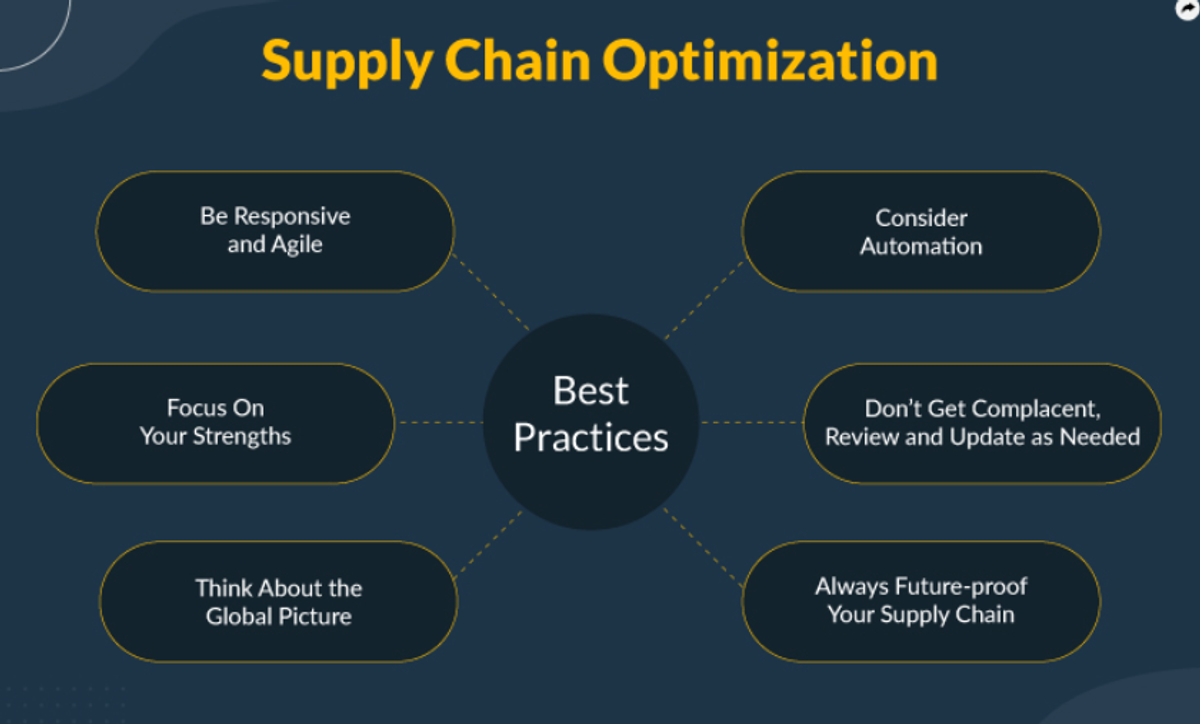
Material shortages and price swings can wreck your project timelines and profit margins.
You've probably lived through it, crews standing around because the shingles didn't show up, or you're sitting on 40 squares of materials you paid for three months ago that are now gathering dust.
AI-powered supply chain management systems tackle this by looking at your upcoming jobs, what's currently in your warehouse, and how much material you've used on similar projects in the past.
It keeps you from running out at the worst possible moment and from tying up cash in inventory you don't need yet.
The technology watches supplier prices constantly.
When your regular distributor drops prices on architectural shingles by 8%, you get an alert.
When there's chatter about manufacturer price increases coming next quarter, you know before most of your competitors do.
The AI can even generate purchase orders automatically when your inventory hits certain thresholds.
No more realizing on Thursday afternoon that you're short on underlayment for Monday's job.
Here's something most contractors don't track well: material waste.
The system monitors how much you're throwing in the dumpster across different projects.
Maybe you're consistently over-ordering on smaller jobs, or there's a better way to lay out cuts that would save half a bundle per roof.
Those insights add up to real money over a season.
The predictive side helps with bigger planning decisions.
Every roofing business knows spring and fall are busy, but the AI quantifies exactly how much busier based on your history.
It tells you to stock up in February before everyone else starts ordering and prices climb.
It also figures out which suppliers actually deliver on time versus which ones say Tuesday and mean Thursday.
Which ones send quality materials, versus which ones have you dealing with defects?
That information helps you decide who deserves more of your business and who you need to replace.
10. Virtual Consultations and Augmented Reality Visualizations

The pandemic pushed everyone toward virtual meetings, and that shift stuck around because it actually works.
AI is making these remote consultations way more useful than just a basic video call.
AI-enhanced video consultation platforms can look at roof photos in real-time while you're talking with a homeowner.
You're on the phone discussing their concerns, they share some images, and the system is analyzing them on the spot.
You can give them meaningful feedback right then instead of the old "I'll need to come out and take a look."
Augmented reality apps powered by AI let customers play around with different options before committing.
They point their phone at their house and can see what charcoal gray shingles would look like versus weathered wood or slate.
It's not a perfect rendering, but it's good enough to help them visualize the finished product.
That visual confirmation makes people feel better about their choice and cuts down on the "I thought it would look different" conversations later.
These virtual tools save everyone time.
You're not driving across town for a 15-minute meeting that could've happened over video.
Customers aren't taking time off work to meet you during business hours.
You can knock out three or four consultations in the time it used to take for one in-person visit.
It makes your operation more efficient without feeling impersonal.
It also sets you apart from competitors who are still doing everything the old way.
Customers notice when you've got modern tools that make their life easier.
The technology shows you're keeping up with the times and investing in better service.
Virtual consultations open up your geographic reach too.
You can provide quotes for properties that are 45 minutes away without spending half your day driving.
A homeowner two towns over can get on a video call, walk you around their property with their phone, and you can give them a solid preliminary assessment.
It doesn't replace on-site measurements for final quotes, but it helps you decide which leads are worth pursuing and gives customers in outlying areas access to your roofing services without the logistics nightmare.
How FatCamel AI Brings These 10 Capabilities Together for Roofing Companies
You've just read about ten different ways AI can help roofing companies.
And if you're like most contractors I talk to, you're probably thinking, "Okay, that all sounds useful.
But where do I even start? Do I need ten different tools? How does this actually work in real life?"
That's a completely fair question.
And honestly, it's the question that led us to build FatCamel AI the way we did.
The Problem With Piecemeal AI Solutions
Here's what usually happens when roofing companies try to adopt AI:
They read an article like this one.
They get excited about automated inspections, so they research drone companies.
Then they realize they also need better lead generation, so they look at marketing AI tools.
Then they remember customer service is a mess, so they start shopping for chatbots.
Before long, they're juggling quotes from six different vendors, trying to figure out how everything would work together.
Most contractors give up at this point. It's too complicated. Too expensive. Too much to manage while also running an actual roofing business.
The ones who don't give up usually end up with a Frankenstein setup: three or four different tools that kind of work but don't really talk to each other.
Customer data lives in one system.
Lead information is somewhere else.
Proposals are in another platform.
Nothing syncs properly.
The team spends half their day copying information between systems.
This is the gap we set out to fix.
What FatCamel AI Actually Does
We don't do everything on that list of ten. We're not a drone company. We're not selling inspection technology or AR visualization tools.
What we do is handle the business operations side, the parts of those ten capabilities that involve customer communication, lead management, marketing automation, scheduling coordination, and workflow optimization.
Think of it this way: Those technical AI tools (drones, image recognition, damage assessment) help you do roofing work better. FatCamel AI helps you run the business of roofing better so you actually have time and bandwidth to use those technical tools.
Let me break down exactly how we connect to what you just read.
Connecting to #3: Intelligent Customer Relationship Management
The article talked about AI-powered CRM systems that understand customers on a deeper level, predict when leads are likely to convert, and automate follow-ups.
That's exactly what FatCamel AI does, but we go further by integrating it with every other part of your workflow.
Our CRM capabilities:
- Automatically captures every lead from phone calls, website visits, text messages, social media
- Scores leads based on actual behavior (how quickly they responded, what questions they asked, whether they've visited your website multiple times)
- Segments customers automatically (emergency repairs vs. planned replacements vs. maintenance customers)
- Triggers the right follow-up sequence based on where they are in the process
- Reminds your team about leads that need attention before they go cold
But here's what makes it different: it all happens in one system connected to your phone, your website, your social media, and your proposal tools. No copying data between platforms.
A roofing contractor in South Carolina told me something that stuck with me: "Before FatCamel, I had leads in my email, notes on my phone, some stuff in a spreadsheet, and customer information scattered everywhere. I'd forget to follow up because I literally didn't know where I'd written things down. Now everything's in one place and the system reminds me before I drop the ball."
Connecting to #4: AI-Powered Lead Generation and Qualification
The article mentioned AI chatbots that talk to website visitors, collect details, and qualify leads even when you're asleep.
We provide exactly that, but ours connects to our voice agents too, so you're capturing leads across every channel, not just your website.
How our lead generation works:
Website chatbot:
- Engages visitors immediately when they land on your site
- Answers common roofing questions (lifespan, materials, insurance, pricing ranges)
- Qualifies leads by asking the right questions (What issue are you seeing? When did it start? What's your address?)
- Collects contact information smoothly
- Books inspection appointments directly from the chat
- Hands off complex questions to your team seamlessly
Voice agents for phone leads:
- Answers every call in under 10 seconds, no matter when it comes in
- Understands roofing terminology naturally
- Asks qualifying questions to understand urgency and scope
- Schedules appointments into your calendar automatically
- Sends confirmation texts and emails
- Logs everything in the CRM instantly
Lead scoring:
- Every lead gets scored automatically based on dozens of factors
- Your team sees immediately which leads are hot and need quick follow-up
- Cold leads get nurtured automatically until they're ready
The article also mentioned analyzing which marketing channels bring paying customers. That's where our What Converts integration comes in.
Marketing source tracking:
- See exactly where every lead originated (Google, Yelp, Angi, Facebook, referrals, etc.)
- Track which sources convert to paying customers, not just form fills
- Calculate real ROI per channel
- Stop wasting money on sources that don't convert
A roofing company in Michigan was spending $4,800 monthly across five advertising platforms. Our tracking showed that 73% of their actual closed jobs came from just one source they'd been spending only $600 on. They reallocated the budget and revenue jumped $52,000 in the next quarter without spending an extra dollar on ads.
Connecting to #5: Dynamic Pricing and Estimation Tools
The article discussed AI roofing software that creates accurate estimates quickly by looking at material prices, labor costs, and historical project data.
We don't calculate the technical roofing measurements (that's what tools like EagleView and RoofScope do), but we handle the proposal generation and delivery that turns those measurements into closed deals.
Our proposal automation:
Integrated with your measurement tools:
- Pull measurements directly from whatever inspection/measurement platform you use
- Combine with your current material and labor costs
- Generate professional proposals in about 5 minutes
Looks incredibly professional:
- Your branding throughout
- Clear project scope and timeline
- Material options explained simply
- Photos from inspection with damage highlighted
- Warranty details and financing options
- Everything formatted beautifully
Delivered instantly:
- Sent via email and text the moment it's ready
- Customer can view on phone or computer
- Digital signature through DocuSign integration
- Automatic follow-up reminders if they don't sign
- You know immediately when they open it, view it, or sign it
The article mentioned homeowners wanting fast answers. Here's where speed actually wins jobs:
Old process:
- Inspection Monday morning
- You tell them "I'll get you a proposal in a couple days"
- You finally create it Wednesday evening
- Email it Thursday morning
- They open it Friday afternoon
- By then they've gotten two other quotes from competitors who moved faster
With FatCamel AI:
- Inspection Monday morning
- Proposal generated and sent before you leave their driveway
- They're reading it while you're driving to your next job
- They sign it Monday afternoon because you're the only one who's responded
- Job scheduled before your competitors even sent their quotes
A Virginia contractor told me his closing rate went from 28% to 49% just from this speed improvement alone. Same quality work, same pricing, just faster response time.
Connecting to #6: Intelligent Scheduling and Resource Optimization
The article discussed AI scheduling systems that juggle crews, materials, deadlines, and weather to create sensible work plans.
Our system handles the customer-facing side of scheduling and integrates with your crew management.
How scheduling works with FatCamel AI:
Customer-side automation:
- Appointments booked automatically through voice agents and chatbots
- Confirmation texts and emails sent immediately
- Reminder messages sent the day before
- Customers can reschedule easily through automated system
- Emergency calls get flagged and routed appropriately
Weather monitoring:
- System watches local weather forecasts
- Automatically notifies customers when weather will affect their scheduled work
- Suggests rescheduling options
- Keeps everyone informed without you making fifty phone calls
Crew coordination:
- Crews get job details pushed to their phones automatically
- Customer contact information, address, project notes all in one place
- Photos and specifications accessible on site
- Job completion triggers next steps automatically (follow-up, review request, etc.)
This doesn't replace dedicated project management software if you already have something you love. It integrates with it. The goal is smooth information flow so nothing falls through the cracks.
Connecting to #7: Automated Marketing and Content Creation
The article talked about how busy contractors let marketing slip, and how AI tools can handle social media, email campaigns, and content creation in the background.
This is one of our core strengths.
Social media automation:
- You give us your content once (project photos, before/afters, tips, offers)
- We post it across all platforms automatically (Facebook, Instagram, LinkedIn, Twitter, YouTube, TikTok)
- At optimal times when your local audience is most active
- With professional captions and formatting
- Every single week, consistently
- You never touch it
Email marketing automation:
- New leads get welcome sequences automatically
- Past customers get seasonal maintenance reminders
- Weather-triggered campaigns (storm prep before winter, check-ups after severe weather)
- Review requests sent at perfect timing after job completion
- Referral campaigns run systematically
Ad optimization:
- The article mentioned AI watching ads and shifting budget to what works
- Our system tracks which ads generate actual paying customers (not just clicks)
- You see clear ROI per ad campaign
- Make budget decisions based on data, not guesses
We've automated over 50,000 posts across all our roofing clients. Average time saved: 40 hours monthly per business. That's a full work week you're not spending on social media.
A roofing company in Colorado told me: "We went from posting maybe twice a month whenever someone remembered, to consistent professional content every week. Our engagement went up, but more importantly, customers started mentioning they'd seen our posts. It makes us look active and trustworthy."
Connecting to #8: Image Recognition for Damage Assessment
The article described how homeowners can upload photos and AI analyzes the damage, helping both parties understand the problem before anyone drives out.
We don't provide the image recognition AI itself, but we handle the customer communication workflow around it.
How this works in practice:
Customer uploads photos:
- Through our website chatbot or via text message
- System acknowledges receipt immediately
- Customer gets preliminary timeline for response
Analysis and response:
- Photos flow into your system
- Whether you use AI analysis tools or manual review, customer gets update on timeline
- Initial assessment sent automatically
- If urgent, system flags for immediate attention
- If non-urgent, customer enters appropriate follow-up sequence
Documentation:
- All photos stored and organized by property
- Accessible when creating proposals or insurance claims
- Timestamped for your records
- Easy to find months or years later
This streamlines what the article described, homeowners get faster answers, you get better information upfront, and insurance claims have proper documentation.
Connecting to #10: Virtual Consultations
The article mentioned AI-enhanced video consultations and how they save time for both contractors and homeowners.
Our system doesn't provide video consultation software (there are plenty of good options like Zoom already), but we handle the scheduling and follow-up that makes virtual consultations work smoothly.
Virtual consultation workflow:
Booking:
- Customer requests consultation through website or phone
- System offers video call or in-person options
- Sends calendar invite with video link automatically
- Reminder sent the day before
Follow-up:
- After consultation, proposal sent immediately if appropriate
- Or follow-up sequence begins if they need time to think
- All notes from consultation logged in CRM
- Next steps clear for both parties
The article was right, virtual consultations save massive time. You can do three or four consultations in the time one in-person meeting used to take. Our system just makes sure those consultations actually convert to jobs instead of being "nice conversations that went nowhere."
What We Don't Do (And Why That's Okay)
Let's be clear about what FatCamel AI doesn't handle:
We're not doing:
- Drone inspections (#1)
- Predictive maintenance algorithms (#2)
- Image recognition for damage assessment (#8)
- Supply chain and inventory optimization (#9)
- AR visualization tools (#10)
Those are specialized technical tools, and there are companies doing them well. The article mentioned several.
What we do provide:
- The CRM that ties everything together (#3)
- Lead generation and qualification (#4)
- Proposal automation (#5)
- Scheduling coordination (#6)
- Marketing automation (#7)
- The business operations infrastructure that makes all those technical tools actually usable
Think of it this way: You can buy the fanciest drone inspection system in the world, but if you're missing half your phone calls, taking four days to send proposals, and never following up with past customers, that drone isn't going to save your business.
FatCamel AI handles the operational foundation so you can confidently invest in those technical innovations.
The Real Integration Advantage
Here's what makes FatCamel AI different from trying to piece together ten different tools:
Everything connects:
- Lead comes in through website chatbot → logged in CRM → voice agent follows up → proposal generated → customer signs → crew notified → job completed → follow-up sequence begins → review request sent
- That entire flow happens automatically in one system
- No copying data between platforms
- No leads slipping through the cracks
One dashboard:
- See all your leads, projects, proposals, and customer communications in one place
- Your team isn't logging into seven different systems
- Training is simpler because there's one interface to learn
Consistent data:
- Customer information lives in one place
- Everyone on your team sees the same notes and history
- No more "I thought someone else followed up with that lead"
Mobile access:
- Your team accesses everything from their phones
- Crews see job details on site
- You can check business status from anywhere
- Nothing requires being at a desk
What This Actually Costs (And The Real ROI)
Let's talk numbers because that's what matters.
If you pieced together everything separately:
- Phone answering service: $800-$1,500/month
- Social media management: $2,000-$10,000/month
- CRM software: $150-$500/month
- Lead tracking tools: $200-$500/month
- Proposal software: $100-$300/month
- Email marketing: $50-$300/month
- Total: $3,300-$13,100/month
Plus you're managing six different vendors, training your team on six different systems, dealing with six different support contacts when something breaks.
FatCamel AI approach:
- Everything integrated in one system
- One monthly investment (significantly less than piecemeal approach)
- One vendor relationship
- One support team
- One training process
- Typical savings: 60-75% compared to separate tools
But here's the real ROI calculation:
The article mentioned several ways AI improves roofing businesses. Here's what our clients typically see:
More leads captured:
- Stop missing 30-40% of calls that currently go to voicemail
- Website conversion typically doubles (chatbot captures leads that would've left)
- If you're getting 50 leads monthly and missing 20, capturing those 20 at 30% close rate = 6 more jobs
- At $8,000 average job = $48,000 additional monthly revenue
Better marketing efficiency:
- Stop wasting 30-40% of ad spend on channels that don't convert
- Reallocate budget to what actually works
- Most contractors save $1,000-$2,000 monthly on marketing waste alone
Faster closing:
- Speed from inspection to proposal drops from days to minutes
- Close rate typically improves 25-40%
- On 15 monthly estimates, 25% improvement = 3-4 more closed jobs
- Additional revenue: $24,000-$32,000 monthly
More repeat business:
- Systematic follow-up with past customers
- Repeat business typically increases 30-50%
- Referrals increase 3-4x
- This compounds over time as your customer base grows
Time savings:
- Average 40-50 hours monthly reclaimed
- That's a full work week you can spend on revenue-generating activities
- Or it's personal time you finally get back
Most contractors see positive ROI within their first month just from capturing leads they were previously missing. Everything else is bonus.
Who This Actually Works For
FatCamel AI isn't for everyone. Let me be straight about that.
You're a great fit if:
- You handle at least 50 leads monthly (enough volume to justify automation)
- You miss calls regularly because crews are working
- Your social media is inconsistent or nonexistent
- You don't know which marketing channels actually work
- You rarely follow up with past customers systematically
- You take days to send proposals after inspections
- You want to adopt those technical AI tools this article discussed but don't have time to manage them
- You value your time and would rather be on job sites than answering phones
You're probably not a fit if:
- You only get 10-15 leads monthly (might not need this level yet)
- You already have full office staff handling everything smoothly
- You prefer managing all technology in-house
- You're satisfied with current workflow even if it takes longer
How This Connects to Everything You've Read
This entire article was about ten ways roofing companies can use AI. Those capabilities are real, they work, and they're transforming the industry.
But here's the reality: most roofing contractors will never adopt those ten capabilities because they don't have time to research them, budget to invest in all of them, or operational bandwidth to implement them.
FatCamel AI solves that by handling the business operations side, customer communication, lead management, marketing, proposals, scheduling coordination—so you have the time and resources to selectively adopt those technical innovations.
The technical AI tools (#1, #2, #8, #9, #10) help you do better roofing work.
FatCamel AI (#3, #4, #5, #6, #7) helps you run a better roofing business.
You need both. We just make sure the business operations side doesn't prevent you from ever getting to the technical innovations.
Your Next Step
You've read about ten ways AI can help roofing companies. You see the potential. You understand where the industry is heading.
Now you have a choice:
Option 1: Bookmark this article, tell yourself you'll look into it later, get busy with work, and six months from now you're dealing with the same problems.
Option 2: Try to piece together ten different AI tools yourself, spend months figuring out how they work together, and hopefully don't waste too much money in the process.
Option 3: Start with FatCamel AI to handle your business operations, see immediate results from capturing more leads and closing more deals, then gradually add those technical AI tools as time and budget allow.
Most of our successful clients went with option three. They got their operational foundation solid first, which gave them the breathing room to thoughtfully adopt drones, advanced scheduling tools, and other technical innovations.
We're not asking you to revolutionize your entire roofing business overnight. We're asking you to automate the parts that don't need your personal expertise so you can focus on the roofing work that does.
Implementing AI in Your Roofing Business
Understanding how can I use AI with roofing companies is just the starting point, making it actually work requires some thought and planning.
Begin by figuring out what's really slowing you down or costing you money.
Are you losing leads because nobody's answering the phone fast enough?
Is scheduling a constant headache with crews sitting idle while jobs get backed up?
Are customers frustrated with slow responses?
Pick AI solutions that fix your actual problems instead of trying to overhaul everything at once.
Most AI tools built for contractors let you try before you buy.
Take advantage of demos and trial periods.
See how the software fits with what you're already using, your CRM, accounting system, whatever tools run your daily operations.
The fanciest platform in the world is worthless if it doesn't talk to your existing setup or if your team hates using it.
Get your people involved early.
Show them how the technology makes their jobs easier, not harder.
If your estimators or project managers think it's just more hassle, they'll find ways around it and you've wasted your money.
Budget matters, obviously.
Some AI solutions want big money upfront; you're buying software and maybe hardware too.
Others charge monthly subscriptions that start small and scale up as you use more features.
Do the math on what you're actually getting back.
If an AI scheduling tool saves your project manager ten hours a week, what's that time worth?
If better lead qualification increases your close rate by 15%, how much extra revenue is that annually?
AI for roofing services should make you more money, period.
If it's just a cool tech toy that doesn't improve your bottom line, it's not worth having.
Start with one or two tools that solve real problems, see results, then expand from there once you know what works for your roofing business.
Overcoming Implementation Challenges
Adopting AI technology comes with real challenges that you shouldn't ignore.
Plenty of roofing professionals worry they'll spend weeks learning complicated software that doesn't actually help them do their job better.
Others fear the technology will eventually replace the skills and experience they've spent years building.
Here's the truth: AI is meant to handle the tedious stuff so you can focus on the work that actually requires your expertise and judgment.
No algorithm is going to replace a veteran roofer's ability to spot underlying problems during an inspection or talk a nervous homeowner through a major investment.
Don't try to revolutionize your entire operation on day one.
That's a recipe for frustration and wasted money.
Start small with something straightforward, maybe an AI chatbot on your website that answers basic questions and captures lead information after hours.
See how that works, get comfortable with it, then move on to bigger implementations like drone inspection systems or advanced scheduling software.
This step-by-step approach gives your team time to adapt without feeling overwhelmed.
They see the benefits firsthand with simpler AI tools before you ask them to trust the technology with more complex tasks.
Data privacy and security aren't just buzzwords; they're serious considerations when you're collecting customer information through AI systems.
You're gathering names, addresses, phone numbers, photos of people's homes, and sometimes even financial details.
Choose vendors who take security seriously, not whoever has the cheapest subscription price.
Look for clear explanations of how they protect data and what they do with it.
Make sure you're following whatever regulations apply to customer information in your area.
And be upfront with clients about how you're using their data.
Most people are fine with it as long as you're honest and their information is protected.
Trying to hide how you use AI will backfire fast if customers find out later.
Measuring Success and ROI
To justify continued investment in AI technologies, establish clear metrics for measuring success.
Track key performance indicators such as lead conversion rates, average project completion times, customer satisfaction scores, and profit margins before and after implementing AI solutions.
Monitor time savings across various operations.
If your estimating process drops from two hours to thirty minutes per project, calculate the annual value of that recovered time.
Similarly, track reductions in material waste, improvements in crew utilization rates, and increases in customer retention.
Customer feedback provides valuable insights into whether AI implementations are enhancing their experience.
Surveys asking about the ease of scheduling, quality of communication, and overall satisfaction can reveal which technologies are making a positive difference.
Use this feedback to refine your AI strategies and prioritize future investments.
The Future of AI in Roofing
The roofing industry is still in the early stages of AI adoption, meaning companies that invest now gain significant competitive advantages.
As the technology evolves, we'll see even more sophisticated applications, from AI systems that can predict storm damage before it becomes visible to algorithms that optimize entire business operations autonomously.
Climate change is increasing the frequency and severity of weather events, making predictive maintenance and rapid damage assessment more valuable.
AI's ability to process vast amounts of weather data and correlate it with roof performance will become increasingly important for both roofing companies and property owners.
The integration of AI with other emerging technologies like IoT sensors and blockchain will create new possibilities for smart roofing systems that monitor their own condition and automatically schedule maintenance.
Forward-thinking roofing companies should stay informed about these developments and be ready to adopt innovations that provide clear business value.
Conclusion
Artificial intelligence is transforming the roofing industry from a traditionally manual, labor-intensive sector into a high-tech service business.
From automated inspections to predictive maintenance, intelligent scheduling to personalized marketing, AI offers roofing companies numerous opportunities to work smarter, serve customers better, and grow more profitably.
The question is no longer whether roofing companies should adopt AI, but how quickly they can implement these technologies effectively.
Companies that embrace AI for roofing services today will be the industry leaders tomorrow, enjoying operational efficiencies and customer satisfaction levels that competitors struggle to match.
Start your AI journey by identifying one or two areas where technology could make the biggest impact on your business.
Experiment with available tools, measure results carefully, and expand your AI capabilities as you see positive outcomes.
The roofing industry's future is intelligent, automated, and customer-centric, and that future is already here for companies ready to embrace it.
Ready to transform your roofing business with artificial intelligence?
The tools and technologies discussed in this article are available now and proven to deliver results.
Take the first step toward a more efficient, profitable, and competitive roofing operation by exploring AI solutions that align with your business goals and customer needs.

Frequently Asked Questions
How much does it cost to implement AI in a roofing company?
Costs vary widely depending on the specific AI solutions you choose. Basic AI chatbots and CRM tools might cost between 50-200 dollars monthly, while comprehensive drone inspection systems with AI analysis can require investments of 5,000-15,000 dollars or more. Many providers offer scalable pricing models that grow with your business, making AI accessible even for smaller roofing companies.
Do I need technical expertise to use AI for roofing services?
Most modern AI tools designed for roofing companies feature user-friendly interfaces that require minimal technical knowledge. Vendors typically provide training, tutorials, and customer support to help you implement and use their systems effectively. Your team will need to invest time in learning new platforms, but you don't need programming skills or deep technical expertise.
Can AI really generate qualified leads for roofing companies?
Yes, AI lead generation tools analyze data from multiple sources to identify homeowners likely to need roofing services. These systems consider factors like property age, recent weather events, and neighborhood characteristics to create targeted lead lists. When combined with AI-powered qualification through chatbots and automated follow-ups, these tools can significantly improve lead quality and conversion rates.
How accurate are AI-powered roof inspections compared to human inspectors?
AI-powered inspections are highly accurate for identifying visible damage and measuring roof dimensions. However, they work best when complementing human expertise rather than replacing it entirely. The AI excels at processing large amounts of visual data quickly and consistently, while experienced inspectors provide contextual judgment and can assess factors that might not be visible in images.
Will AI replace roofing contractors and workers?
No, AI is designed to augment human capabilities, not replace roofing professionals. The technology handles repetitive, time-consuming tasks, such as data analysis, scheduling, and initial damage assessment, freeing your team to focus on skilled work that requires human judgment, craftsmanship, and customer interaction. AI enhances the efficiency of roofing businesses, but a skilled workforce remains essential.

https://www.fatcamel.ai/#/subscribe
By Basant Choudhary
We don’t sell AI we sell results