

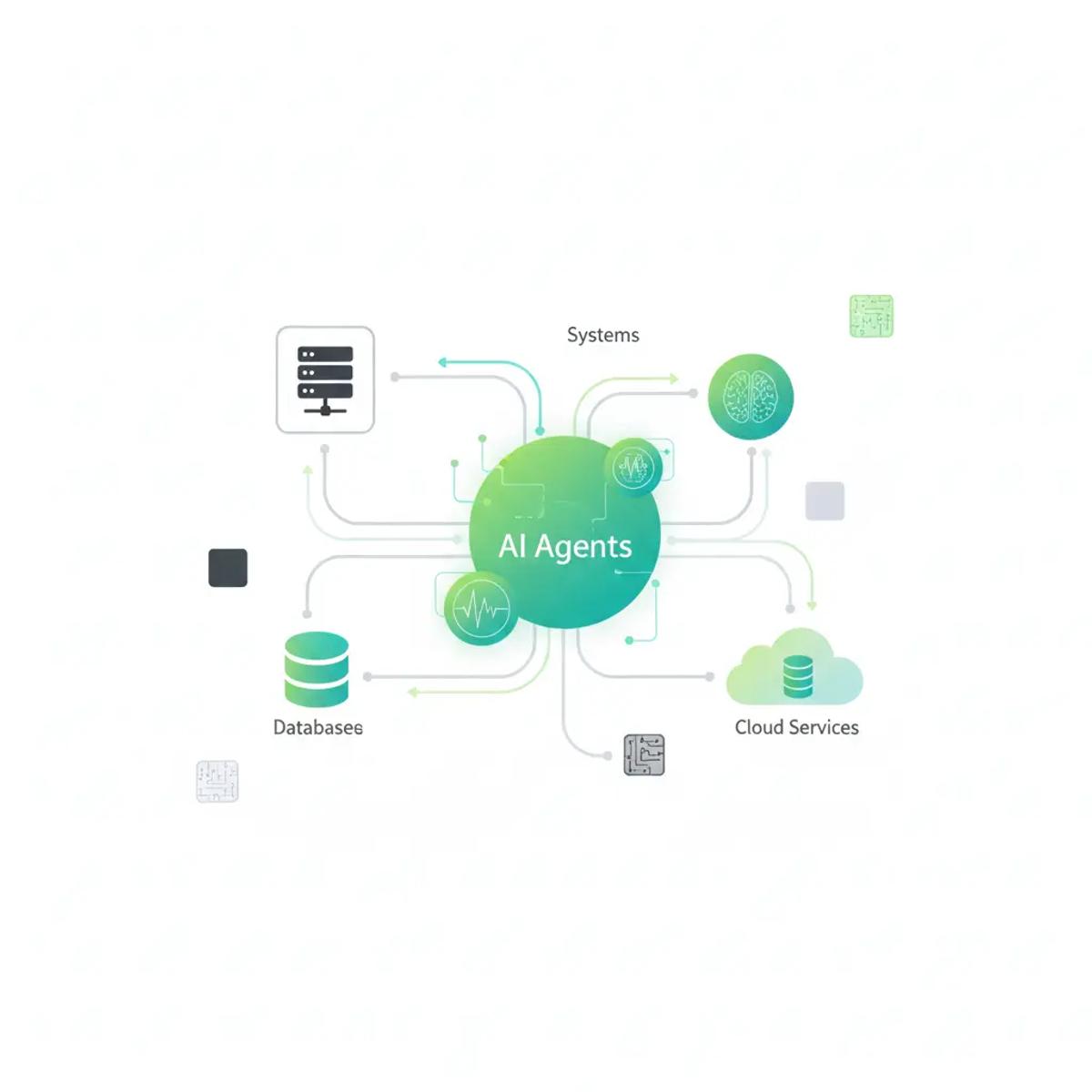
AI agents are here, already working inside real businesses. They reply to customers, qualify leads, update systems, analyze data, and trigger actions without human intervention. Many teams are now exploring AI agents built on n8n because of the flexibility and control it offers. They are not just a futuristic concept anymore, but today's reality.
But very quickly, a practical question arises.
How much does it actually cost to run n8n AI agents?
This question matters to everyone. Founders want to plan budgets. CTOs want to understand infrastructure impact. Automation owners want to scale responsibly. Non-technical leaders want to know whether AI agents are affordable or risky.
The truth is, if someone wants to know about n8n AI agent costs, there is no fixed answer. It depends on how the agent is designed, how often it works, what tools it uses, and how much responsibility you want the system to take. In this guide, we will break it all down in simple terms so you can budget for AI with confidence, not guesswork.
Read more here about n8n Licensing 101
What do AI Agents Mean?
Before talking about cost, it is important to know what AI agents are.
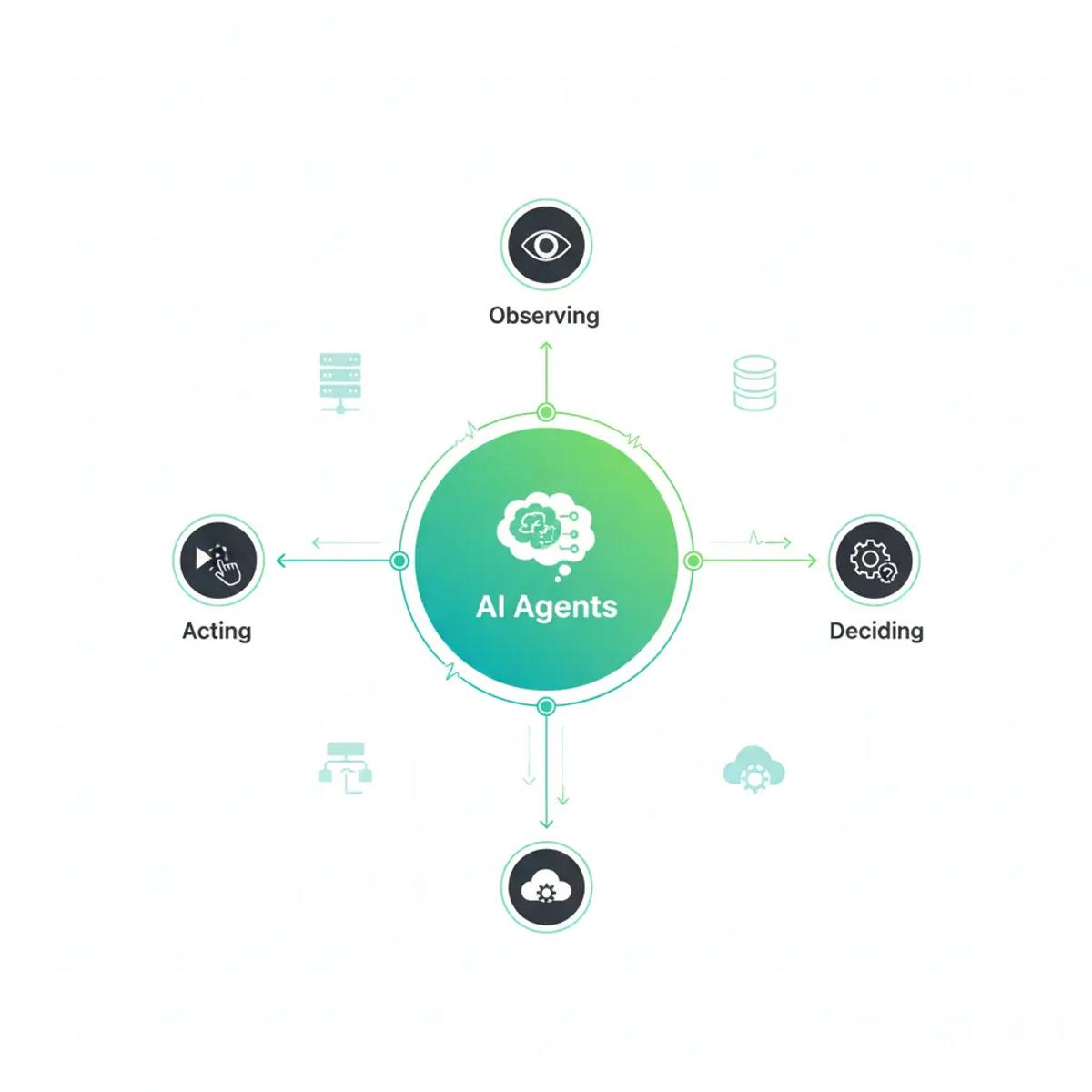
In the context of n8n, AI agents are software systems that can work on their own without constant human input. They can observe what is happening, collect information, make decisions, and take actions based on logic and AI models. These agents are not just chatbots. They are full workflows that can think, decide, and act.
For example, an AI agent built in n8n can read incoming leads, analyze the intention, update a CRM, send follow-up messages, keep humans in the loop, and keep running this process continuously. Once set up, it does not wait for manual commands. It operates as part of your system.
Because of this autonomy, AI agents behave more like digital team members. And just like human team members, they come with costs.
Why Budgeting for AI Agents Is Often Misunderstood
Many teams underestimate AI agent costs because they focus only on one part of the system. Some only think about the AI model. Others only think about the automation tool. In reality, AI agents have multiple cost layers.
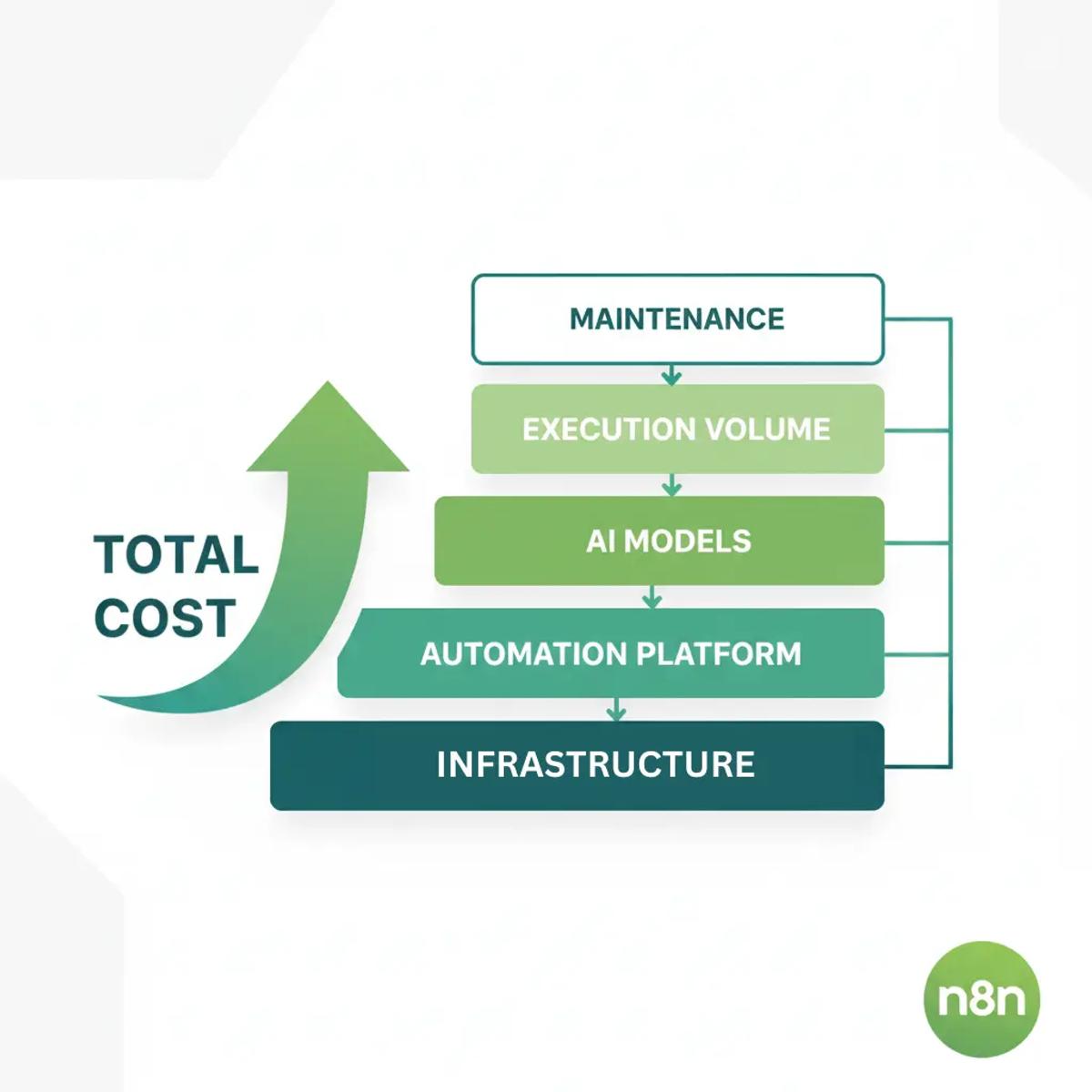
The cost is not just about n8n. It includes infrastructure, AI usage, execution volume, and maintenance. If you ignore even one of these, you’ll end up with unexpected costs or systems that stop working.
This is why budgeting for n8n AI agents should be done like budgeting for a system, not a feature.
Read more here about n8n Enterprise Pricing
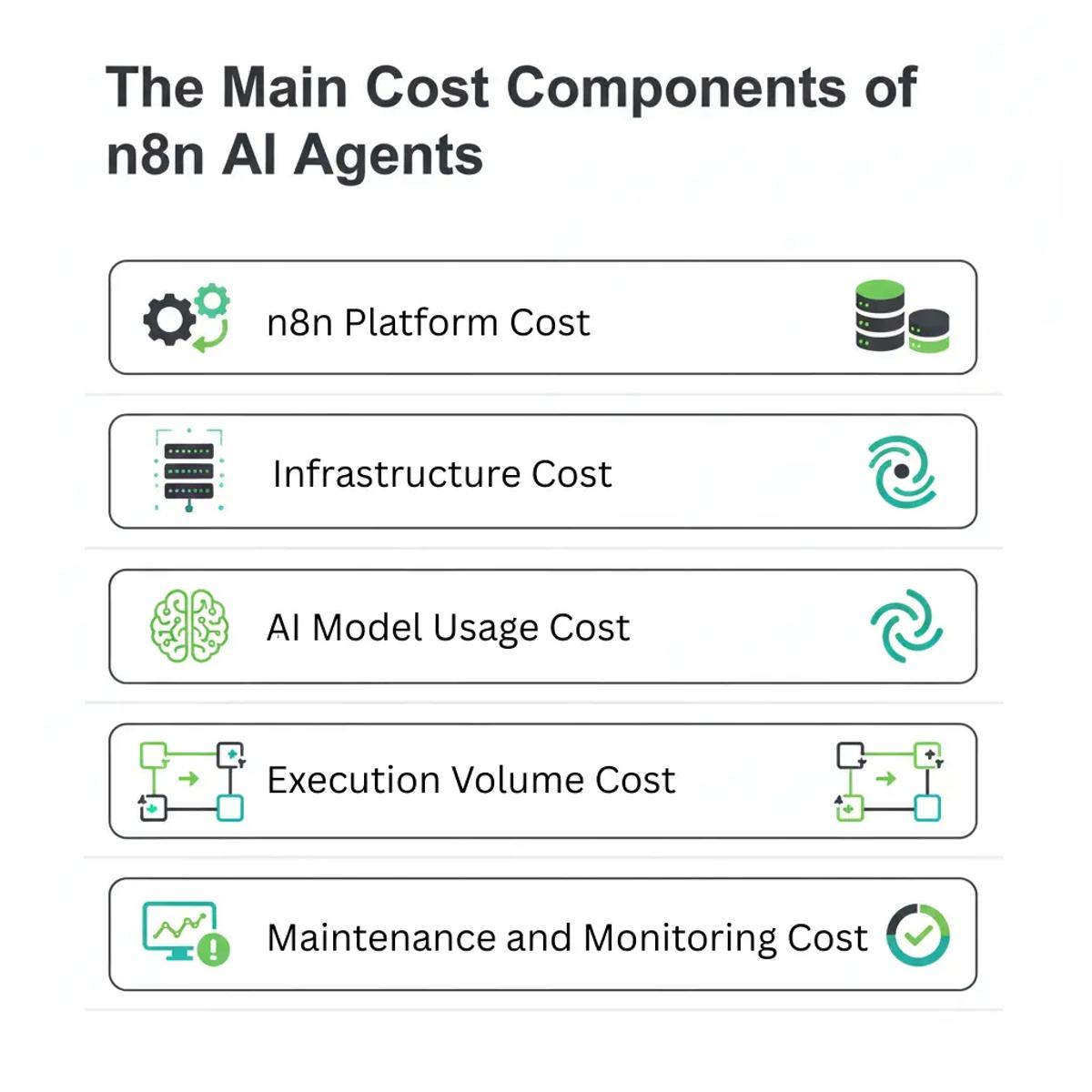
The Main Cost Components of n8n AI Agents
To understand the n8n AI agent cost properly, you need to look at it in layers. Each layer adds a different type of cost.
n8n Platform Cost
The first layer is the n8n platform itself. This depends on whether you are using n8n Cloud or self-hosted n8n.
With n8n Cloud, you pay a monthly subscription based on execution limits. Plans range from lower-cost starter plans to higher business and enterprise plans. The more often your AI agents run, the more executions you consume.
With self-hosted n8n, there is no platform license cost for the community edition. However, you still pay for servers, hosting, monitoring, and maintenance. In many cases, self-hosting is cheaper at scale but requires technical ownership.
This base choice already affects your total AI agent cost.
Infrastructure Cost
AI agents do not run in isolation. They run on servers.
If you are self-hosting, infrastructure costs include servers, storage, databases, backups, and monitoring. A basic setup may cost relatively little, but production-grade systems that run AI agents continuously require stable and scalable infrastructure.
Even on n8n Cloud, infrastructure is included in your plan, but it is still part of what you are paying for indirectly.
Infrastructure cost grows as your AI agents handle more tasks and more data.
AI Model Usage Cost
This is the part most people expect, but it is often misunderstood.
AI agents usually rely on external AI models for thinking, classification, summarization, or decision-making. These models are typically priced based on usage. The more data processed and the more often the agent thinks, the higher the cost.
Even simple agents can generate significant AI usage if they run frequently. An agent that analyzes every incoming message or document can quickly add up in usage.
This is why AI cost depends more on design than on hype. A well-designed agent can be efficient. A poorly designed agent can be expensive.
Read more here about The Real Cost of Self-Hosting n8n
Execution Volume Cost
Every time an AI agent runs in n8n, it consumes executions.
An agent that runs once a day is cheap. An agent that runs on every user action or message is not. Execution volume is one of the biggest drivers of n8n AI agent cost, especially on cloud plans.
Many teams underestimate this early on and then struggle when usage grows.
Maintenance and Monitoring Cost
AI agents are not set-and-forget systems.
They need monitoring, updates, and occasional fixes. Prompts need tuning. Logic needs adjustment. External tools change. APIs fail.
This maintenance cost may not appear as a line item, but it shows up in engineering time and operational effort. Over time, this becomes part of the real cost of running AI agents.
A Simple Example to Make This Real
Imagine a small company builds an AI agent in n8n to handle incoming leads.
The agent reads form submissions, analyzes intention, updates the CRM, sends a follow-up email, and notifies sales for high-quality leads. It runs around one hundred times a day.
At a low scale, this system feels cheap and powerful. But as the business grows, lead volume doubles. Then triples. The agent now runs hundreds of times a day. Execution usage increases. AI model usage increases. Infrastructure load increases.
The system still works, but the cost is no longer trivial.
This does not mean AI agents are expensive. It means they need to be planned like systems, not experiments.
Where Fatcamel Fits Into This Picture
At Fatcamel, we help businesses design AI agents and automation systems with cost in mind from day one. We do not just build agents that work. We build agents that scale.
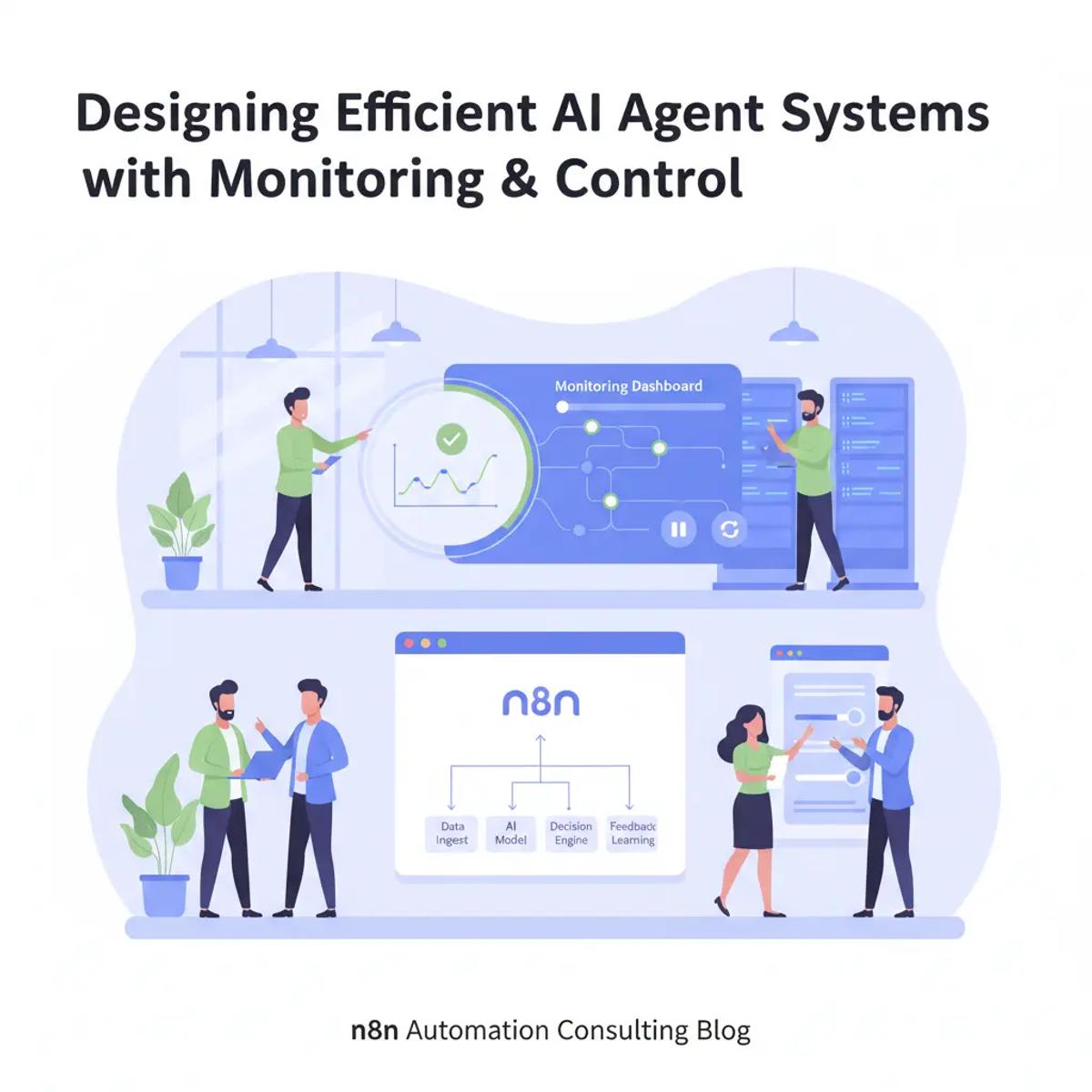
We focus on system design, execution efficiency, and human oversight so AI agents deliver value without creating hidden cost problems later. This is especially important for teams that want to use n8n AI agents as long-term infrastructure rather than short-term demos.
Typical Cost Ranges for Running n8n AI Agents
Once teams understand the cost components, the next question is usually very practical. What does this look like in real numbers? The answer depends on scale, but we can still talk in ranges.
For small teams that use one or two AI agents for basic tasks like lead handling, internal routing, or simple analysis, the monthly cost is usually low. These agents do not run all the time, and they are designed to act only when something important happens. In such cases, the n8n AI agent cost often feels manageable and predictable.
As teams grow, AI agents start doing more work. They handle more inputs, interact with more systems, and make more decisions. At this stage, costs start increasing slowly, not suddenly. The increase usually comes from higher execution volume and more frequent AI usage, not from n8n itself.
For larger teams or businesses where AI agents run across sales, support, operations, and reporting, the cost becomes more noticeable. These agents may run hundreds or thousands of times per day. At this level, budgeting becomes important, not because AI is too expensive, but because it is now part of core infrastructure.
Read more here about n8n Cloud Plans
Small Teams and Early Stage Use
For early-stage companies, AI agents are often used to remove basic manual work. This includes things like sorting leads, responding to simple messages, updating internal systems, or creating summaries for humans to review.
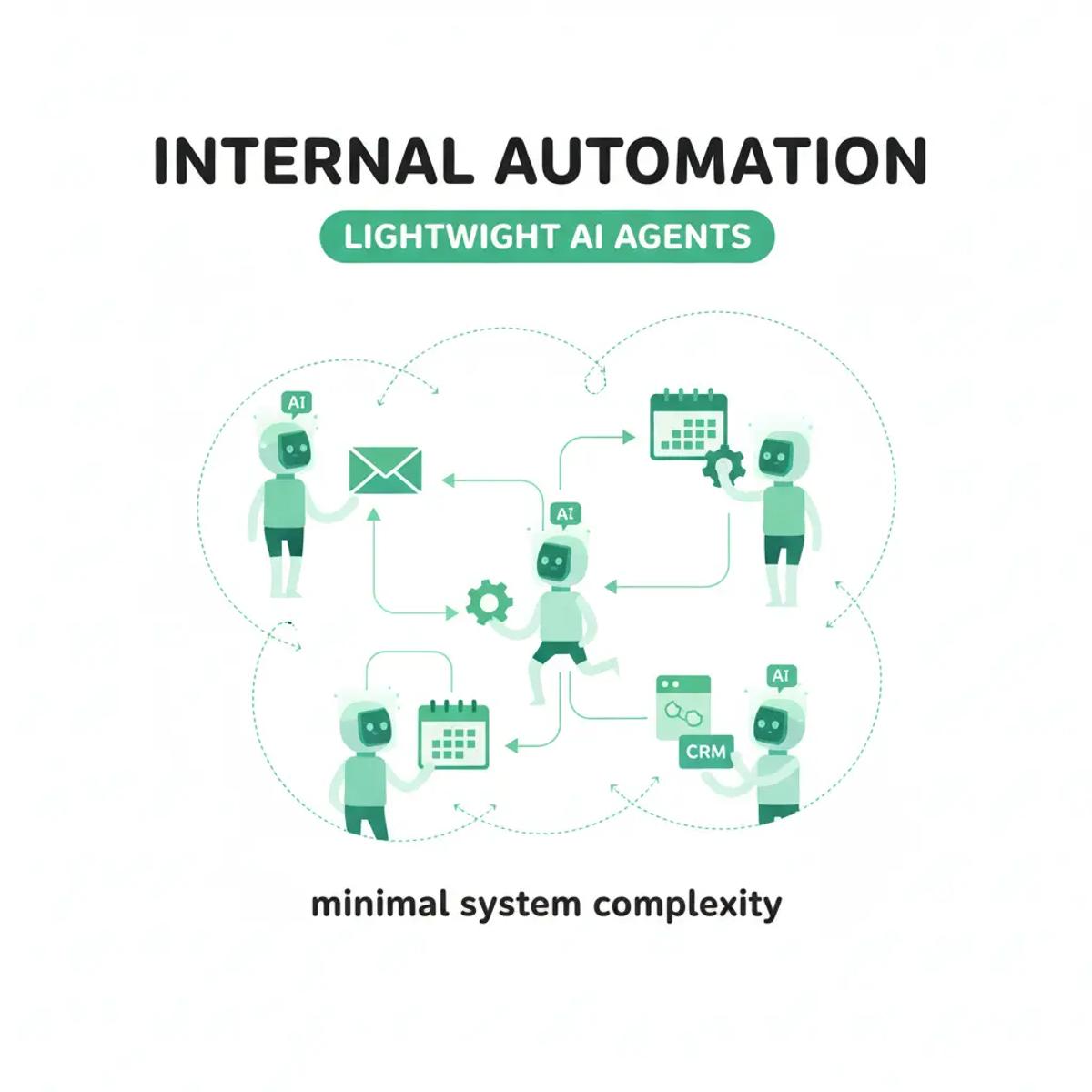
In these setups, AI agents usually run only when triggered by specific events. They are not always active. Because of this, execution usage stays low, and infrastructure needs are simple.
At this stage, most of the cost comes from experimentation and learning. Teams are figuring out what works. The financial risk is low if agents are designed carefully. This is often the best stage to test AI agents and understand their value.
Growing Teams and Production Use
As teams gain confidence, they start trusting AI agents with more responsibility. Agents begin handling real customer interactions, internal coordination, and decision support.
This is where costs start to matter more. AI agents may now run multiple times per hour. They may connect to several tools. They may trigger follow-up actions automatically.
The important thing to understand is that costs rise because value rises. AI agents are now saving real time and reducing real workload. The key is to track usage and make sure agents are doing useful work, not unnecessary work.
This is also the stage where many teams benefit from guidance and system design support.
Read more here about n8n Pricing in 2026
Large Teams and AI as Infrastructure
For larger teams, AI agents are no longer experiments. They are part of how the business operates. They support sales pipelines, customer operations, reporting, and internal workflows.
At this level, the n8n AI agent cost becomes part of regular budgeting. Just like cloud infrastructure or internal tools, AI agents are planned, monitored, and optimized.
Costs are higher, but so is the impact. AI agents reduce delays, improve consistency, and free teams from repetitive work. The focus shifts from whether AI is affordable to whether it is designed well.
What Usually Makes AI Agents More Expensive Than Expected
Most cost surprises do not come from AI models themselves. They come from poor system design.
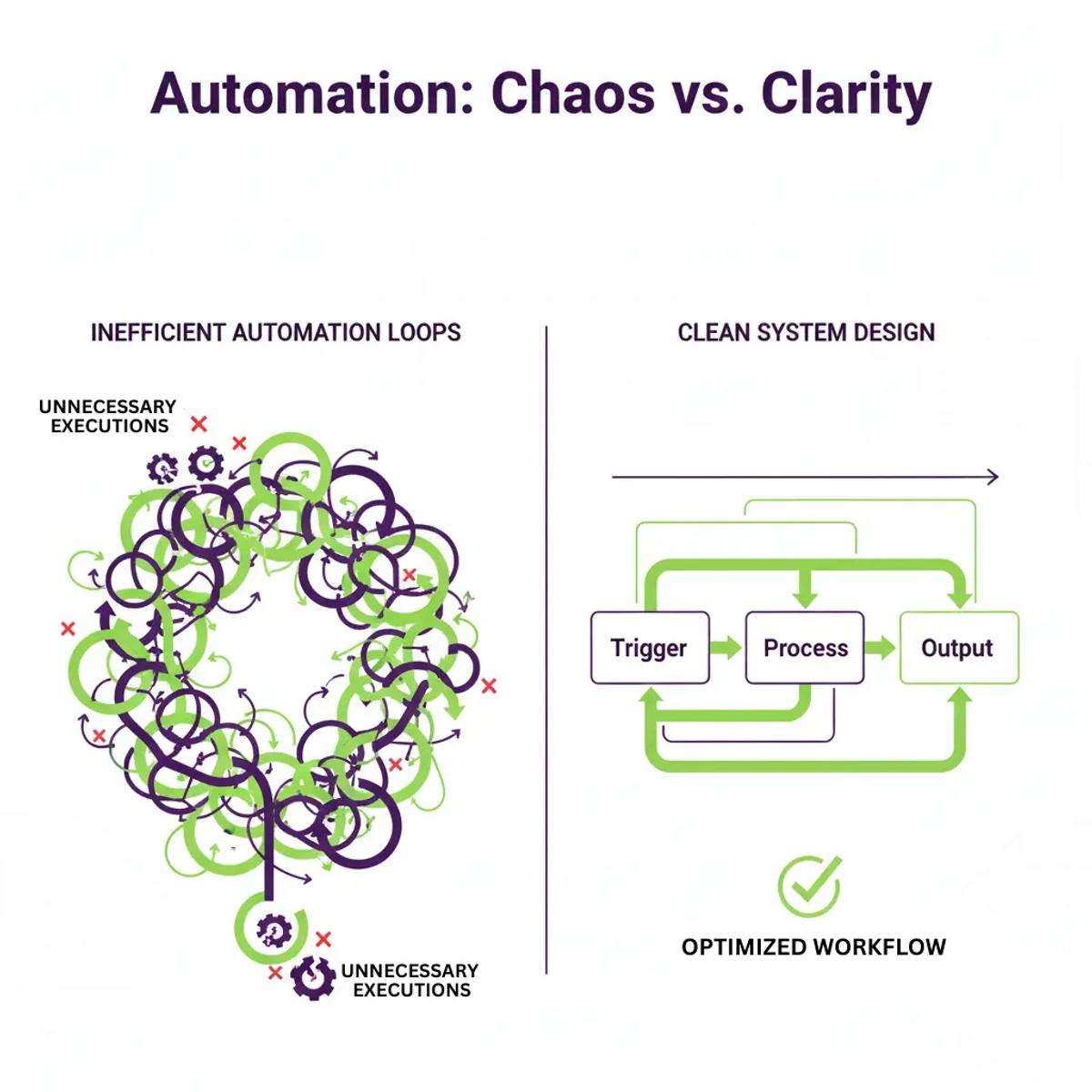
Agents that run too often, agents that repeat the same thinking unnecessarily, and agents that are triggered without filters can waste resources. Another common issue is letting AI agents handle tasks that do not actually need AI.
Good design solves most of these problems.
How to Keep n8n AI Agent Cost Under Control
The easiest way to control cost is to design AI agents with intention. Agents should run only when needed. They should think only when thinking adds value. They should turn to humans when judgment matters.
Monitoring execution volume and regularly reviewing workflows helps teams avoid waste. Small changes in logic can significantly reduce costs without affecting impact.
This is where experience matters.
How Fatcamel Helps Teams Budget and Build AI Agents
At Fatcamel, we help teams think about AI agents as systems, not tools. We design workflows that balance automation, AI usage, and human oversight.
Our goal is not to build as many AI agents as possible. It is to build the right ones. Agents that solve real problems, scale with the business, and stay cost-efficient over time.
We help teams plan budgets, design efficient workflows, and avoid common mistakes that lead to rising costs later.
AI Agents Are an Investment, Not an Expense
It is important to see AI agents as an investment. They replace repetitive work, improve response time, and reduce mental load on teams. When designed well, their value is much higher than their running cost.
The real question is not how cheap an AI agent is, but whether it is doing work that a human should not be doing.
Final Thoughts
Running AI agents on n8n does cost money, but it does not have to feel confusing or out of control. The cost is shaped by how you design your workflows, how often your agents run, and how much responsibility you give them, not by AI hype or buzzwords. When teams plan early, set clear goals, and keep an eye on usage, costs usually stay predictable and returns improve over time. But when AI is added in a rush without structure, it often leads to wasted runs, unclear ownership, and rising bills.
So how should you think about it? Start by asking simple questions. What problem is this agent solving? How often does it really need to run? What happens if it fails? Small teams can begin with basic, low-cost setups and learn as they go. As teams grow, planning becomes more important. For large teams, structure and monitoring are essential. When AI agents are built as part of a well-designed system, they turn into reliable helpers that grow with your business instead of becoming a financial burden.
FAQs: n8n AI Agent Cost
How much does it cost to run n8n AI agents?
The cost of running n8n AI agents depends on how often the agents run, what tasks they handle, and how much AI processing they use. Small setups can run at a low cost, while larger systems with frequent executions cost more.
What are the main factors that affect the n8n AI agent cost?
The main factors include n8n execution usage, server or cloud infrastructure, AI model usage, and ongoing monitoring and maintenance. Good system design helps keep these costs under control.
Are n8n AI agents expensive for small teams?
No. Small teams usually start with simple agents that run only when needed. This keeps execution and AI usage low, making the overall cost manageable.
Does using AI agents in n8n require enterprise plans?
Not always. Many teams run AI agents on n8n Cloud or self-hosted setups. Enterprise plans are usually needed only when automation becomes business-critical and requires higher security and reliability.
How can businesses reduce n8n AI agent costs?
Costs can be reduced by limiting unnecessary executions, using AI only when it adds value, improving workflow logic, and reviewing agent behavior regularly.
Is it better to self-host n8n for AI agents?
Self-hosting can be more cost-effective at scale, but it requires technical ownership. Cloud plans are easier to manage and work well for teams that want simplicity.