
Let’s be honest.
Five years ago, choosing a CRM like HubSpot felt like the smartest move you could make. You centralized contacts. You tracked deals. You built email sequences. You created dashboards. It made your sales process structured.
But business has changed.
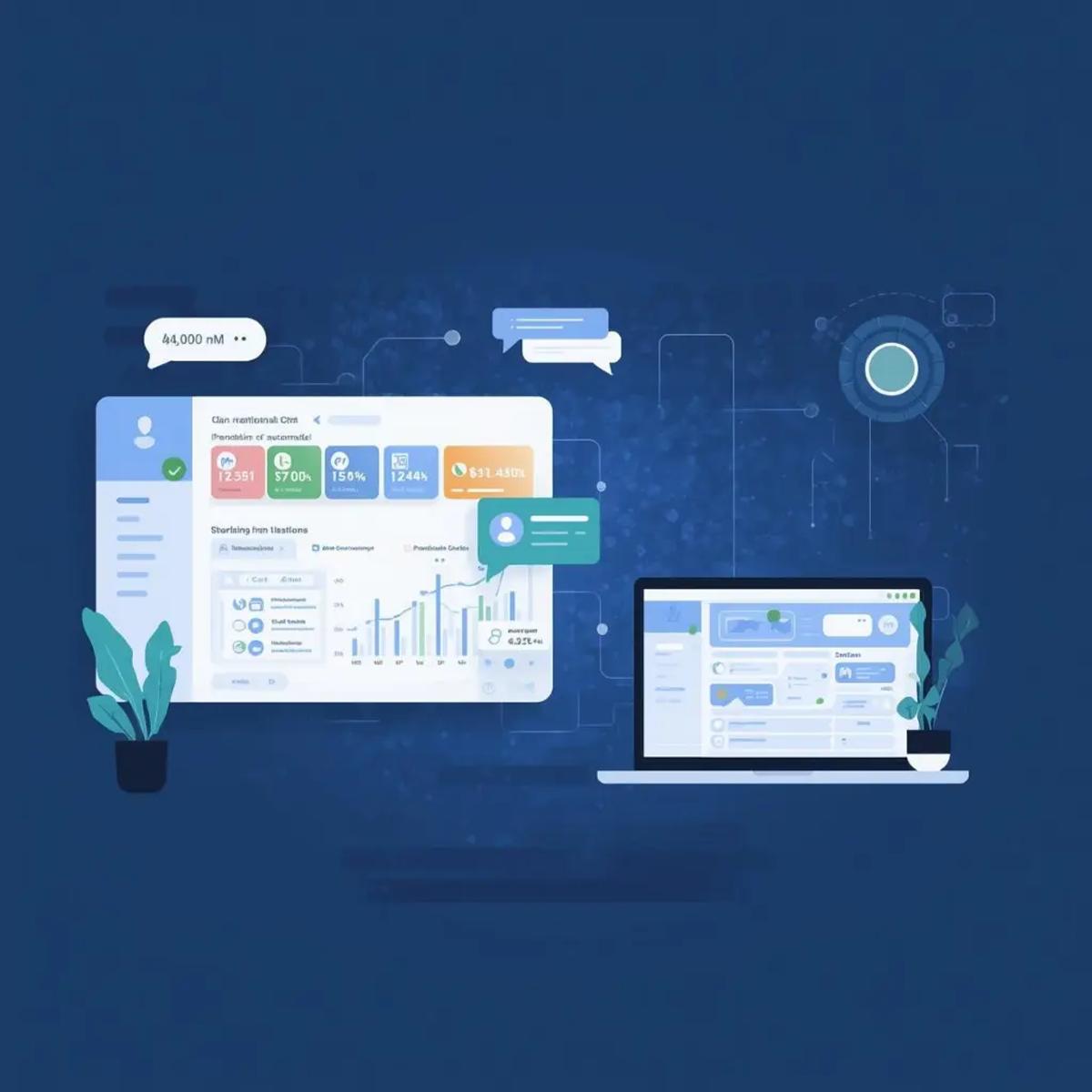
AI agents now qualify leads automatically. Workflows trigger actions across email, SMS, and LinkedIn. Systems make decisions without waiting for human clicks. Sales teams expect automation to think, not just execute steps.
And here’s the uncomfortable question:
Are traditional CRMs built for this world?
For many growing businesses, the answer is becoming clear. CRMs like HubSpot are not broken. They are just not built for an AI-first era.
Let’s unpack why.
Read more here about n8n Cloud Plans
The Traditional CRM Model: Record, Track, Report
CRMs were originally built for three core purposes.
First, to store contact information.
Second, to track deals and activity.
Third, to generate reports.
That model worked well when sales teams relied heavily on manual effort. Reps logged calls. They updated deal stages. They manually sent follow-ups. The CRM acted as the system of record.
HubSpot improved on this by adding marketing tools and automation features. It became more than a contact database. It became a marketing and sales platform.
But the foundation remained the same. CRMs are built to record and track human actions, not replace them.
That distinction matters more than ever.
AI-First Automation Works Differently
AI-first automation flips the model.
Instead of asking, “How do we track what sales reps are doing?” it asks, “How much of this work can the system do on its own?”
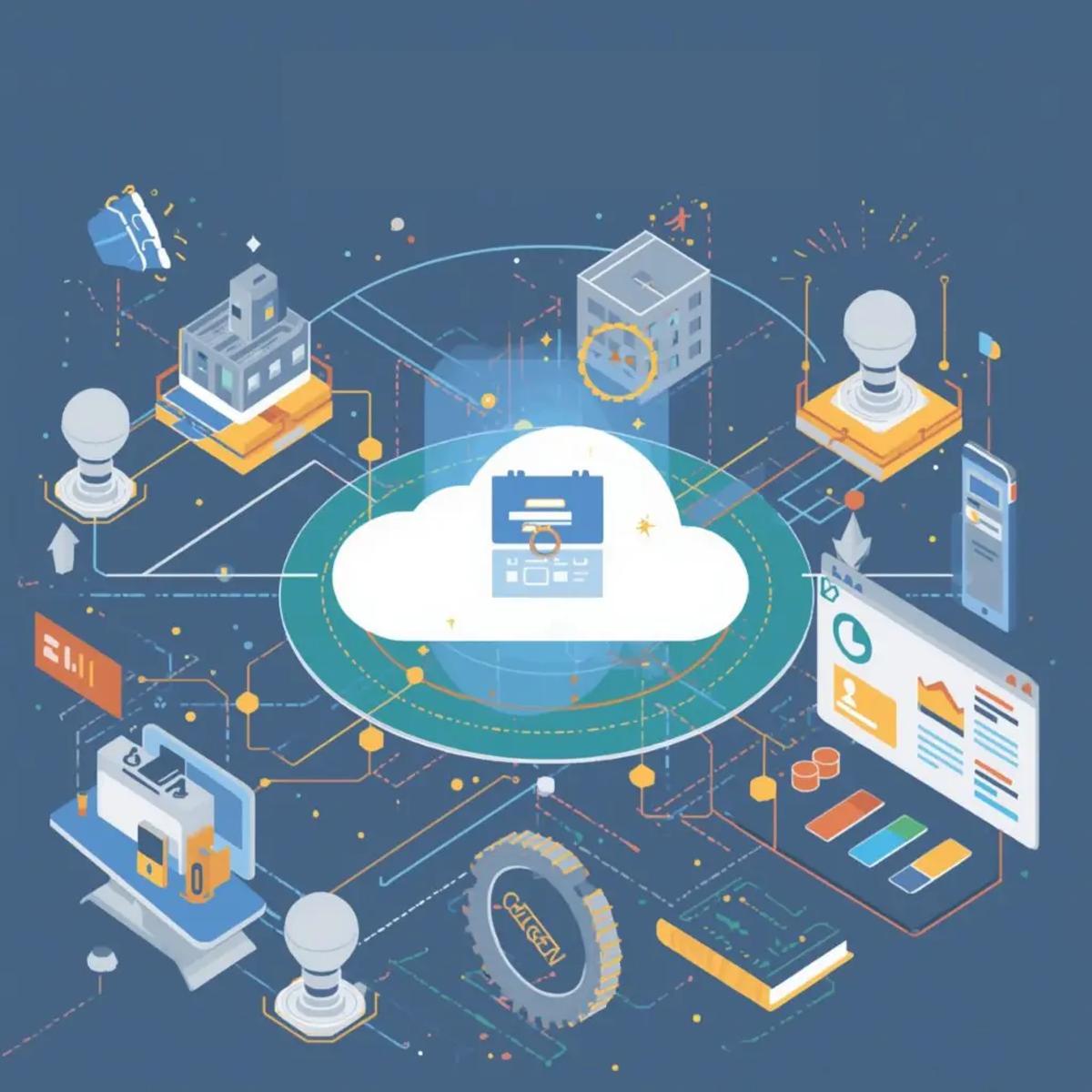
In an AI-first setup, an incoming lead does not just get logged. It gets analyzed. The system reads the message, identifies intent, qualifies the lead, assigns a priority level, and triggers the next action automatically.
If the lead is high intent, the system books a meeting link instantly. If the lead is unclear, it sends a clarifying message. If there is no response, it follows up across multiple channels.
The CRM in this setup becomes secondary. It stores outcomes. The AI system drives actions.
That is a completely different mindset.
HubSpot Automates Tasks. AI Systems Automate Thinking.
This is where the gap becomes obvious.
HubSpot can automate tasks. You can create workflows. You can set triggers. You can send sequences. But the logic is rule-based.
If X happens, do Y.
AI-first systems go further.
They evaluate context. They adjust the messaging tone. They make decisions based on patterns. They adapt to responses dynamically.
For example, imagine a lead responds with a question. A traditional CRM workflow might stop and assign the task to a sales rep. An AI-first system can draft a contextual reply, adjust based on prior conversation, and continue the interaction before a human even steps in.
That is not just automation. That is delegation.
CRMs were built for structured processes. AI-first systems are built for adaptive processes.
Read more here about The Real Cost of Self-Hosting n8n
Why CRMs Feel Heavy in an AI-Driven World
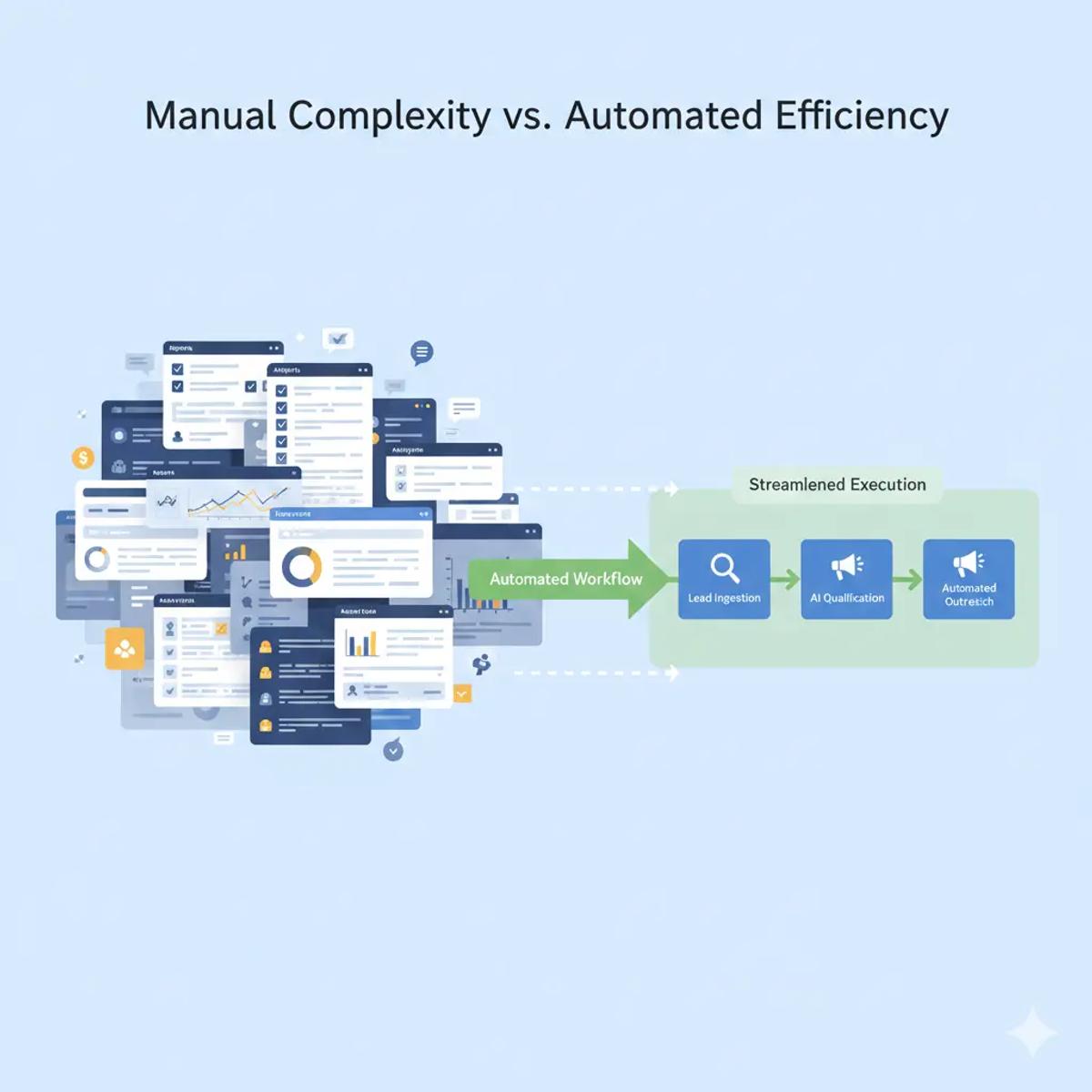
Many businesses today do not struggle with storing data. They struggle with execution.
They do not need more dashboards. They need more consistent follow-ups. They need faster lead response times. They need multi-channel outreach that does not depend on manual effort.
Traditional CRMs like HubSpot often become heavy because they prioritize reporting depth over execution speed.
You log activity.
You analyze reports.
You adjust strategy.
But what if the system could act faster than your team could analyze?
In an AI-first model, the goal is not to report on what happened yesterday. It is to trigger the right action immediately.
That difference changes how businesses think about their core tools.
Example: Inbound Lead Handling
Let’s walk through a practical example.
A potential customer fills out a form on your website at 9:30 pm.
In a traditional CRM setup, the lead gets stored. Maybe an email notification is sent. The sales rep sees it the next morning. They review the details, decide how to respond, and send a follow-up.
In an AI-first automation system, the lead is analyzed instantly. The message is categorized. If it shows strong buying intent, an email is sent within minutes, personalized based on the content of the form. A calendar link is provided. If there is no response, the system sends a follow-up automatically the next day.
The difference is speed and intelligence.
The CRM records the interaction. The AI system runs it.
Which one drives revenue faster?
Multi-Channel Is Not Native to Traditional CRMs
Modern sales and marketing is multi-channel.
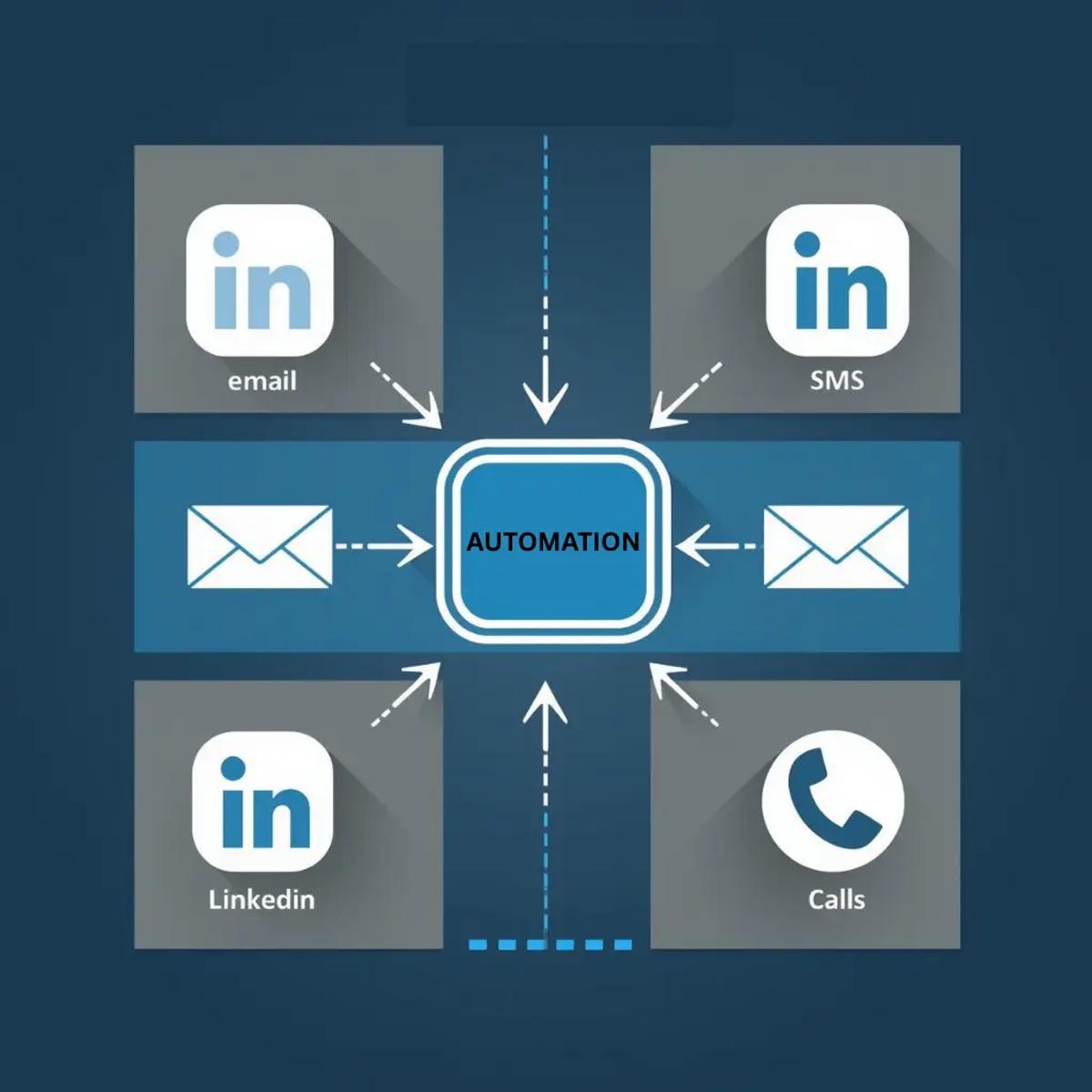
Email alone is no longer enough. Businesses use SMS, LinkedIn, voice calls, WhatsApp, and chat.
HubSpot can integrate with these channels. But they are often not native or seamless. You add integrations. You connect external tools. You build layered workflows.
In AI-first automation systems, multi-channel logic is often built into the design. A workflow can trigger email, then SMS, then LinkedIn outreach automatically based on behavior.
Instead of building everything inside the CRM, businesses are connecting lighter CRMs with flexible automation layers.
This reduces rigidity and increases speed.
Read more here about n8n Pricing in 2026
The Cost Structure Problem
Another reason CRMs are falling behind is the pricing structure.
As businesses scale, traditional CRM pricing grows with users and feature upgrades. More automation often means higher tiers. More complexity means higher cost.
AI-first automation stacks are often modular. You pay for the tools you use. You scale specific components instead of upgrading an entire platform.
For scaling startups and service businesses, this feels more aligned with growth.
Instead of paying for features you do not use, you invest in automation that directly increases output.
Founders Want Control, Not Just Software
Modern founders are more systems-aware than ever.
They understand APIs. They understand modular stacks. They understand that no single tool should own their entire process.
Traditional CRMs encourage centralization. AI-first systems encourage orchestration.
In an orchestration model, the CRM becomes a database layer. Automation tools manage logic. AI agents handle decision-making. Communication platforms execute outreach.
This gives businesses flexibility.
If one tool becomes expensive or limiting, it can be replaced without collapsing the entire system.
That is powerful.
This Is Not Anti-CRM. It Is Pro-Evolution.
Let’s be clear. CRMs like HubSpot are not useless. They are still valuable as systems of record.
But their role is changing.
Instead of being the brain of your operation, they are becoming the memory.
The intelligence layer is moving elsewhere.
Businesses that recognize this early gain an advantage. They build systems around automation and AI, with the CRM supporting the structure instead of controlling it.
What an AI-First Automation Stack Actually Looks Like
If traditional CRMs are becoming the memory layer, what does the new system look like?
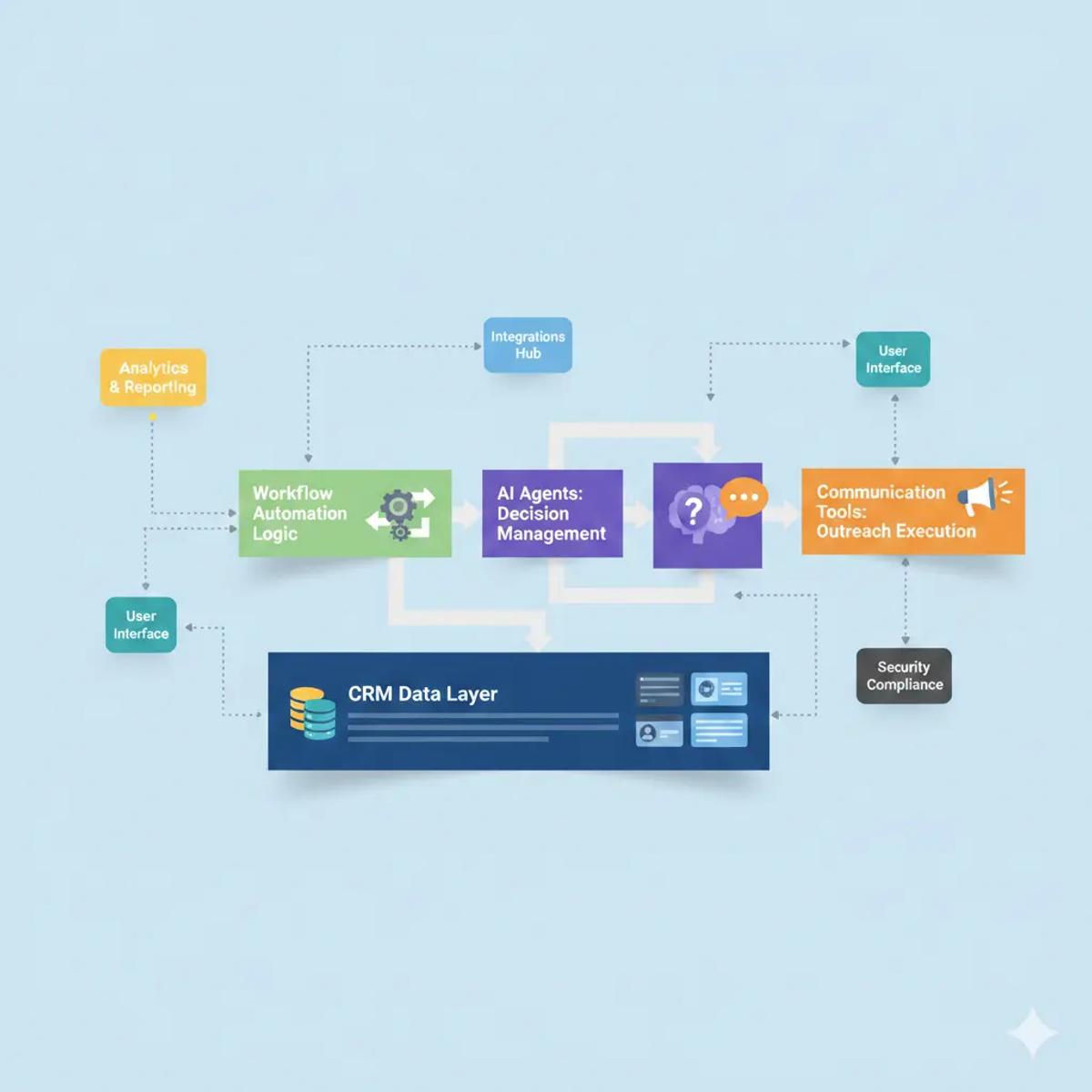
An AI-first automation stack is not one big platform. It is a connected system where each tool has a clear role.
The CRM stores contacts, deal stages, and history. That part stays simple.
On top of that, a workflow automation layer handles logic. This layer decides what should happen when something changes. It connects tools, moves data, and triggers actions.
Then comes the AI layer. This is where things get interesting. AI agents qualify leads, analyze conversations, draft responses, prioritize opportunities, and route tasks automatically.
Communication tools like email, SMS, LinkedIn, or calling systems execute the outreach.
Instead of one platform trying to do everything, the system is modular. Each part focuses on what it does best.
This design feels lighter and more adaptable, especially as business needs evolve.
Read more here about n8n Licensing 101
When HubSpot Still Makes Sense
It is important to stay balanced.
HubSpot still works well for certain types of companies. Large marketing teams that rely heavily on inbound funnels, deep reporting, and centralized campaign tracking can benefit from its structure. Enterprises with complex attribution requirements may still prefer an all-in-one platform.
If your team values structured reporting and standardized processes over experimental automation, HubSpot can still serve you well.
The problem is not that HubSpot is bad. The problem is when businesses expect it to behave like an AI-native system.
When expectations shift toward autonomous workflows, traditional CRM logic starts to feel restrictive.
When It Clearly Does Not Make Sense
There are clear situations where AI-first automation makes more sense.
If your business relies heavily on outbound sales and multi-channel outreach, you need flexibility. If you want AI agents to handle lead qualification before a human ever touches the pipeline, you need adaptability. If you want to test new workflows quickly without upgrading pricing tiers, you need modular control.
Service businesses, agencies, and lean startups often fall into this category. They prioritize speed and execution over deep reporting.
In these environments, traditional CRMs can feel heavy and slow to adjust.
Real-World Scenario: Sales Team Scaling
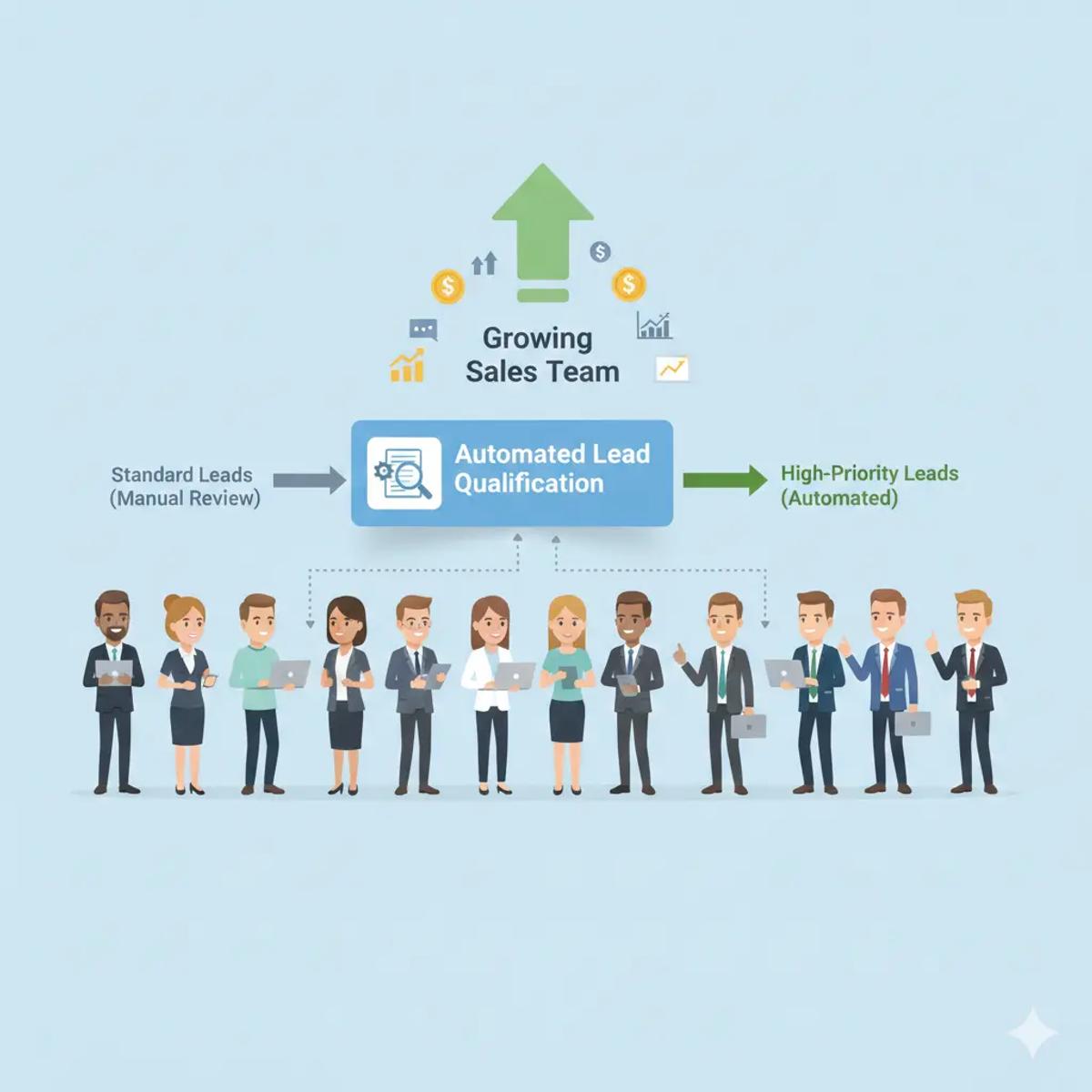
Imagine you are scaling your sales team from five reps to fifteen.
In a traditional CRM setup, each rep logs activity, updates stages, and manually follows up. Automation handles reminders and basic sequences, but most decisions remain human-driven.
As the team grows, management spends more time reviewing reports and less time optimizing speed. Automation complexity increases. Costs increase. Coordination becomes harder.
Now imagine an AI-first setup.
Leads are pre-qualified automatically. High-intent prospects are routed instantly. Follow-ups are triggered without waiting for manual steps. Reps focus only on conversations that matter.
The CRM still tracks outcomes, but it is not the bottleneck.
The difference is not subtle. It is structural.
Why AI-First Systems Move Faster
Speed is one of the biggest competitive advantages in modern sales.
Research consistently shows that responding to inbound leads quickly increases conversion rates significantly. Waiting hours instead of minutes can dramatically reduce opportunity.
Traditional CRM workflows depend on people noticing notifications and acting on them.
AI-first systems do not wait.
They respond immediately. They adapt messaging based on context. They escalate when necessary.
In a world where attention spans are short and competition is high, speed matters.
Read more here about n8n Enterprise Pricing
The Flexibility Advantage
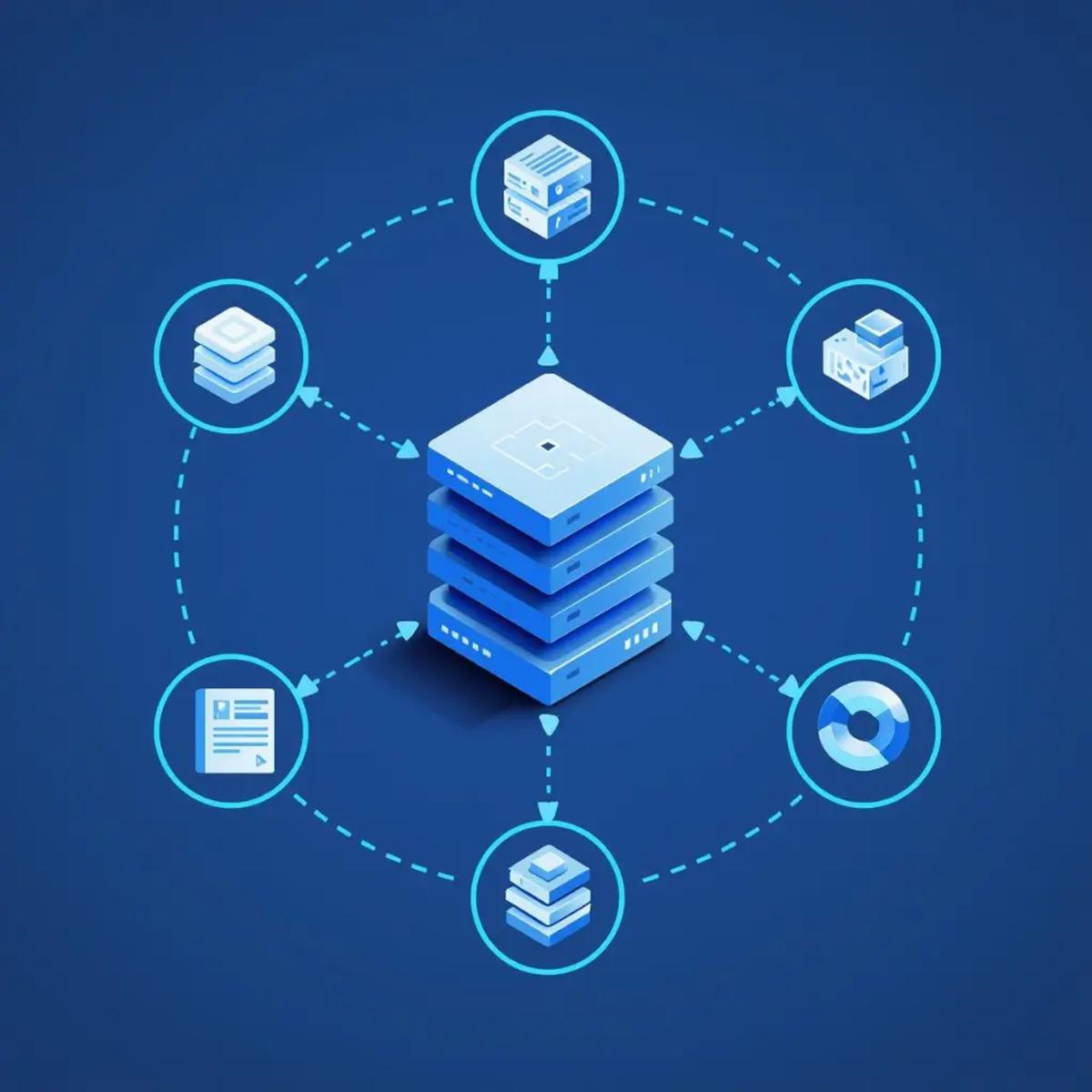
Another reason CRMs are falling behind is flexibility.
Business processes change constantly. New channels emerge. New customer expectations develop. Messaging strategies evolve.
Traditional CRMs are structured environments. Customization is possible, but it often requires upgrades or complex configuration.
AI-first stacks are built for iteration. You can adjust workflows quickly. You can plug in new communication channels. You can test new logic without rebuilding the entire system.
This adaptability becomes more valuable as markets move faster.
The Cost Conversation Is Changing
Pricing models also influence this shift.
Traditional CRMs often scale pricing based on users and feature tiers. As teams grow, expenses rise. Advanced automation usually requires higher plans.
AI-first stacks spread cost across components. You scale the parts that need scaling. You invest in automation that directly increases output instead of upgrading an entire platform.
For growing businesses, this feels more aligned with revenue growth.
It becomes easier to connect cost to performance.
The Mental Shift Founders Are Making

Perhaps the most important change is in mindset.
Founders are beginning to see CRMs not as the center of their operation, but as one component in a larger system.
They are thinking in terms of architecture rather than features.
Instead of asking, “What can this CRM do?” they are asking, “How should our system operate?”
That question leads to different decisions.
When you design around automation and intelligence first, the CRM becomes a supporting tool rather than the controlling platform.
Transitioning Without Chaos
One concern many teams have is transition risk. How do you move toward AI-first automation without breaking everything?
The answer is gradual layering.
You do not need to rip out your CRM overnight. You can start by adding an automation layer on top. Introduce AI agents for specific tasks like lead qualification or follow-ups. Keep the CRM as the system of record while shifting execution outward.
Over time, you may find that the CRM’s role naturally shrinks. Or you may keep it simple and stable while evolving everything around it.
The key is intentional design rather than reactive upgrades.
The Bigger Picture
This is not about HubSpot losing relevance overnight. It is about the broader evolution of business systems.
CRMs were designed for a world where humans performed most actions and software recorded them.
AI-first automation is designed for a world where software performs many actions and humans oversee them.
That is a fundamental shift.
Businesses that understand this shift early position themselves differently. They design systems that are lighter, faster, and more adaptable.
They do not abandon CRMs. They redefine their role.
Final Thoughts
CRMs like HubSpot are not disappearing. But they are no longer the brain of modern sales systems.
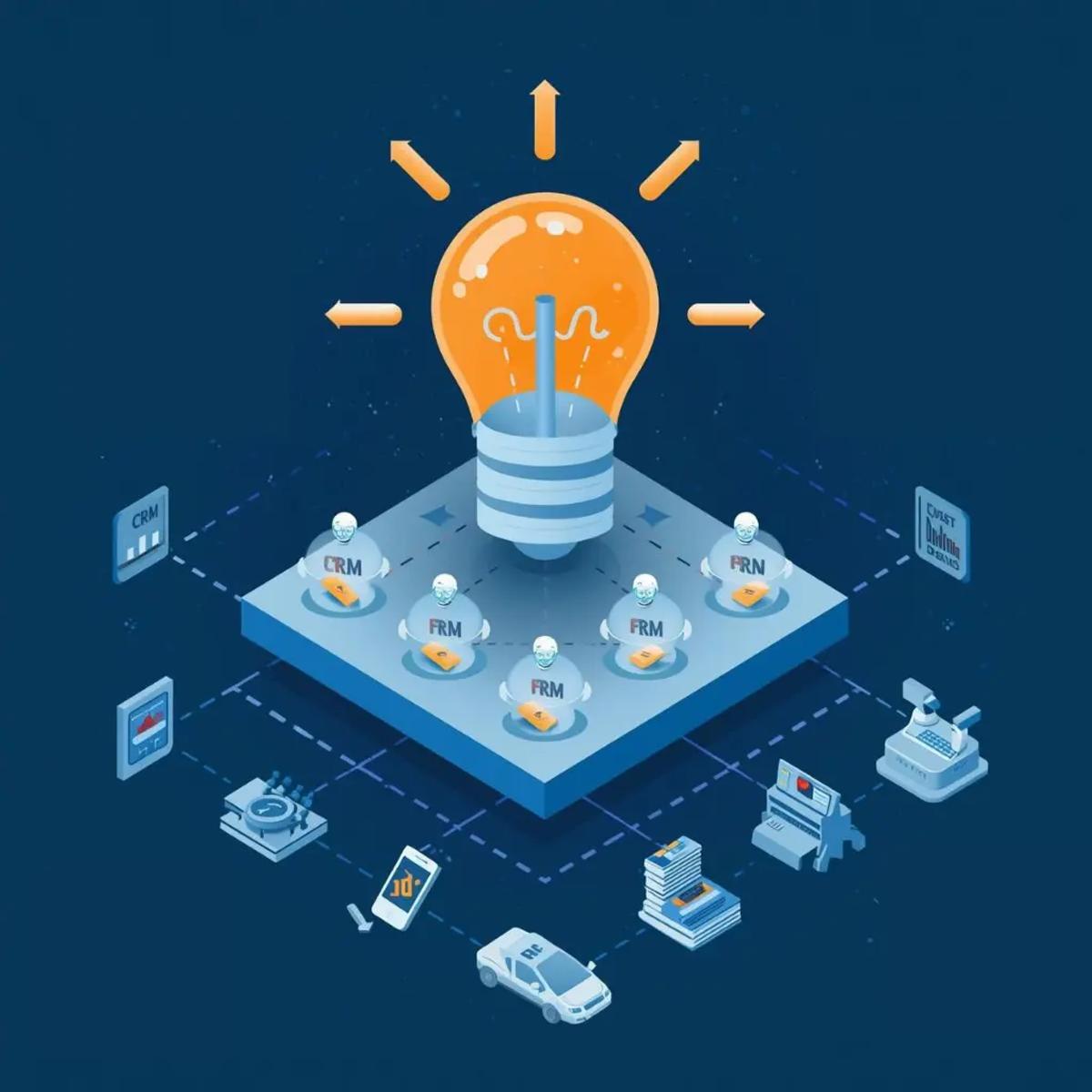
AI-first automation is moving intelligence and execution outside the CRM. It is changing how teams respond, follow up, and scale.
If your business is growing and automation is becoming central to your strategy, it may be time to rethink the architecture of your system.
Not because your CRM is broken.
But because the world it was built for is changing.
And the companies that adapt their systems early often gain the biggest advantage.