Most people on LinkedIn want to build a personal brand. They want visibility, recognition, and opportunities to come their way. Yet, only a small number actually succeed.
This is not because they lack experience or insight. It is because they do not engage consistently.
LinkedIn rewards people who show up every day. It rewards likes, reactions, comments, and presence. Silent scrolling does nothing. Posting once in a while also does very little. If you are not regularly interacting with other people’s content, LinkedIn simply does not push your profile to others.
This is why many professionals feel invisible on LinkedIn even after sharing good posts. They are not inactive, but they are not consistently engaging either.
Busy schedules make this worse. Founders, CEOs, recruiters, and professionals juggle meetings, work, and life. Daily engagement becomes something they plan to do but rarely maintain for long.
This is where interest in tools like a LinkedIn auto liker comes from.
Read more here about n8n Licensing 101
Why LinkedIn Engagement Is Important?
LinkedIn is not just a publishing platform. It is an engagement-driven network.
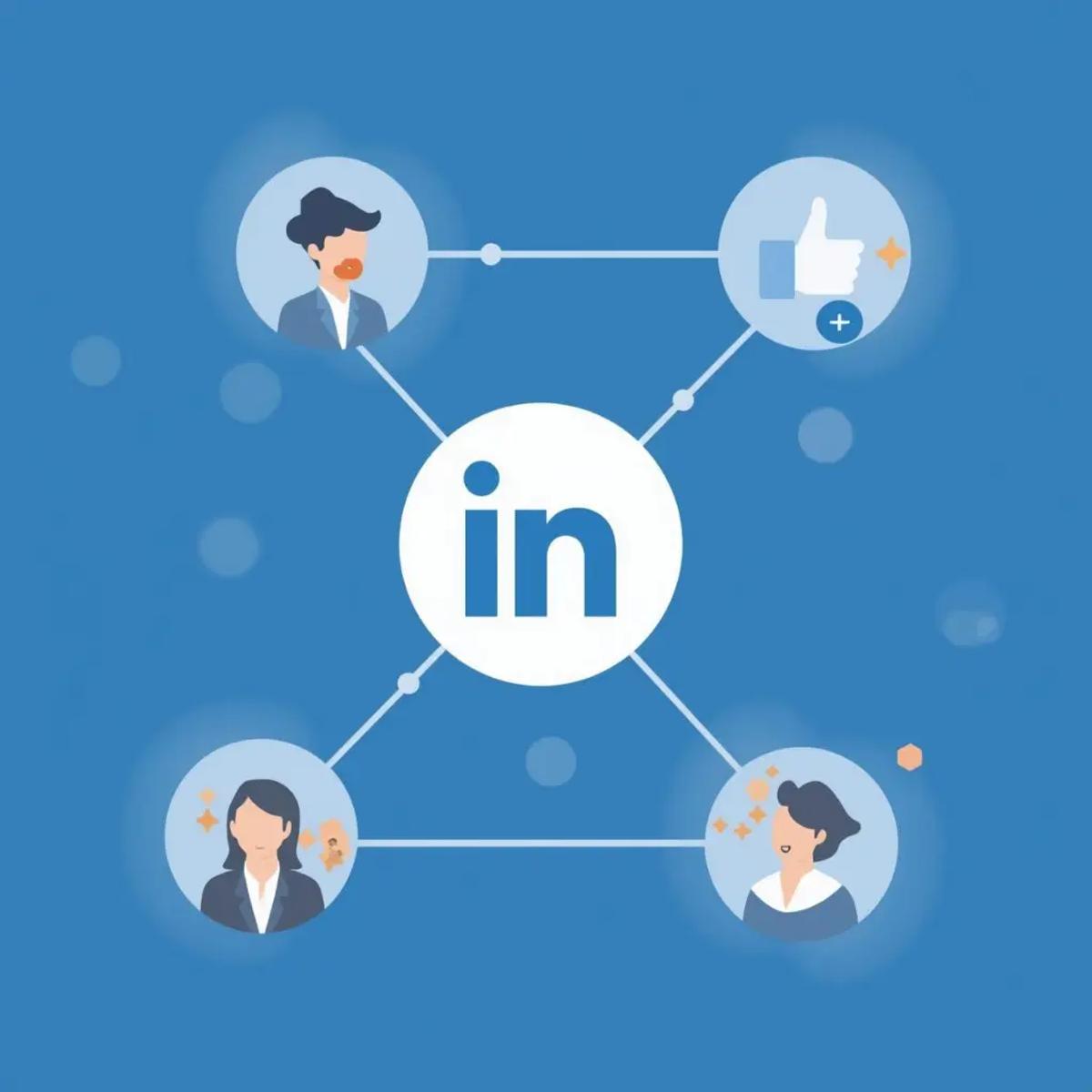
The algorithm does not reward people who only post and leave. It rewards those who interact with others, especially within their relevant network. Likes and reactions show activity, and when they happen repeatedly, they signal relevance.
When you regularly like posts from the same group of people, LinkedIn starts showing your profile and content to them more often. Over time, this creates familiarity. Familiarity leads to recognition. Recognition leads to reach.
Without engagement, even great content struggles.
This is why engagement is not optional for personal branding. It is foundational.
The Real Problem Behind Low Engagement
Most people do not fail at LinkedIn because they do not care. They fail because consistency is hard.
Building a personal brand on LinkedIn requires three things. Consistent engagement with the right audience, daily activity over long periods, and manual effort that most busy professionals cannot sustain.
People usually fail because they forget to engage daily, they engage randomly instead of focusing on their ideal audience, or they stop after a few weeks because it feels like extra work.
As a result, LinkedIn does not recognize them as active participants. Their reach stays limited. Their name does not show up repeatedly in the feeds that matter.
This is not a motivation problem. It is a system problem.
What Is a LinkedIn Auto Liker?
A LinkedIn auto liker is a tool that automatically likes or reacts to posts on LinkedIn on your behalf.
Instead of manually scrolling your feed every day and engaging with posts, the tool performs these actions automatically based on rules you define. These rules usually include which profiles to engage with, how often to engage, and what type of posts to like.
An auto liker LinkedIn tool is not about random activity. At least, it should not be. When used properly, it focuses on consistent engagement with specific people who matter to your personal brand.
In simple terms, it helps you stay active even when you are busy.
Read more here about n8n Enterprise Pricing
What Auto Like LinkedIn Tools Are Not
There is a lot of misunderstanding around automation.
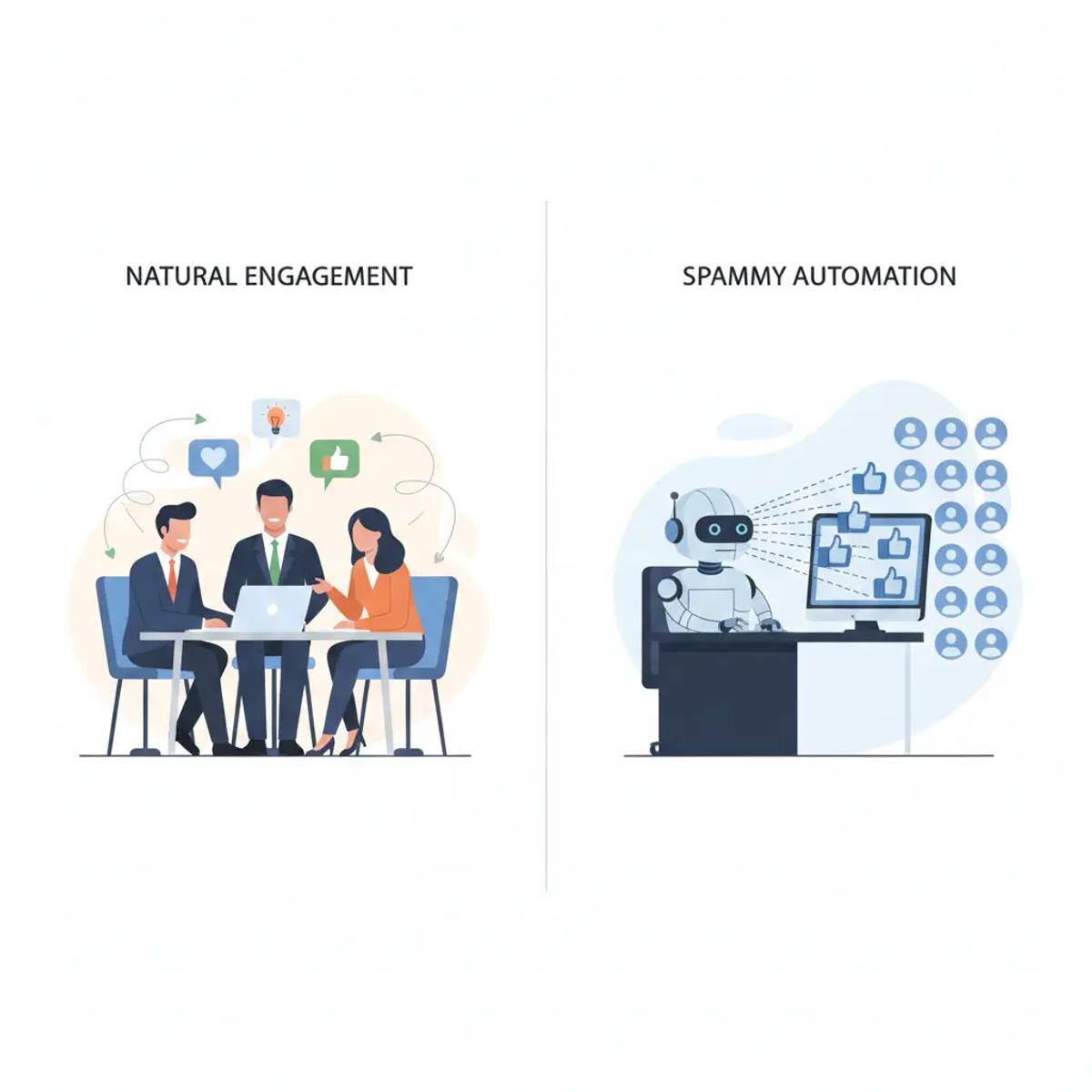
Auto-like tools are not meant to spam LinkedIn. They are not meant to like thousands of posts a day. They are not meant to replace genuine interaction completely.
When automation is used mindlessly, it backfires. LinkedIn notices unnatural behavior, and accounts get restricted.
A responsible LinkedIn auto like system works in the background and behaves like a human would if they had the time to engage daily.
How Auto-Like LinkedIn Posts Actually Works
To understand safety and value, it helps to understand how auto-like systems actually work.
Auto Like LinkedIn Feed
Most systems monitor your LinkedIn feed or a predefined list of profiles. They check for new posts at regular intervals. Instead of liking everything, they filter content based on relevance and timing.
This ensures engagement happens naturally rather than all at once.
Auto Like LinkedIn Posts
When a new post is detected, the system performs a like or reaction on your behalf. The action is spaced out and randomized to avoid patterns. This makes the behavior look human and reduces risk.
LinkedIn Auto Post Like for Specific Profiles
Some systems allow you to target specific LinkedIn profiles. This means you can auto-like posts from your clients, prospects, or ideal customer profiles only. This is far more effective than liking random content from your feed.
Why People Look for LinkedIn Auto Liker Tools
People turn to LinkedIn auto liker tools for very practical reasons.
First, they save time. Daily engagement sounds simple, but it takes effort. Automation removes that friction.
Second, they bring consistency. LinkedIn rewards steady activity, not bursts of motivation.
Third, they improve visibility. When you consistently engage with the same group of people, your name starts appearing repeatedly in their feed.
Fourth, they help with early engagement. Being one of the first to like a post increases the chance of being noticed.
For busy professionals, auto-like tools act as support systems, not shortcuts.
Read more here about The Real Cost of Self-Hosting n8n
LinkedIn Auto Like and Personal Branding
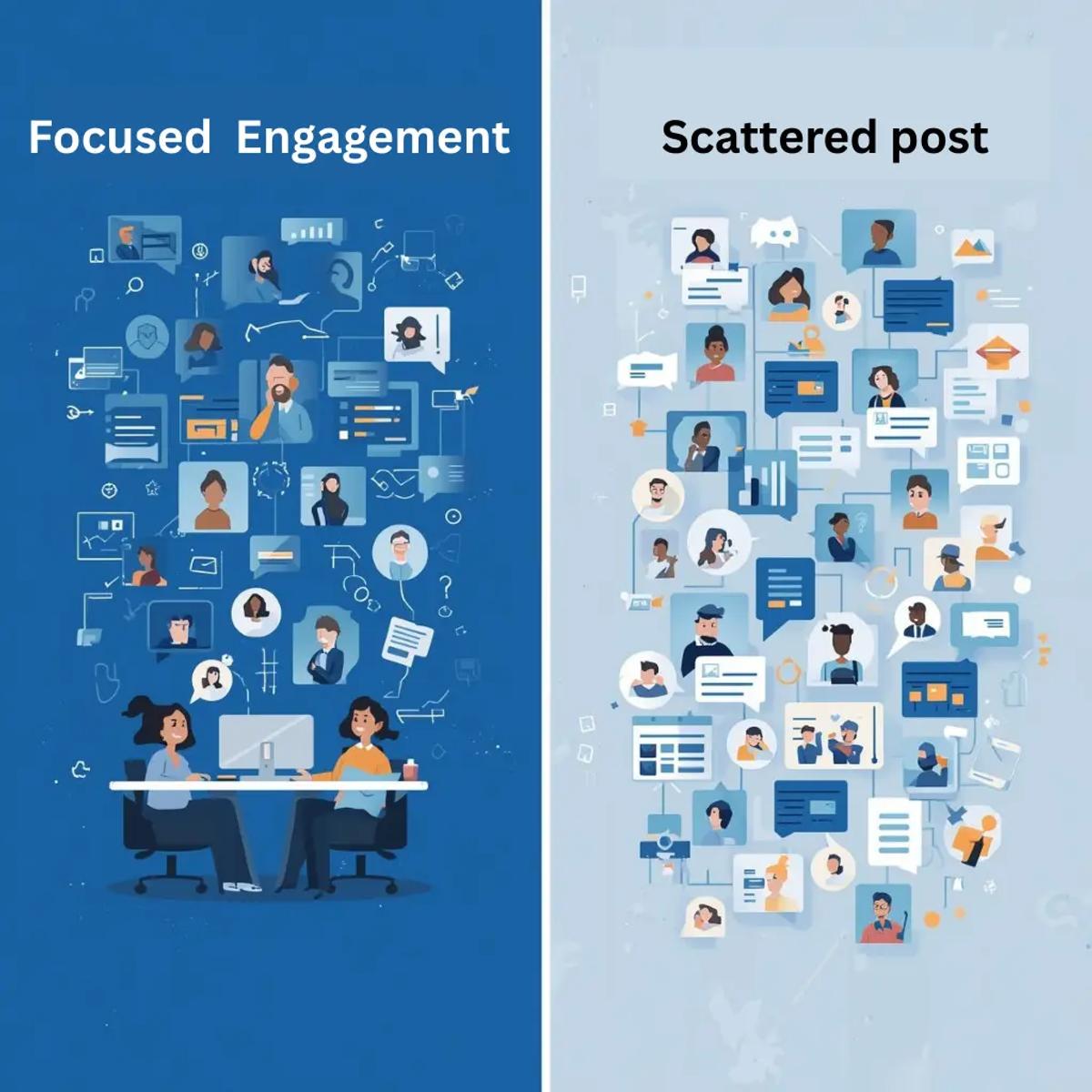
Personal branding on LinkedIn is not built by posting alone. It is built by showing up in other people’s conversations.
When you consistently like and react to posts from the right audience, LinkedIn increases your profile visibility. Over time, your own posts get higher reach because the algorithm already sees you as active and relevant.
People begin to recognize your name before you ever message them. That recognition lowers barriers and builds trust.
Auto-like tools make this consistency possible without draining your time.
Is Using a LinkedIn Auto Liker Safe?
This is the most important question.
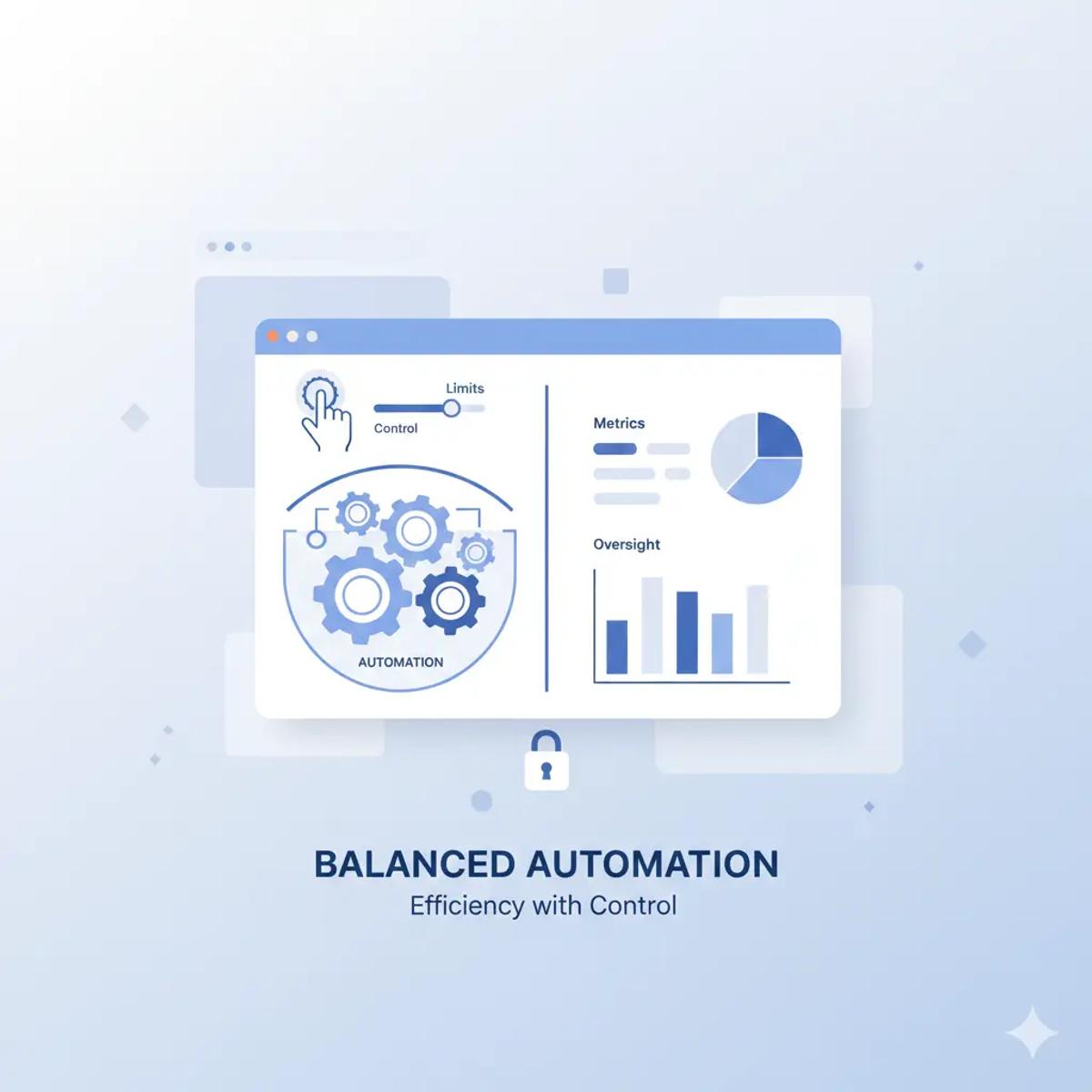
Using a LinkedIn auto liker can be safe, but only if it is done responsibly.
LinkedIn does not allow aggressive automation. Tools that like hundreds of posts per hour, operate without limits, or behave unnaturally can put accounts at risk.
Safe auto-like usage follows a few simple principles. Engagement should stay within normal daily limits. Timing should be random, not fixed. Activity should focus on relevant profiles, not mass engagement.
Automation should support human behavior, not replace it.
What Makes Auto Like Risky
Auto-like becomes risky when people chase volume instead of relevance.
Liking too many posts too quickly, engaging with irrelevant content, or running automation nonstop without oversight creates unnatural patterns. These patterns are easy for platforms to detect.
Another risk comes from low-quality tools that rely on unsafe browser extensions or scraping methods. These tools often lack proper controls and safeguards.
The risk is not automation itself. The risk is irresponsible automation.
Read more here about n8n Cloud Plans
Free LinkedIn Auto Liker Tools: What to Expect
Many people search for a LinkedIn auto liker free or a free LinkedIn auto liker option.
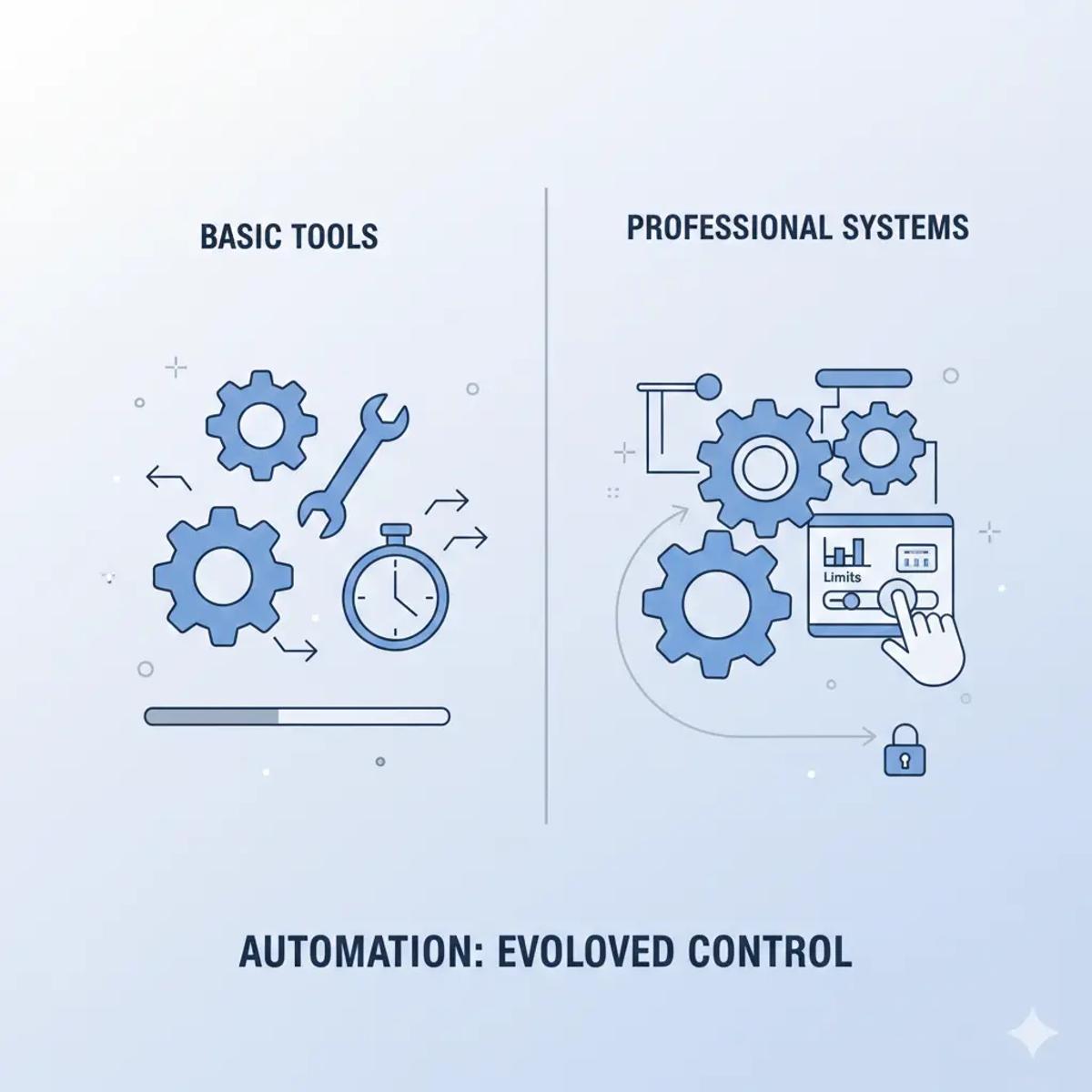
Free tools usually offer very limited functionality. They may allow a small number of likes per day or basic automation without customization. These tools help with testing, but they involve certain compromises.
Free tools often lack safety features, targeting options, and proper controls. Some rely on outdated or unsafe methods. Others stop working as LinkedIn updates its systems.
The biggest limitation of free tools is a lack of control. If you cannot manage limits, timing, and targeting, you increase risk.
Free tools work well for learning, but serious personal branding needs stronger reliability.
Best Practices for Using Auto Like on LinkedIn
Using auto like responsibly makes all the difference.
Daily engagement should stay within realistic limits. Timing should be random and spaced out. Engagement should focus on people who are actually relevant to your goals.
Automation should complement manual activity. You should still post, comment, and reply as a human. Auto like is meant to support consistency, not replace authenticity.
Who Auto Like Is Really For
Auto-like tools work best for founders, creators, recruiters, consultants, and professionals who are serious about building a long-term personal brand on LinkedIn.
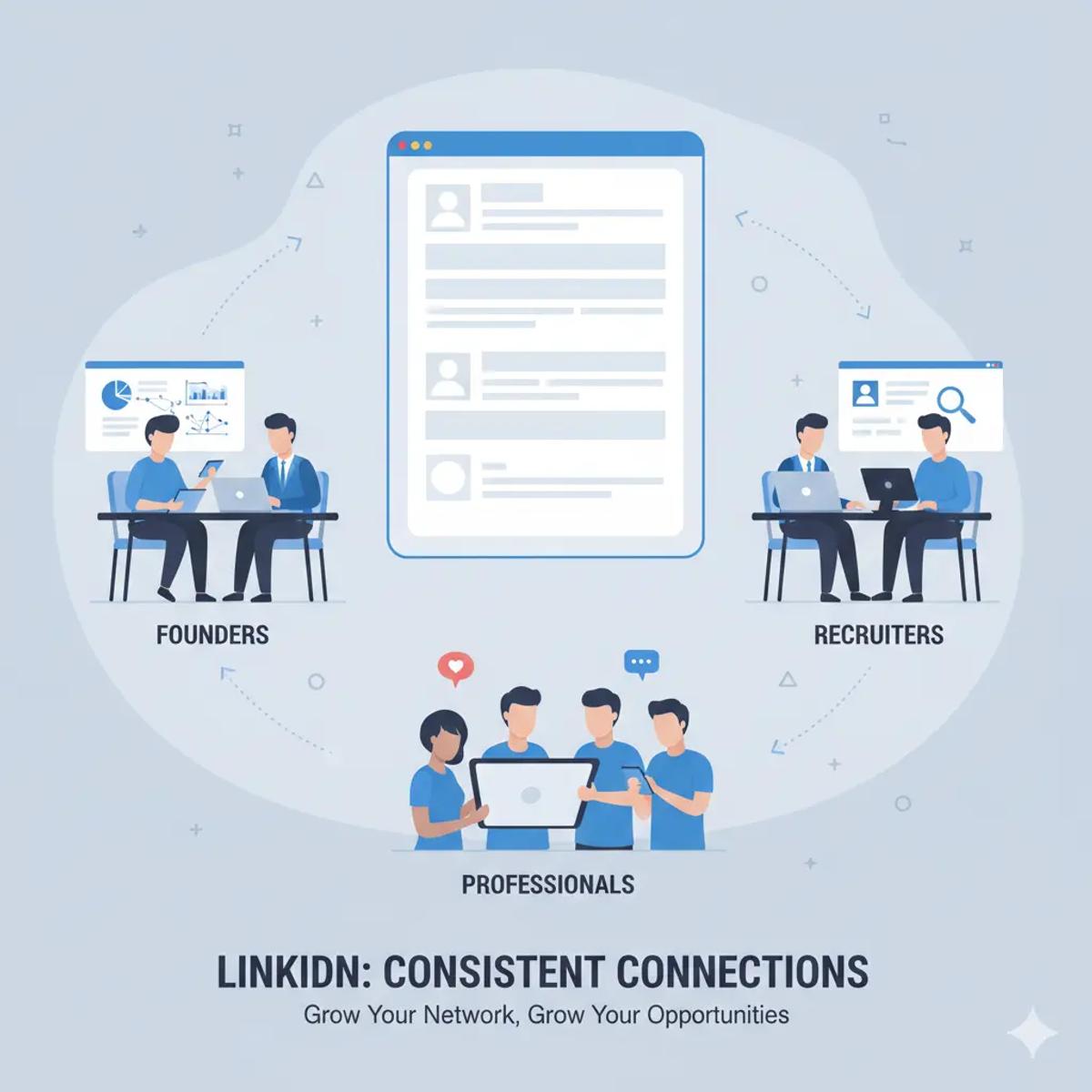
These users understand that engagement matters, but often struggle to show up consistently every day due to busy schedules. Auto like becomes useful when you already know your ideal audience and want to stay visible in front of them without relying on daily manual effort.
At the same time, auto likers are not meant for spammers, fake profiles, or anyone trying to game the system with mass engagement. Using automation without relevance or intent can damage trust and reduce credibility.
Automation should always support real relationships and meaningful visibility, not create fake growth or short-term noise.
Read more here about n8n Pricing in 2026
A Responsible Approach to LinkedIn Auto Like
We built our product to solve this problem responsibly.
Users get access to a dashboard where they can add LinkedIn profile links of their clients, prospects, or ideal customer profiles. They enable automated engagement only for those profiles.
The system then likes and reacts to posts from those profiles automatically, on their behalf. Engagement stays targeted, consistent, and human-like.
All engagement happens in the background while users focus on their core work.
This is not about growth hacks. It is about removing friction from something LinkedIn already rewards.
Understanding LinkedIn Limits
One of the biggest concerns people have about using a LinkedIn auto liker is the limits. LinkedIn does not publicly share exact numbers, but it is clear that the platform expects behavior to look human.
Humans do not like hundreds of posts in a short time. They scroll, pause, engage, and leave. Safe auto-like systems are designed to mimic this behavior.
This means actions are spread throughout the day. The number of likes stays within reasonable limits. There is variation in timing, so actions do not follow a predictable pattern.
When automation follows these principles, it becomes part of normal activity rather than standing out.
Timing Matters More Than Volume
Many people think the goal of auto liking is to like as many posts as possible. This mindset creates problems.
LinkedIn does not reward volume alone. It rewards relevance and consistency. Liking fifty relevant posts over a day is far more effective than liking two hundred posts in an hour.
Random timing makes engagement feel natural. It also reduces risk because there is no clear pattern for LinkedIn to flag. Good auto-like systems understand this and prioritize timing over scale.
Auto Like LinkedIn Feed vs Targeted Engagement
There is a big difference between liking random posts from your feed and liking posts from specific people.
Auto-liking your entire LinkedIn feed can quickly become noisy. Your engagement gets spread across people who may not matter to your goals. This weakens the impact of your activity.
Targeted engagement is far more effective. When you focus on a defined group such as prospects, clients, or industry peers, your engagement compounds. LinkedIn starts associating your profile with those people.
This is why most professionals see better results when auto-like is applied to selected profiles rather than the full feed.
How Auto Like Supports Long-Term Visibility
LinkedIn visibility does not come from one post or one week of activity. It comes from repeated signals over time.
When you consistently like and react to posts from the same audience, your profile keeps appearing in their notifications and feeds. Over time, this creates familiarity. Familiarity leads to trust. Trust leads to conversations.
Your own posts also benefit. When LinkedIn already sees you as active and connected to a group, it is more likely to show your content to that group.
Auto-like does not replace content creation. It strengthens the environment in which your content performs.
Common Mistakes People Make With Auto Like
Many people get poor results from auto-like tools, not because the idea is wrong, but because the execution is wrong.
One common mistake is engaging with everyone instead of focusing on an ideal audience. Another is setting aggressive limits in an attempt to grow faster. Some people rely entirely on automation and stop engaging manually altogether.
These mistakes make automation feel like noise rather than real support. Auto like works best when it supports a clear personal branding strategy.
Combining Manual Engagement With Automation
The strongest LinkedIn profiles combine automation with human effort.
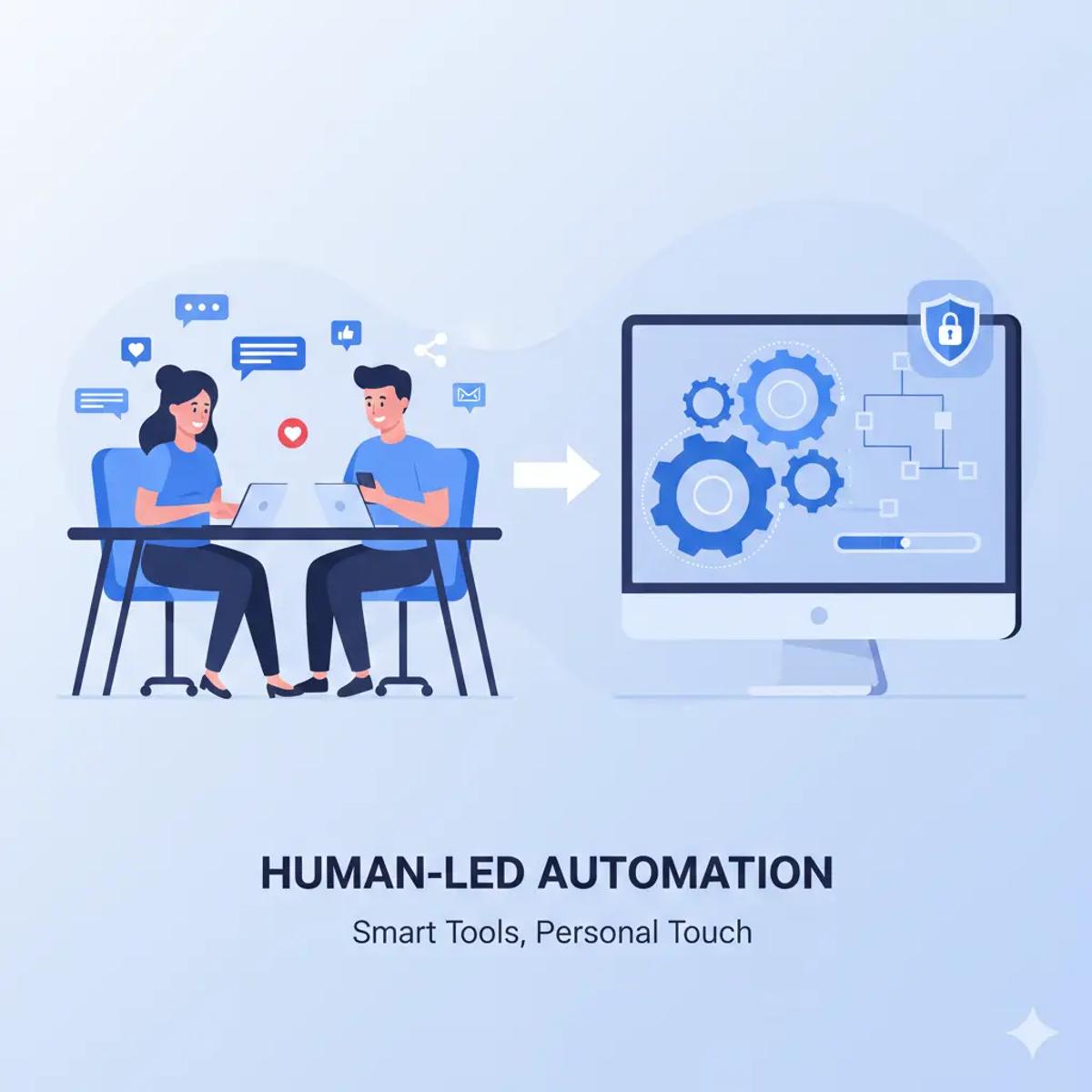
Auto like handles the background activity. Humans handle comments, replies, and meaningful conversations. This balance keeps engagement natural and effective.
When someone replies to your comment or messages you, that interaction should always be human. Automation should never take over conversations that require judgment or empathy.
Used this way, auto-like becomes a support system rather than a replacement.
Ethical Use of LinkedIn Auto Like Tools
There is also an ethical side to automation.
Responsible use means respecting people’s content and the platform itself. Auto liking should not be deceptive. It should not be used to fake interest or manipulate engagement.
The goal is to participate consistently, not artificially inflate numbers. When automation aligns with a genuine interest in your audience, it adds value rather than noise.
Ethical automation builds trust instead of eroding it.
How Responsible Automation Fits Into Personal Branding
Personal branding is about being present, not being loud.
When people repeatedly see your name engaging thoughtfully, they remember you. When they see your posts later, they are more likely to read, react, and respond.
Auto like helps maintain this presence even on days when you are busy. It keeps your profile active without demanding constant attention.
This is especially useful for founders, leaders, and professionals who want to stay visible without living on LinkedIn.
Positioning Automation the Right Way
Automation should never feel aggressive or pushy. It should feel invisible.
The best automation tools are the ones people forget about because they simply work in the background. They do not flood feeds. They do not create spam. They quietly support consistency.
This is the mindset behind responsible LinkedIn auto-like systems. They exist to remove friction, not to exploit the platform.
Final Thoughts